Scissors
Cutting tasks in workshops, maintenance teams, packaging lines, and field service work often look simple until the material changes. Soft wire, cardboard, rubber, sheet metal, cable insulation, plastic pipe, and garden stems all require different blade shapes, leverage, and handling. This is why a dedicated Scissors category matters for professional buyers who need practical cutting tools rather than a one-size-fits-all solution.
In industrial and technical environments, the right scissors or shears help improve cut quality, reduce hand fatigue, and support safer day-to-day work. This collection brings together utility scissors, aviation snips, electricians scissors, pruning shears, and pipe cutters suited to a wide range of assembly and maintenance applications.
Built for different materials and cutting conditions
Not all cutting tools work the same way. General-purpose snips are useful for mixed workshop materials, while aviation snips are designed for more controlled cutting on thin metal sheet. Electricians scissors focus on cable-related work, and pruning shears are shaped for cleaner cuts on stems and branches.
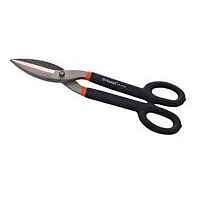
Within this category, examples such as the STANLEY 14-556-22 All Purpose Snips and Proskit SR-330 All Purpose Snip show the value of versatile hand tools for everyday tasks. For more specialized work, the STANLEY 14-563 Straight Cut Aviation Snip and STANLEY 14-564 Right Curve Compound Action Aviation Snips are better aligned with directional cutting requirements on sheet material.
Common tool types in the category
A practical way to choose is to start from the material and the cut path. General-use scissors and shears are suited to softer materials and routine bench work. Aviation snips are preferred when the job involves straight or curved cuts in thin metal. Pipe cutters are intended for cleaner cuts on plastic tubing, while pruning shears are meant for plant maintenance rather than workshop sheet materials.
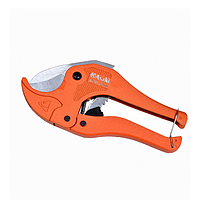
Products in this range illustrate that variety clearly. SATA 93106 Multi-use Scissors and SATA 93126 Heavy-Duty Practical Shears fit general cutting needs, while SATA 03131 Electricians Scissors are more relevant to cable preparation and electrical service work. For plastic pipe applications, the TOPTUL SEAB4224 Plastic Pipe Cutter is part of the broader cutting-tool ecosystem represented in this category.
How to select the right scissors for technical work
The first selection factor is material compatibility. Soft materials such as cardboard, leather, rubber, and light plastics can often be handled by multi-purpose scissors, but sheet metal or wire mesh may require stronger blade geometry and higher leverage. If the task includes thin steel or aluminum sheet, aviation snips or reinforced shears are usually the better option.
The second factor is cut direction and control. Straight cuts are easier with tools like the STANLEY 14-563-22 Straight Cut Aviation Snips, while curved layouts are more manageable with right-curve designs such as the STANLEY 14-564. For repetitive use, buyers should also look at handle comfort, grip stability, spring-assisted action, and overall tool length, since these directly affect operator fatigue and consistency.
Finally, consider the working environment. Maintenance teams may prefer compact, multi-role tools that travel easily in service kits, while production or fabrication users often need task-specific cutters. If your workflow also includes fastening and disassembly, related hand tools such as a socket wrench set may be useful alongside cutting tools in the same work area.
Representative products and use cases
Several products in this category highlight the different use scenarios that buyers typically compare. The STANLEY 14-556-22 All Purpose Snips are suitable for mixed material cutting where a compact, durable hand tool is needed. The Proskit SR-330 All Purpose Snip is also oriented toward varied materials such as cardboard, rubber, PVC, and thin non-ferrous sheet, making it relevant for electronics benches, packaging work, and light fabrication.
For sheet metal applications, the STANLEY aviation snip range is a more targeted choice. Straight-cut and curve-cut designs support layout trimming, ducting work, and controlled cuts in thin metal sections. Meanwhile, the TOPTUL SBCH0808 Multi-Purpose Stainless Shears extend use into wire, cable, mesh, plastics, and leather, offering a flexible option for maintenance teams that work across several material types.
Outside workshop cutting, pruning models such as STANLEY 14-302 and STANLEY 14-302-23 Pruning Shears are better suited to facility upkeep or landscape-related tasks. This difference is important in B2B purchasing because choosing by application prevents misuse and helps maintain blade life.
Leading brands available in the range
This category includes products from established hand tool brands used widely in technical environments. STANLEY appears prominently with all-purpose snips, aviation snips, and pruning shears, covering both workshop and general maintenance tasks. SATA adds multi-use scissors, heavy-duty shears, and electricians scissors that fit repair, installation, and service applications.
Proskit is a relevant option when the work includes lighter-duty technical materials often seen in electronics, cable handling, or bench assembly. TOPTUL also contributes practical cutting tools for users who need plastic pipe cutting or multi-purpose stainless shears. The available mix helps buyers compare tool form, intended use, and handling style without narrowing the choice to a single brand approach.
Where scissors fit in a broader tool setup
Scissors and shears are rarely used in isolation. In many assembly, repair, and maintenance tasks, they sit alongside striking tools, fastening tools, and compact service kits. For example, after cutting cable ties, trimming sheet, or preparing soft material, technicians may move on to adjustment, fitting, or fastening steps with other hand tools.
Depending on the job, it can be helpful to review related categories such as hex wrench sets, hammers, or a repair kit. This kind of tool grouping is especially useful for procurement teams building complete workstation or field-service inventories.
What buyers should check before ordering
Before placing an order, compare the intended material, required cut shape, and working frequency. A tool that performs well on cardboard or plastic may not be appropriate for hard wire or metal sheet. In the same way, pruning shears should not be treated as workshop snips simply because the form factor looks similar.
It is also worth checking size, cutting capacity where provided, and whether the tool is built for one-handed, repetitive, or precision work. For trade and industrial buyers, this simple review process helps match the tool to the job, avoid premature wear, and support safer use across the team.
Choosing a practical scissors range for B2B purchasing
A well-selected scissors category supports more than basic cutting. It helps maintenance departments, installers, electricians, packaging teams, and workshop users find the right balance between versatility and specialization. From multi-use scissors and electricians scissors to aviation snips, pruning shears, and pipe cutters, the range is designed to cover everyday cutting tasks with clearer application fit.
If you are comparing options for professional use, focus on material type, cut direction, ergonomics, and task frequency first. That approach makes it easier to shortlist the right models from brands such as STANLEY, SATA, Proskit, and TOPTUL, while keeping your tool selection aligned with actual operating needs.
Get exclusive volume discounts, bulk pricing updates, and new product alerts delivered directly to your inbox.
By subscribing, you agree to our Terms of Service and Privacy Policy.
Direct access to our certified experts