Wrench
Choosing the right hand tool often comes down to access, torque, and the shape of the fastener. In maintenance workshops, assembly lines, and field service work, a reliable wrench is one of the most frequently used tools for tightening, loosening, and holding components safely without damaging edges or surrounding parts.
This category brings together practical wrench types used across general mechanical work, industrial maintenance, and electrical applications. Whether the job calls for a compact ring wrench for tight spaces, an adjustable wrench for service tasks, or an insulated open-end wrench for work near energized equipment, selecting the correct format helps improve efficiency and control.
Where different wrench types fit in real work
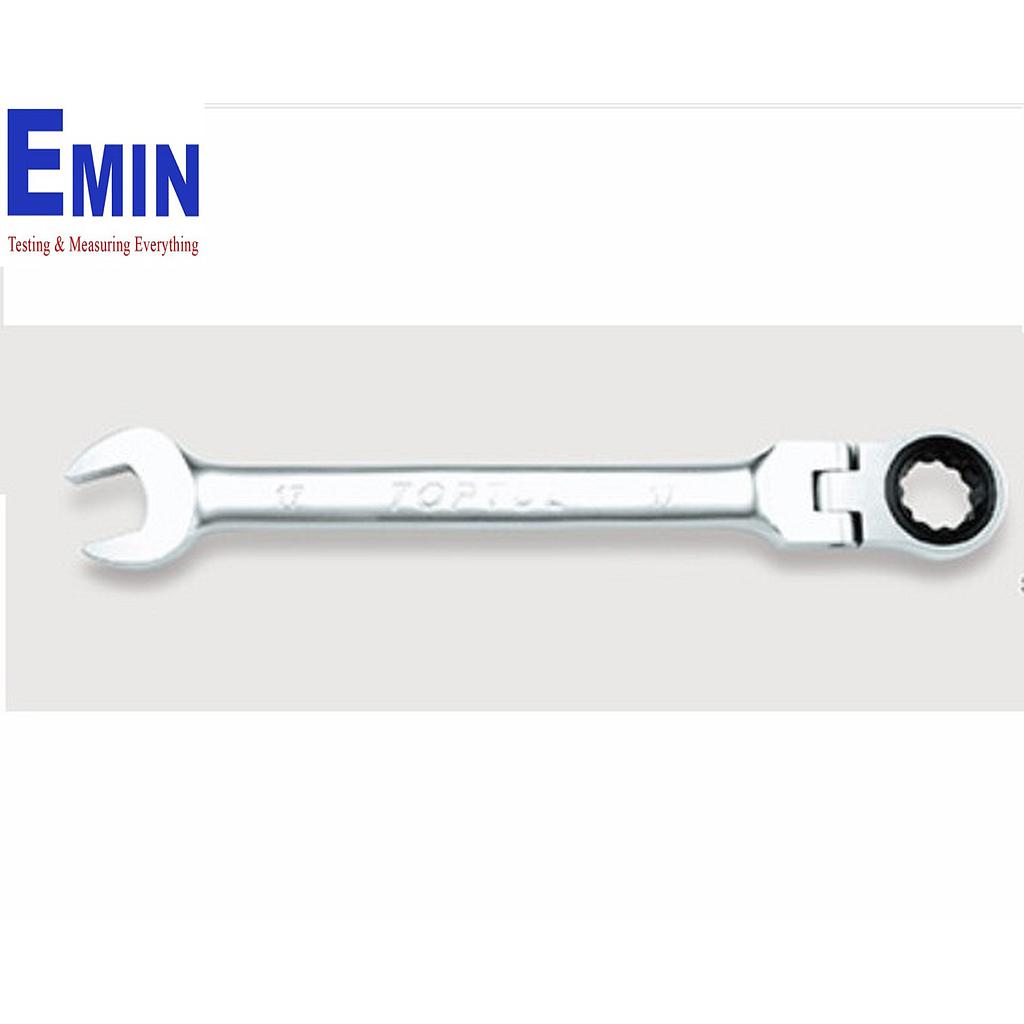
Not every fastening job is the same, which is why this category includes several wrench styles rather than a single universal tool. Open-end and combination wrenches are commonly used for standard hex fasteners, while ring and ratcheting designs are preferred when better grip and faster repetitive turning are needed.
Specialized tools also play an important role. A strap wrench is useful when working on round surfaces that should not be marred, and a hook wrench is suitable for locknuts or circular retaining parts. For technicians who regularly work alongside sockets and drive tools, a socket wrench set may also be a practical complement for broader fastening tasks.
Common wrench styles in this category
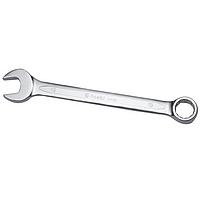
Combination wrenches combine an open end and a ring end in one tool, making them a versatile choice for daily service work. A model such as the TOPTUL AAEA2727 Standard Combination 15° Spanner 27mm reflects this general-purpose format, where access and grip need to be balanced.
Ring wrenches are often chosen when more contact area is needed around the fastener head. For example, the TOPTUL AAAK0809 Midget Double Ring Wrench 45° Offset is designed for compact access, and the offset geometry can help when bolts are recessed or partially obstructed.
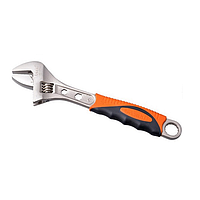
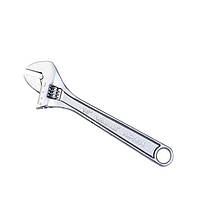
Adjustable and application-specific wrenches are useful when fixed sizes are not enough. The Stanley 90-947 adjustable wrench can support general maintenance work, while the TOPTUL JJAH1102 Strap Wrench and TOPTUL AEEX1AA8 Hook Wrench serve more specialized fastening and holding needs in mechanical servicing.
Examples of tools for assembly and maintenance
For routine workshop operations, TOPTUL products are prominent in this range, including the CTDA1231 Sliding T-Handle Socket Wrench and CTDA1031 T-handle type wrench. These tools are typically selected when technicians need more leverage and direct alignment on fasteners in deeper or more restricted positions. If your application involves repeated hex socket work, a T-handle format can help improve speed and operator comfort.
For general repair environments, STANLEY options such as the 73-664 double ring wrench set offer multi-size coverage in one package. This can be practical for teams that need a core tool assortment rather than individual pieces. Buyers comparing manufacturers can also explore the TOPTUL and STANLEY brand pages for a broader view of available hand tool ranges.
Wrenches for electrical and safety-focused work
In environments where electrical safety matters, tool selection should go beyond size and shape. Insulated models are used to reduce risk when technicians work near live parts or energized systems, and they are especially relevant in electrical maintenance, panel work, and utility-related service tasks.
This category includes examples such as the SATA 41319, SATA 41321, and SATA 41322 VDE Insulated Open End Wrenches, each rated for 1000V according to the product naming provided. These tools are intended for specific use cases where insulation is required, and they should be chosen in line with site procedures, voltage class, and safe working practices. For buyers focused on this type of tool, the SATA range is a useful reference point.
How to choose the right wrench
The first step is matching the wrench style to the fastening condition. Fixed-size spanners and ring wrenches are often preferred for repeated use on known fastener sizes because they offer more secure contact. Adjustable models can be convenient for service teams handling varied equipment, though precise fit still matters to reduce slipping and rounding.
Access constraints should also guide selection. Offset heads, compact lengths, and T-handle designs each solve different clearance problems. When surfaces must be protected or the component is round rather than hexagonal, a strap wrench may be more appropriate than a standard metal jaw tool.
It is also worth considering whether a single wrench or a broader toolkit is more efficient for the job. In many assembly and maintenance settings, wrenches are used together with Hex Wrench set options and other hand tools to cover multiple fastener types across the same machine or installation.
What matters in industrial and B2B purchasing
For business buyers, wrench selection is not only about tool type but also about consistency across teams, maintenance routines, and spare tool planning. Standardizing common sizes and styles can help reduce downtime, simplify replenishment, and improve technician familiarity on site.
Application fit, safety requirements, and tool coverage are usually more important than buying by description alone. A maintenance contractor may need a mix of insulated open-end wrenches, adjustable models, and ring wrench sets, while a production facility may focus on fixed-size tools for repetitive assembly points. Looking at representative products within the category helps narrow down the range based on actual work conditions.
Building a practical hand tool setup
A well-planned wrench selection works best as part of a wider assembly and service toolkit. In many cases, buyers combine spanners, ring wrenches, T-handles, and specialty formats with impact-free hand tools for daily maintenance and equipment installation. The goal is not to collect every type, but to cover the fastening situations that occur most often.
If your team handles mixed repair tasks, it may also be useful to review related categories such as repair tools, socket-based tools, and hex key solutions alongside this wrench range. That approach makes it easier to build a more complete hand tool setup for workshop use, field service, or plant maintenance.
Final considerations
This wrench category is intended for users who need dependable hand tools for fastening, holding, and adjustment across industrial and technical applications. From compact ring wrenches and combination spanners to strap, hook, adjustable, and insulated models, the range supports both general maintenance and more specialized service work.
When comparing options, focus on fastener type, working clearance, safety needs, and whether the tool will be used occasionally or every day. A suitable wrench is not simply a matter of size; it is a tool choice that affects grip, access, workflow, and long-term usability in real operating conditions.
Get exclusive volume discounts, bulk pricing updates, and new product alerts delivered directly to your inbox.
By subscribing, you agree to our Terms of Service and Privacy Policy.
Direct access to our certified experts