Grinding
In many workshops, a bench-mounted grinder is one of the most frequently used machines for deburring, edge correction, surface preparation, and basic tool maintenance. Choosing the right setup is not only about motor power or wheel size, but also about matching the machine to the workload, duty cycle, and type of grinding operation performed every day.
Grinding equipment in this category is suited to fixed-position work where stability matters more than portability. It is commonly used for rough stock removal, cleaning metal edges, sharpening simple tools, and preparing parts before drilling, assembly, or finishing.
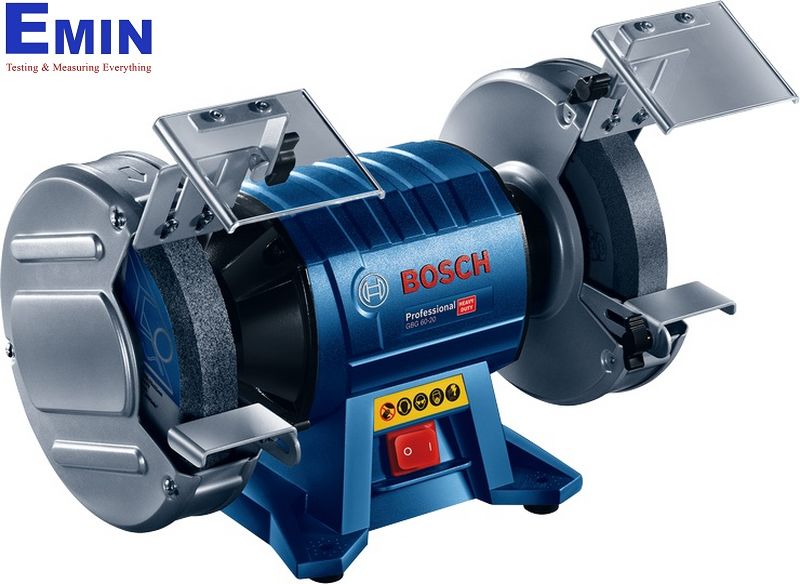
Where bench grinding machines fit in a workshop
A stationary grinder plays a different role from handheld abrasive tools. Because the motor and spindle remain fixed, the machine can deliver more consistent contact, better control for small parts, and more repeatable results during routine workshop tasks.
This makes it useful in maintenance areas, fabrication shops, and production support stations. After cutting or machining, operators often move a part to the grinder for burr removal or surface touch-up before the next process. In many cases, bench grinding also complements tools such as a drill machine when parts need quick edge cleanup after drilling or fitting.
Typical machine configurations in this category
Most products here follow the familiar double-wheel bench grinder format, with abrasive wheels mounted on both sides of the motor. This arrangement allows one side to be used for more aggressive grinding and the other for lighter finishing, helping reduce changeover time during daily work.
Examples include the BOSCH GBG 35-15 Double-Wheeled Bench Grinder with a 150 mm wheel format and the DEWALT DW752R Bench Grinder, which is also built around a compact bench-mounted design. For users looking for heavier-duty workshop machines, Hồng Ký offers multiple grinding motor options across 1HP, 1.5HP, 2HP, and 3HP configurations, including models such as Hồng Ký 5610010, Hồng Ký 5610012, and the MB series.
How to choose the right grinder for your workload
The first point to consider is the balance between power, wheel diameter, and operating intensity. Smaller machines in the 150 mm class are often suitable for lighter maintenance, routine sharpening, and occasional deburring. Larger 200 mm or 250 mm wheel machines are generally more appropriate when the work involves repeated grinding, larger contact areas, or tougher material removal.
Voltage and installation conditions also matter. Several Hồng Ký models in this category use 220V supply, which is practical for many local workshops, while some configurations also indicate 380V options. If the grinder will run frequently throughout the day, buyers should also consider machine weight, mounting stability, and whether the working area can support safe fixed installation.
For buyers comparing options across broader workshop tooling, related categories such as drill bits and cutting accessories may also be relevant when the grinder is part of a larger fabrication or maintenance workflow.
Why wheel size and speed matter in daily use
Wheel diameter affects both working capacity and the type of task the machine can handle comfortably. A 150 mm wheel, as seen on the BOSCH GBG 35-15 or DEWALT DW752R, is often a practical choice for compact benches and lighter operations. Machines built for 200 mm or 250 mm wheels usually provide a larger grinding surface and are better suited to heavier shop use.
Rotational speed is equally important because it influences cutting behavior, heat generation, and finish quality. Many models in this category operate around 2800 to 3000 rpm, which is common for general-purpose bench grinding. In practice, good results depend less on pushing aggressively into the wheel and more on steady contact, proper wheel condition, and suitable pressure for the material.
Accessories and replacement wheels are part of the system
A grinder should not be viewed as only the motorized base machine. Abrasive wheels are consumable components, and replacement compatibility is a practical purchasing factor. In this category, examples such as the MAKITA B-51932 Grinding Disc and MAKITA B-51910 Grinding Disc show the importance of matching wheel size and machine compatibility before replacement.
For production or maintenance environments, keeping suitable wheels available helps reduce downtime and maintain consistent grinding quality. Uneven wear, glazing, or physical damage can affect vibration levels and surface finish, so timely inspection and replacement are part of normal machine care rather than an occasional repair task.
Safe operation and correct wheel installation
Even a simple bench grinder can develop problems if the wheel is installed incorrectly. Because the spindle directly transfers motor rotation to the wheel, poor centering or uneven tightening may lead to vibration, premature bearing wear, and unstable grinding performance. That is why correct removal and installation procedures are essential.
Before any maintenance, the machine should be disconnected from power. After replacing a wheel, it is good practice to check clearance manually, confirm proper assembly order, and let the machine run without load briefly to detect abnormal vibration. Eye shields, guards, and spark protection should remain in place during normal operation, especially when the machine is used repeatedly in a busy metalworking area.
Representative product options in this range
Users who need a compact general workshop machine may look at the DEWALT DW752R or the BOSCH GBG 35-15. These models represent the lighter bench grinder segment typically used for routine grinding, deburring, and sharpening support tasks.
For workshops that prefer locally familiar heavy bench-mounted grinding motors, Hồng Ký offers a broader spread of capacities, from the MB 1/2 HP and MB 1HP models up to MB 2HP and MB 3HP versions, as well as the GLA-H1.112-2Đ Double Wheel Bench Grinder. This makes the category relevant for both small maintenance corners and more demanding fabrication environments where machine stability and continuous use are important.
FAQ
What is the difference between a bench grinder and a grinding motor?
In practical workshop use, both refer to fixed grinding equipment driven by an electric motor. A bench grinder usually emphasizes a complete two-wheel setup for mounted use, while a grinding motor description may focus more on motor-and-spindle capacity within the same type of application.
Is a larger wheel always better?
Not necessarily. A larger wheel can support heavier grinding tasks, but the right choice depends on bench space, workpiece size, usage frequency, and the level of material removal required.
How often should grinding wheels be inspected?
Inspection should be routine, especially in workshops with frequent daily use. Wheels should be checked whenever vibration increases, surface quality drops, or visible wear and damage are suspected.
For buyers equipping a workshop or upgrading a maintenance station, the best approach is to evaluate the grinder as part of a complete work process: machine power, wheel size, replacement wheel availability, mounting stability, and the type of parts handled most often. A well-matched bench grinding setup helps improve consistency, supports safer operation, and reduces unnecessary wear over time.
Get exclusive volume discounts, bulk pricing updates, and new product alerts delivered directly to your inbox.
By subscribing, you agree to our Terms of Service and Privacy Policy.
Direct access to our certified experts