Desoldering Pump
Clean component removal is often just as important as making a good solder joint. When technicians need to correct assembly errors, replace through-hole parts, or clear solder from pads and terminals, a desoldering pump is one of the most practical tools in the bench setup. It helps remove molten solder quickly, reduces the risk of overheating the board, and makes rework more controlled in electronics production, maintenance, and repair.
On this page, you can explore manual solder removal tools as well as related replacement parts used in broader desoldering workflows. The range is suitable for electronics labs, repair benches, maintenance teams, and production environments where reliable rework tools are needed for routine service tasks.

Where desoldering pumps fit in electronics rework
A desoldering pump is typically used after solder is heated to a molten state, then vacuum suction pulls it away from the joint. This approach is widely used for removing excess solder, freeing leads from plated through-holes, and preparing boards for component replacement. It is especially useful in repair work where speed and repeatability matter.
Compared with more complex rework systems, a manual pump offers a simple and cost-effective option for everyday bench tasks. In many workflows, it is used alongside soldering stations or paired with a dedicated desoldering station when higher throughput or more consistent vacuum removal is required.
Typical products in this category
This category includes both complete pumps and selected accessories related to desoldering systems. For users who prefer a manual suction tool, examples include the Proskit 8PK-366NO, Proskit 8PK-366NB, Proskit DP-366C, Proskit DP-366P, Proskit DP-366J, and the GOOT GS-100. These products illustrate the common format of spring-loaded handheld tools designed for bench-level solder removal.
The category also covers supporting items used in station-based desoldering. Examples include the Pro'skit 5SS-331NZ Nozzle, Proskit 5SS-331N-DG Desoldering Gun, Proskit 5SS-331N-H Heater, Proskit 5SS-331FP Empty Filter Pipe, and Proskit 5SS-331-FT Filter For Desoldering Gun. These parts are important for maintaining suction performance, thermal efficiency, and stable operation in a desoldering setup.
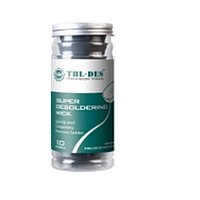
For applications where residual solder needs to be cleaned from smaller joints or delicate pads, wick can also play an important role. The Pro'skit DP-033D Anti-Hot Desoldering Wick is a good example of a complementary consumable that helps complete the rework process after bulk solder has been removed.
How to choose the right desoldering tool
The best choice depends on the type of work being done. For occasional repair, field service, or low-volume bench work, a manual desoldering pump is usually the most straightforward option. It is easy to operate, requires no power source, and works well for many through-hole solder joints when combined with proper heating technique.
For repetitive tasks, denser boards, or maintenance lines handling many similar assemblies, station-based tools may be more efficient. In those cases, replacement items such as nozzles, heaters, filter pipes, and gun assemblies become just as important as the main unit itself because worn consumables can reduce suction quality and make solder removal less consistent.
It is also worth considering joint size, access space, and board sensitivity. A compact handheld pump may be enough for standard terminals, while narrow nozzles or desoldering wick may be better for tighter areas. If your process includes broader repair and board-level rework, related tools such as hot air rework systems can help when working with components that are not suited to simple vacuum extraction.
Manual pumps vs desoldering stations
A manual pump is valued for its simplicity. It is commonly chosen for education labs, electronics repair benches, and technicians who need a portable tool for quick intervention. Models in this category show different physical sizes and suction ratings, which can influence handling and effectiveness depending on the solder volume and operator preference.
A desoldering station, by contrast, is more suitable when solder removal is frequent and process stability is important. It integrates heating and suction into a more controlled system, often improving productivity on repeated jobs. If your work regularly involves advanced board repair, nearby categories such as BGA rework equipment may also be relevant for more demanding packages and thermal profiles.
Brands commonly selected for this category
Several manufacturers in this range are familiar to electronics technicians and maintenance teams. Proskit is strongly represented in this category with manual pumps as well as replacement parts for desoldering station maintenance. This makes it relevant not only for tool selection but also for long-term servicing of existing equipment.
GOOT is also represented with the GS-100 desoldering pump, offering another option for users comparing handheld solder removal tools. Depending on broader workshop requirements, buyers may also consider brands such as HAKKO or Dekko in related soldering and rework contexts, especially when standardizing equipment across multiple stations.
Maintenance and usage tips for better solder removal
Good results depend on more than suction alone. The solder joint should be fully heated before the pump is triggered, otherwise solder may only be partially removed and repeated heating can stress pads or plated holes. Clean nozzle condition and correct positioning also make a noticeable difference during rework.
For station-based systems, filters and internal passages should be checked regularly. Components such as replacement filters, empty filter pipes, nozzles, and heaters help keep airflow stable and prevent performance drop over time. A worn or clogged consumable can make even a capable desoldering unit feel ineffective.
In practical bench work, many technicians combine tools rather than relying on only one method. A pump can remove the main solder volume, while wick is used afterward for final cleanup. This layered approach often improves pad cleanliness and makes component replacement easier.
Applications across repair, maintenance, and production support
Desoldering pumps are widely used in PCB repair, aftermarket electronics service, maintenance departments, and prototype workshops. They are helpful when replacing connectors, switches, relays, through-hole IC sockets, and other components that must be removed without unnecessary board damage. In production support, they also assist with rework on mis-soldered joints or assembly corrections.
Because this category includes both handheld pumps and ecosystem parts for desoldering stations, it supports different levels of rework maturity. Some users need a simple manual tool for daily service jobs, while others need replacement consumables to keep a station-based process running reliably.
Choosing with confidence
The right solution depends on your rework frequency, board type, and whether you need a standalone manual tool or replacement parts for an existing desoldering system. A handheld pump is often ideal for straightforward solder extraction, while filters, nozzles, heaters, and gun assemblies are essential for maintaining performance in dedicated equipment.
If you are comparing options in this category, focus on the actual rework task: solder volume, joint accessibility, maintenance needs, and compatibility with the tools already on your bench. That approach makes it easier to select a practical desoldering solution that supports reliable electronics repair and assembly work.
Get exclusive volume discounts, bulk pricing updates, and new product alerts delivered directly to your inbox.
By subscribing, you agree to our Terms of Service and Privacy Policy.
Direct access to our certified experts