
Glue suction machine
Accurate adhesive handling is a small but important part of many electronics assembly and repair workflows. When glue, underfill, resin, or similar materials need to be removed, transferred, or controlled around sensitive boards and components, choosing the right glue suction machine helps improve cleanliness, reduce manual effort, and support more repeatable work.
In SMT and electronic circuit assembly environments, these tools are typically used where precision matters and excess material can affect rework quality, inspection, or downstream processing. They are especially relevant for technicians and production teams looking for better control during adhesive removal or localized material handling.
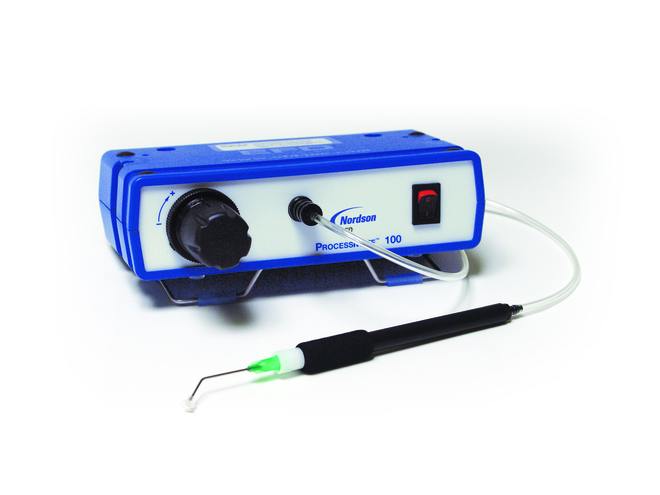
Where glue suction machines fit in electronics work
Within board assembly and repair processes, adhesive materials may be used for fixing components, reinforcing selected areas, or supporting certain production steps. A glue suction machine is generally used when those materials must be extracted, reduced, or handled in a more controlled way than with purely manual tools.
This makes the category relevant for benches that deal with PCB repair, SMT rework, prototyping, and small-batch production. In these settings, controlled suction can help technicians work closer to delicate pads, components, and board surfaces while keeping the workspace cleaner and easier to manage.
Typical applications in assembly and rework
One common use case is localized adhesive removal during repair or component replacement. If glue has been applied near solder joints, connectors, or mechanically fixed parts, removing the material carefully can make later steps safer and more efficient. This is particularly useful when the goal is to avoid unnecessary stress on nearby parts.
Glue suction equipment can also support preparation before thermal rework or part replacement. In practice, adhesive management is often only one step in a larger process that may also involve hot air rework systems or other station-based tools. Using the right equipment for each stage helps maintain process control instead of forcing one tool to do everything.
What to consider when selecting a glue suction machine
The right choice depends first on the material being handled and the scale of the job. Viscosity, curing condition, application area, and the required level of precision all influence whether a certain suction method is practical for your workflow. For electronics work, it is also important to consider how easily the tool can be positioned around compact assemblies.
Another key factor is the overall workstation setup. Some users need a compact unit for occasional bench repair, while others may need equipment that fits more continuous use in production or rework lines. Looking at ease of operation, cleaning requirements, stability during use, and compatibility with surrounding tools will usually lead to a better long-term decision than focusing only on the device category name.
Glue removal as part of a broader SMT toolchain
Adhesive handling rarely stands alone in electronics manufacturing. It is usually connected to soldering, desoldering, component replacement, inspection, and finishing steps. For that reason, buyers often evaluate glue suction machines alongside nearby bench equipment rather than in isolation.
For example, after adhesive removal, the next operation may involve a desoldering station for part extraction or a dedicated soldering station for assembly and touch-up work. Understanding this relationship helps procurement teams and engineers build a workstation that supports the full repair or assembly sequence.
Benefits for repair benches and production environments
In repair environments, the main value often comes from better precision and less risk of disturbing adjacent components. A suitable glue suction machine can help reduce excessive scraping or uncontrolled manual removal, which is important when working on dense boards or assemblies with limited access.
In production and process-controlled environments, the benefit is often consistency. Standardizing adhesive handling steps can support cleaner rework, easier operator training, and a more predictable workflow. This is especially helpful where the same type of board or assembly is processed repeatedly and teams want a more repeatable process.
How to match the tool to your workflow
Before selecting equipment, it helps to define whether the main task is glue removal, localized cleanup, support for rework preparation, or handling of similar materials during assembly. The more clearly the application is defined, the easier it becomes to narrow down the right machine type and operating style.
It is also useful to consider adjacent processes at the same bench. Teams that regularly perform versatile repair tasks may also review broader bench solutions such as multi-purpose soldering and repair stations. This kind of planning can reduce equipment overlap and make the workstation more practical for everyday use.
Choosing with process quality in mind
For technical buyers, maintenance teams, and electronics workshops, the best category choice is usually the one that supports the actual process rather than adding unnecessary complexity. A glue suction machine should be evaluated based on material control, operator usability, and how well it fits into the surrounding assembly or rework sequence.
If your work involves adhesive removal near sensitive electronic assemblies, this category is worth reviewing as part of a complete SMT bench setup. A well-matched solution can help create cleaner handling, smoother rework preparation, and a more organized process from removal through final repair.
Get exclusive volume discounts, bulk pricing updates, and new product alerts delivered directly to your inbox.
By subscribing, you agree to our Terms of Service and Privacy Policy.
Direct access to our certified experts