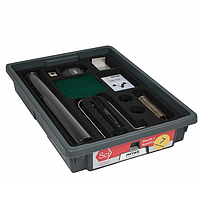
Audio equipments
Clear sound generation, capture, and analysis are essential in many teaching and laboratory environments. Whether the goal is to demonstrate basic wave behavior, investigate hearing thresholds, or build hands-on acoustics experiments, the right audio equipments help turn abstract concepts into measurable results.
This category brings together practical instruments and accessories used in physics education, training labs, and research-oriented classroom setups. From tuning forks and loudspeakers to measuring microphones and complete student experiment kits, these products support a broad range of acoustics and sonography activities with a strong focus on learning by experiment.
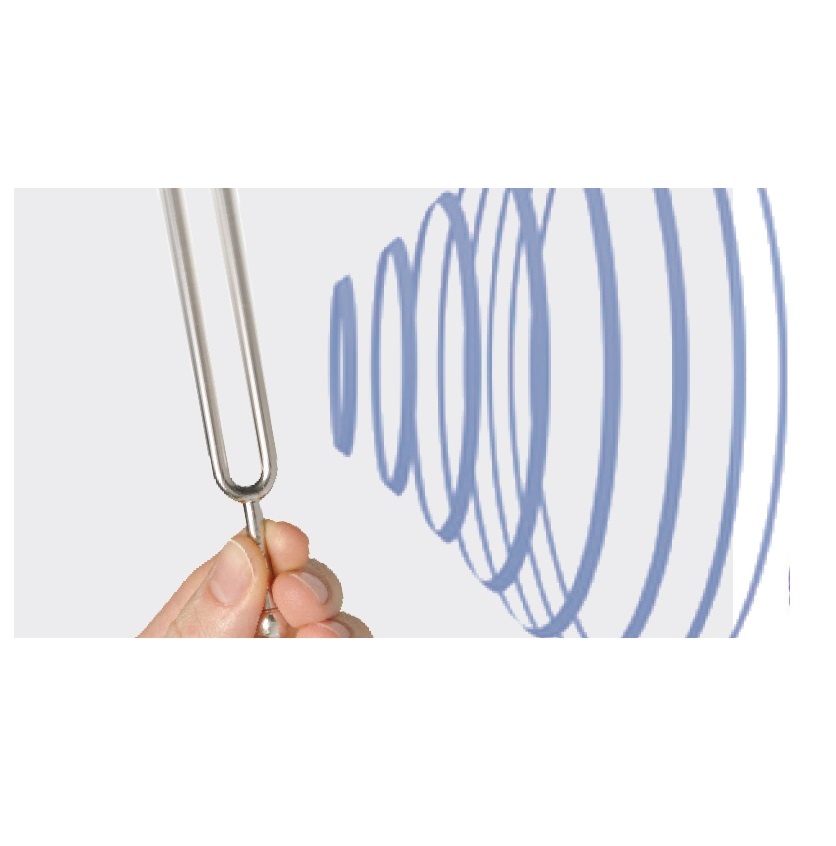
Built for acoustics experiments and technical education
In educational and laboratory settings, audio-related equipment is not limited to playback devices. It often includes tools for sound generation, signal reception, frequency comparison, and observation of wave propagation. This makes the category especially relevant for schools, universities, and training centers working with physics, applied science, and interdisciplinary demonstrations.
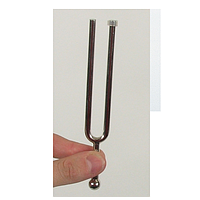
Many setups are designed to support guided experiments rather than standalone use. For example, a tuning fork can introduce resonance and frequency, while a measuring microphone and loudspeaker allow learners to study sound fields, response, and perception in a more quantitative way. Users looking for complementary hands-on tools may also explore related mechanical device equipment for broader laboratory exercises.
Typical product types in this category
This category includes both complete experiment systems and individual components that serve a specific role in an acoustics setup. Complete kits are useful when a lab needs a structured package for student work, while individual items make sense for expanding or maintaining an existing bench.
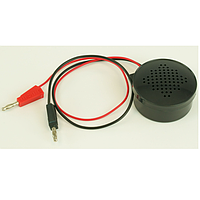
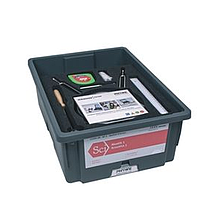
Examples from this range include the PHYWE 25289-88 Student Set Acoustics 1 and the PHYWE 15321-88 Student Set Acoustics 2, which are intended for classroom experiment programs covering sound generation, propagation, oscillations, waves, and real-world applications. At the component level, products such as the PHYWE 03543-00 Measuring Microphone With Amplifier, the PHYWE 13765-00 Loudspeaker, and the PHYWE 65974-00 Headphone support measurement, reproduction, and listening-based tasks within the same learning environment.
Where these audio instruments are used
Acoustics equipment is widely used in secondary education, university laboratories, teacher training, and technical demonstration rooms. In these environments, the purpose is often to connect theory with observation: how a tone is created, how frequency changes are perceived, how waves travel through air, or how an acoustic signal can be analyzed with software and sensors.
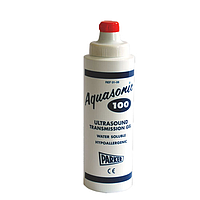
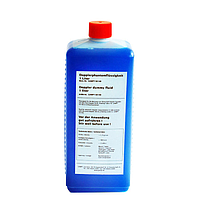
Some products in this category also extend into training applications related to ultrasonic techniques. The PHYWE 13926-99 Basic Set Ultrasonic Doppler Technique II, for example, supports sonography-oriented experiments for instructional use. Supporting items such as ultrasonic coupling gel and liquid for Doppler sonography play an accessory role in those setups, helping complete a training system rather than acting as standalone core instruments.
How to choose the right setup
The best selection depends on how the equipment will be used. For a school or teaching lab that wants a ready-to-use package, a student set is often the most efficient option because the components are already matched for a defined group of experiments. This approach can simplify preparation, storage, and lesson planning.
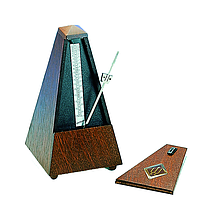
If the requirement is more specialized, it may be better to build a setup around individual devices. A lab focused on measurement may prioritize a measuring microphone with suitable frequency coverage. A demonstration bench may need a loudspeaker, headphones, metronome, or tuning forks for frequency comparison and perception exercises. If your application expands into related disciplines, it can also be useful to review electrical and magnetic testing equipment for complementary instructional systems.
Examples of equipment roles in an acoustics workflow
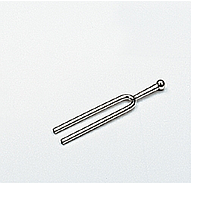
Different devices in this category support different stages of an experiment. A tuning fork such as the PHYWE 03424-00 Tuning Fork (440 Hz) or PHYWE 03421-00 Tuning Fork (880Hz) provides a stable acoustic reference for resonance, pitch, and vibration demonstrations. The PHYWE 03429-00 Impact Hammer is a simple but useful striking tool for initiating repeatable sound production from tuning forks.
When the objective shifts from demonstration to observation, a loudspeaker can generate controlled sound across a broad range, while headphones help with auditory threshold exercises and listening tasks. A microphone with amplifier can then capture the resulting signal for analysis, mapping, or comparison. In this way, the category supports a full learning chain from signal source to perception and measurement.
Why complete educational kits are often preferred
For many institutions, one of the key advantages of an educational kit is consistency. Instead of collecting separate items one by one, a matched set helps ensure that the equipment, storage format, and experiment scope are aligned. This is particularly useful when multiple student groups need repeatable results under limited class time.
Products such as the PHYWE acoustics student sets are structured around documented experiments and classroom use. They are especially suitable when teaching topics like wave behavior, sound perception, and practical acoustic phenomena across physics, biology, music, and applied science contexts. Buyers already working with PHYWE laboratory and educational equipment may also find it easier to expand existing teaching systems within the same ecosystem.
Considerations for schools, labs, and procurement teams
For B2B buyers, choosing audio equipment is not only about the instrument itself. It is also about durability, storage, compatibility with teaching goals, and whether the system supports repeated use across different classes or training sessions. In many cases, accessories are just as important as the main device, especially when software-based or ultrasonic experiments are involved.
It is worth checking whether the intended application is introductory acoustics, advanced measurement, or ultrasound-based demonstration. That distinction affects whether a basic sound experiment set, an individual transducer-related component, or a more specialized Doppler training system is the better fit. For broader lab planning, some users also compare options with energy testing equipment when building out a complete physics teaching environment.
Supporting better hands-on learning
Well-selected audio equipment makes it easier to teach concepts that are difficult to grasp through theory alone. With the right combination of sources, receivers, and experiment accessories, learners can observe how sound behaves, how it is measured, and how acoustic principles connect to real applications in science and technology.
This category is therefore most useful for buyers who need reliable, education-focused instruments for acoustics and related training activities. Whether you are equipping a classroom, upgrading a teaching lab, or adding specialized sonography training components, a structured selection of audio equipments helps create more effective and more measurable practical learning setups.
Get exclusive volume discounts, bulk pricing updates, and new product alerts delivered directly to your inbox.
By subscribing, you agree to our Terms of Service and Privacy Policy.
Direct access to our certified experts