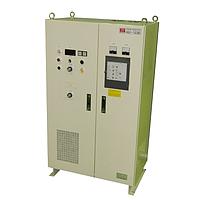
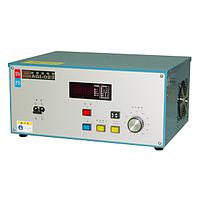
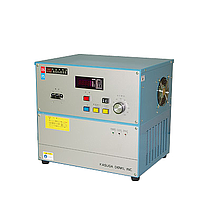
Power Supply and Electrostatic Generator
Stable high-voltage generation is a core part of many anti-static and electrostatic control systems. In production lines, clean environments, and material handling processes, the right Power Supply and Electrostatic Generator helps drive ionizing bars, support charge neutralization, or provide controlled electrostatic output for testing and process applications.
This category brings together equipment used in electrostatic control and evaluation, from industrial power supplies for static eliminators to specialized generators and analysis tools. It is especially relevant for users who need dependable operation, compatibility with existing electrostatic devices, and a clear path for selecting equipment based on voltage, output configuration, and application environment.
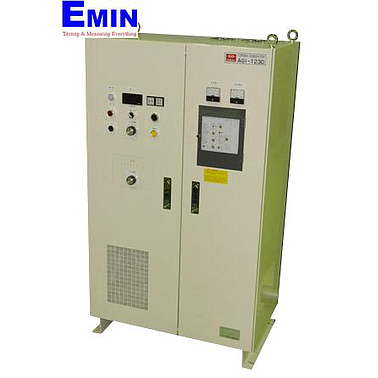
Where these systems are used
Electrostatic power supplies are commonly used where static charge affects product quality, operator safety, or process stability. Typical examples include film and sheet processing, printing, packaging, electronics assembly, and other operations where surfaces attract dust or where uncontrolled charge can interfere with handling.
In clean and controlled environments, electrostatic performance also connects to broader contamination control practices. Depending on the application, users may also review related cleanroom infrastructure such as clean bench systems or personnel contamination control equipment like air showers as part of a more complete setup.
Power supplies for static elimination systems
A large part of this category focuses on high-voltage power supplies designed to operate static eliminators and ionizing bars. These units convert standard input power into the output required by connected electrostatic devices, while maintaining controlled current levels and suitable distribution across one or more outputs.
Examples from SIMCO illustrate the range available for different installation needs. Models such as the SIMCO N167 and N267 are intended for multi-output static elimination setups, while the S165S and S265S address applications requiring fewer outputs and different cable compatibility conditions. For users working in more demanding environments, models such as the XP167 and XP267 are relevant where installation conditions require attention to hazardous-location suitability.
When comparing options, buyers usually look at input voltage, output voltage, maximum current, number of outputs, and the total supported length of connected static bars. These factors affect not just electrical matching, but also how effectively the system can cover the width or layout of the production line.
Electrostatic generators for controlled charge applications
Not every device in this category is intended to remove static. Some systems are built to generate a controlled electrostatic output for testing, research, or specialized industrial processes. In these cases, the stability of the output, adjustment range, polarity control, and monitoring functions become especially important.
The Tinsley 5915 Electroding Generator is a good example of this type of equipment. Its specification profile points to controlled current output, selectable polarity, monitored voltage and current, and adjustable modulation frequency. For users involved in laboratory work or process validation, this kind of generator is relevant when repeatability and fine output control matter more than simple on/off static elimination.
Measurement and analysis in electrostatic workflows
Electrostatic control often requires more than powering the system. In many environments, users also need to verify how charge behaves over time, evaluate materials, or document measurement results for process control. That is why this category also intersects with electrostatic testing and analysis equipment.
Shishido products in this selection help illustrate that connection. The Shishido H0110-S4A The Static Honestmeter is intended for static measurement work, while the V2-S2 Honest Data Analyzing System supports data analysis and PC-connected review. Together, these tools are useful when a facility needs not only a high-voltage source, but also a practical way to assess performance, compare readings, or support internal quality procedures.
How to choose the right equipment
Selection usually starts with the actual role of the device in the process. If the goal is to power ionizing bars or static eliminators, the key questions are the required output voltage, number of supported outputs, cable compatibility, and whether the installation is in a standard or hazardous area. If the goal is controlled electrostatic generation, output adjustability, polarity selection, and monitoring functions become more important.
It is also useful to consider the operating environment. Clean production areas, electronics handling zones, and material converting lines do not place the same demands on electrostatic equipment. Temperature, humidity, enclosure style, and installation location can all influence long-term reliability and maintenance planning.
For buyers building a broader controlled workspace, electrostatic equipment may be selected alongside related products such as ventilation chambers or cleaning tools including dustcloth and mop products. This is often helpful when static management is part of a larger contamination-control strategy rather than an isolated equipment purchase.
Comparing common configuration points
Several practical differences appear repeatedly across products in this category. One is the available input power format, since some units are built for 120V operation, some for 230V, and some support a wider range. Another is the number of outputs, which directly affects how many static eliminators or bars can be connected from a single supply.
Users should also compare enclosure type and installation suitability. For example, some SIMCO configurations differ by enclosure style for indoor or outdoor use, while others differ by whether they are intended for hazardous locations. These distinctions matter because the electrical performance alone does not determine whether a unit is appropriate for a specific production area.
In testing-oriented equipment, evaluation points shift toward measurement stability, adjustable settings, and how easily the device integrates into a documented workflow. A lab, process engineering team, or quality department may prioritize control resolution and monitoring visibility over distribution capacity.
Why category-level comparison matters
This category is useful not only for finding a single model, but also for understanding the available solution types across electrostatic control and testing. Industrial buyers often begin with a broad requirement such as powering an ionization system, supporting a static measurement process, or adding a controlled generator for validation work. Viewing these products together makes it easier to compare solution paths before narrowing to a specific model.
Brands such as SIMCO, Shishido, and Tinsley represent different use cases within that wider electrostatic ecosystem. Some products are clearly aimed at production-line static elimination, while others support measurement, analysis, or controlled electrostatic output. That distinction helps engineers and purchasing teams align the device with the real operational objective rather than choosing based on voltage alone.
Final considerations
Choosing electrostatic power equipment is ultimately about matching the device to the process: what needs to be powered, what needs to be measured, and what environmental constraints apply. A well-matched system can improve process consistency, reduce static-related defects, and support more reliable operation in anti-static or clean production environments.
Whether you are comparing multi-output power supplies for static eliminators, reviewing a specialized electroding generator, or looking at supporting measurement tools, this category provides a practical starting point for evaluating the right configuration for your application.
Get exclusive volume discounts, bulk pricing updates, and new product alerts delivered directly to your inbox.
By subscribing, you agree to our Terms of Service and Privacy Policy.
Direct access to our certified experts