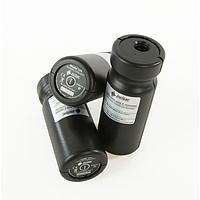
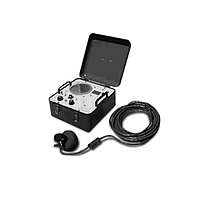
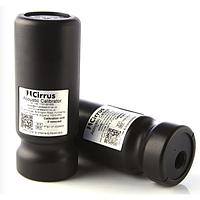
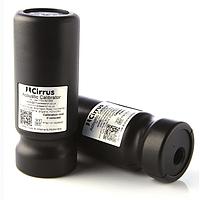
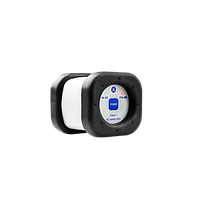
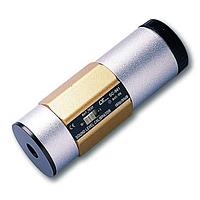
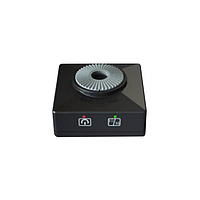
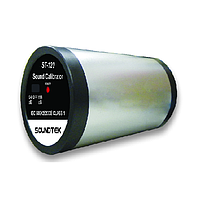
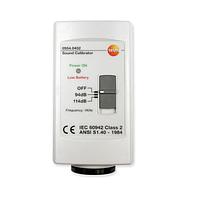
Sound Calibrator
Reliable acoustic measurements depend on more than the sound level meter itself. Before field surveys, environmental noise studies, workplace assessments, or laboratory checks, a Sound Calibrator helps verify that the meter and microphone are reading correctly at a known reference level. This simple step improves confidence in measurement results and supports traceable, repeatable workflows.
On this page, you can explore sound calibrators used for routine verification and adjustment of sound level meters across industrial safety, environmental monitoring, building acoustics, and general test applications. The range includes practical handheld units for day-to-day use as well as higher-accuracy models for more demanding setups.
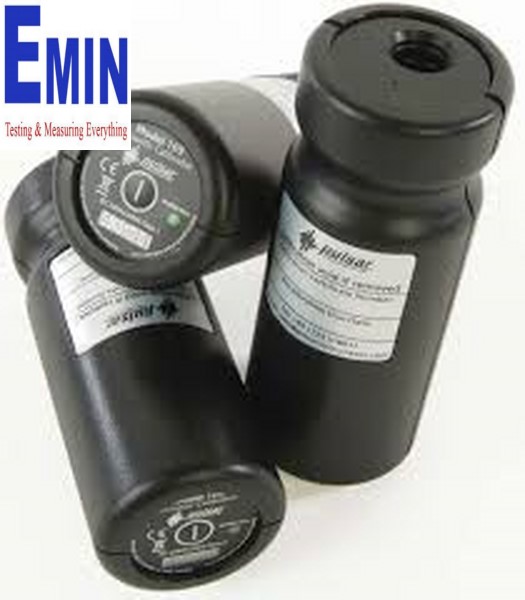
Why a sound calibrator matters in acoustic measurement
A sound calibrator generates a stable acoustic reference, commonly at 1 kHz and at defined sound pressure levels such as 94 dB or 114 dB. When placed over a compatible measurement microphone, it allows the user to confirm that the sound level meter is responding within the expected tolerance before and after measurements.
This process is especially important when measurement data is used for compliance, reporting, or troubleshooting. Even a high-quality meter can drift over time due to handling, environmental changes, battery condition, or microphone sensitivity shifts. A routine calibration check helps identify issues early and reduces uncertainty in the measurement chain.
Common configurations in this category
Most products in this category are built around standard reference levels used in acoustics. Many models offer 94 dB and 114 dB output, while some provide an additional 104 dB point. These options are useful because different measurement procedures, meter ranges, and site conditions may call for different verification levels.
Another important point is microphone compatibility. Several calibrators support 1/2-inch microphones directly, while some also support 1-inch or 1/4-inch microphones through adapters. If your setup includes different sound level meters or interchangeable microphones, checking the physical fit is just as important as reviewing the stated accuracy class.
For users working across several calibration tasks, it can also be useful to review related tools such as multifunction calibrators or temperature calibrators when building a broader maintenance or QA workflow.
How to choose the right model
The first selection factor is the required accuracy class. For more demanding measurement programs, a Class 1 acoustic calibrator is typically preferred, while Class 2 units may be suitable for more routine checks depending on the instrument and application. It is also worth reviewing stability, frequency tolerance, and how the device performs across temperature, humidity, and pressure variations if measurements are taken in changing environments.
Power supply and portability also matter in everyday use. Some units run on AA batteries, others use 9 V or AAA batteries, and battery life can vary significantly. Features such as automatic shutdown, digital status indication, and compact housing can make a noticeable difference for technicians who carry equipment between sites.
If your calibration activities extend beyond acoustics, related categories like pressure calibrators may also be relevant in plants, utilities, and maintenance departments where multiple instrument types are checked on a regular basis.
Examples from leading manufacturers
This category includes products from recognized measurement brands such as PCE, TESTO, EXTECH, KERN, BKPRECISION, Svantek, and Cirrus research. Each brand addresses slightly different needs, from straightforward field verification to more exacting acoustic control work.
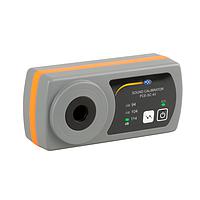
For example, the PCE SC 09 and PCE SC 09-ICA are Class 1 acoustic calibrators offering 94 dB and 114 dB at 1000 Hz, with support for multiple microphone sizes through adapters. For users looking for a simpler Class 2 option, the PCE SC 43 provides common reference levels including 94 dB, 104 dB, and 114 dB for practical decibel meter checks.
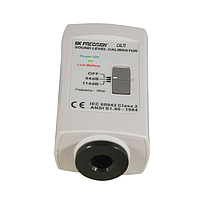
Other representative products include the TESTO 0554 0452 sound level calibrator, the BKPRECISION CAL73 standard acoustic calibrator, and EXTECH models such as the 407744 and 407766. For higher-accuracy Class 1 requirements, models like the Svantek SV 36, Svantek SV 33B, and Cirrus research CR:517 illustrate the type of performance often expected in professional acoustic measurement routines.
Typical applications across industry and testing
Sound calibrators are widely used wherever noise readings need to be trusted and documented. Common use cases include occupational noise assessments, machinery noise surveys, environmental monitoring, building acoustics, and maintenance checks on handheld sound level meters. They are also valuable in educational labs and service departments that need a quick functional reference before instruments are deployed.
In practice, the calibrator is often used at the start and end of a measurement session. If the before-and-after readings remain within acceptable limits, the user gains stronger confidence that the recorded data is valid. If not, the meter, microphone, or setup may require further inspection or formal recalibration.
Points to check before ordering
Before selecting a unit, confirm the microphone diameter it supports and whether an adapter is included or optional. A calibrator may have the correct acoustic performance but still not fit the microphone in your instrument set if the interface is different.
It is also useful to compare output levels, class, battery type, and environmental operating range. In mobile work, compact dimensions and long battery life can be important. In more controlled or regulated settings, the priority may shift toward IEC compliance, tighter tolerance, and better long-term stability.
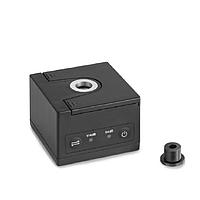
If you need a simple verification accessory rather than a full-featured calibrator, products such as the KERN ASU-01 adjustment device can also be relevant within a sound measurement workflow, especially for regular routine checks on compatible meters.
Supporting a dependable calibration routine
A sound calibrator is a small device, but it plays a critical role in the quality of acoustic measurement. Choosing the right output level, microphone compatibility, and accuracy class helps ensure that your sound level meter is checked under appropriate conditions for the job at hand.
Whether you need a compact field unit, a Class 1 model for tighter control, or a practical device for regular meter verification, this category brings together options suited to different technical requirements. Reviewing the intended application, instrument compatibility, and required tolerance will help you narrow down the most suitable model with confidence.
Get exclusive volume discounts, bulk pricing updates, and new product alerts delivered directly to your inbox.
By subscribing, you agree to our Terms of Service and Privacy Policy.
Direct access to our certified experts