Circuit Protection
Reliable electrical design depends on more than performance alone. In control panels, embedded electronics, power distribution assemblies, and industrial equipment, the ability to manage fault conditions is just as important as normal operation. That is why Circuit Protection remains a core part of component selection across both low-power electronics and heavier electrical systems.
This category brings together devices used to limit damage from overload, short circuit, surge events, and other abnormal conditions. Whether you are building a new system, maintaining installed equipment, or sourcing replacement parts, choosing the right protection strategy helps improve safety, reduce downtime, and protect downstream assemblies.
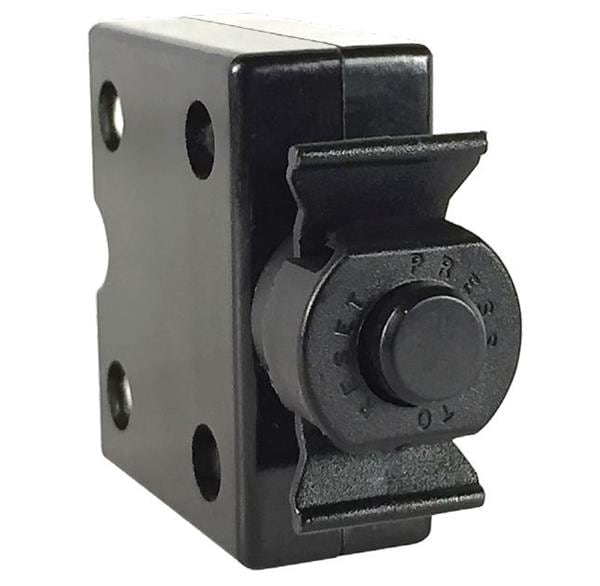
Where circuit protection fits in real applications
Protection components are used in a wide range of environments, from compact electronic boards to industrial cabinets and machine subsystems. In many cases, they work quietly in the background until an abnormal event occurs, at which point they interrupt current, absorb transient energy, or isolate a faulty branch before greater damage spreads through the system.
This makes circuit protection especially relevant in equipment that includes power conversion, control electronics, communication interfaces, or field wiring. It is also closely related to system architecture choices involving connectors, cable routing, and power entry design, where fault management needs to be considered early rather than added as an afterthought.
Common protection functions in this category
The scope of this category typically covers components designed to respond to overcurrent, short circuits, overvoltage, and transient events. Different technologies are suited to different fault profiles. Some are intended to disconnect a circuit branch, while others clamp or absorb excess energy to shield more sensitive electronics.
In practical design work, selection usually depends on operating current, trip behavior, mounting style, serviceability, and the type of load being protected. For example, some applications prioritize fast interruption, while others require a resettable or compact solution for dense assemblies. This broader protection ecosystem often works alongside related areas such as battery powered systems, where fault isolation and current control are especially important.
Circuit breakers and application-oriented selection
Within the wider protection landscape, circuit breakers play an important role when repeated service access, controlled interruption, or branch-level protection is needed. They are commonly used in panels, equipment interfaces, and subsystems where replacing a fuse after each fault would be less practical. Mechanical and thermal trip behavior can also make them suitable for specific operating conditions.
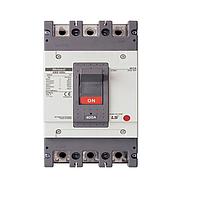
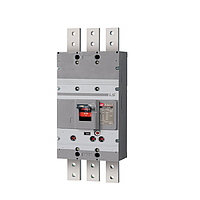
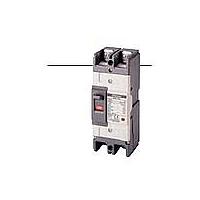
Several representative products in this category illustrate that range. The ams OSRAM 8345-C0PB-U3H1-DB1B2B-180A and 8345-C0PB-U3H1-DB1B2B-150A models point to higher-current protection use cases, while the ams OSRAM ESX10-TB-101-DC24V-0.5A and ESX10-TB-101-DC24V-0,5A -E show how low-current DC protection can also be relevant in control and electronics-oriented systems. For thermal and thermal magnetic options, examples such as the Amphenol MUC-20PFFR-JS8C01 and Amphenol 12S-03PMMR-SF7001 highlight installation flexibility across different mounting approaches.
How manufacturers support different integration needs
Product choice is often influenced not only by electrical behavior but also by form factor, mounting method, and how easily a component fits into the broader assembly. In this respect, brands such as ams OSRAM and Amphenol can be relevant depending on whether the design focus is panel integration, compact DC branch protection, or ruggedized interconnection environments.
Amphenol is also associated with broader interconnect ecosystems, which matters in applications where protection devices are installed near circular interfaces, cable assemblies, or field-wired equipment. Some listed Amphenol items in the surrounding catalog, such as circular connectors and accessories, show how protection components may sit within a more complete electromechanical solution rather than being treated as isolated parts.
Key factors to review before selecting a protection device
For B2B buyers and engineers, a good selection process starts with the actual fault scenario rather than the product label alone. It helps to define the expected normal current, inrush behavior, environmental conditions, maintenance requirements, and whether the protected load is resistive, inductive, or electronic. These details strongly influence which protection approach is appropriate.
Mounting style is another practical consideration. In the current product set, examples include surface mount, through hole, and panel-mount related options. That matters for assembly workflow, replacement access, vibration resistance, and available enclosure space. If you are sourcing for production or service inventory, it is also useful to review adjacent needs in kits and tools for installation and maintenance support.
Why circuit protection matters for system reliability
When protection is chosen correctly, it does more than prevent catastrophic failure. It can help localize faults, reduce troubleshooting time, and protect expensive downstream electronics from repeat stress. In industrial settings, that translates into better uptime and more predictable maintenance, especially where control boards, power modules, and field devices operate together.
Protection planning is also increasingly important in systems that combine power electronics, communications, and distributed loads. As equipment becomes more compact and interconnected, the margin for unmanaged fault energy becomes smaller. A well-structured protection scheme therefore supports both operational safety and long-term asset reliability.
Choosing with the wider component ecosystem in mind
Protection devices rarely work alone. They should be considered together with wiring interfaces, load characteristics, enclosure design, and power source behavior. In many projects, engineers evaluate circuit breakers, surge handling, and current-limiting elements as part of a wider sourcing process that may also include interconnects, accessories, and supporting hardware.
For that reason, this category is useful not only for direct replacement purchasing but also for system-level planning. Reviewing representative products and compatible manufacturers can help narrow down options faster and make specification work more efficient, particularly in industrial procurement and recurring B2B supply scenarios.
Final notes for sourcing circuit protection components
A suitable protection strategy starts with understanding how the circuit can fail, how quickly it needs to respond, and how the protected equipment will be serviced over time. From compact low-current DC breakers to higher-current branch protection options, the right choice depends on the application context rather than a single universal rule.
As you compare products in this Circuit Protection category, focus on operating conditions, mounting requirements, and integration with the rest of the system. That approach makes it easier to identify components that support safer operation, cleaner maintenance, and more dependable electrical performance across real-world installations.
Get exclusive volume discounts, bulk pricing updates, and new product alerts delivered directly to your inbox.
By subscribing, you agree to our Terms of Service and Privacy Policy.
Direct access to our certified experts