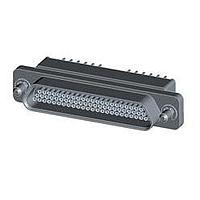
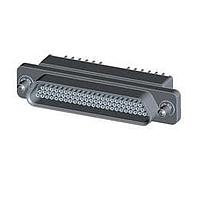
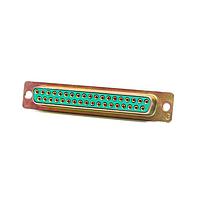
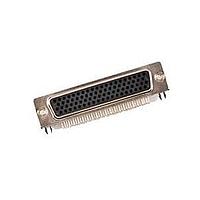
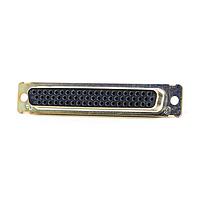
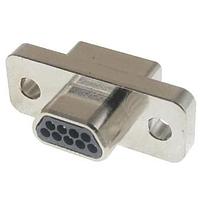
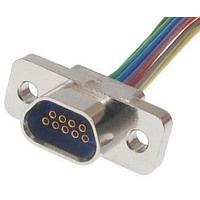
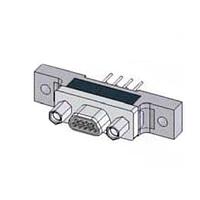
MIL Spec D-Sub Connectors
Reliable signal and power connections are critical in aerospace, defense, industrial control, and other harsh-environment applications where failure is not an option. In these environments, connector selection is not only about pin count or mounting style, but also about mechanical durability, stable contact performance, and compatibility with demanding system requirements. That is where MIL Spec D-Sub Connectors remain highly relevant.
Built around the familiar D-subminiature interface, this category supports applications that need a compact, proven interconnect format with military-style expectations for consistency and robustness. Whether you are maintaining legacy equipment, designing rugged electronics, or sourcing parts for long product lifecycles, this range helps engineers and buyers narrow down the right connector family for the job.
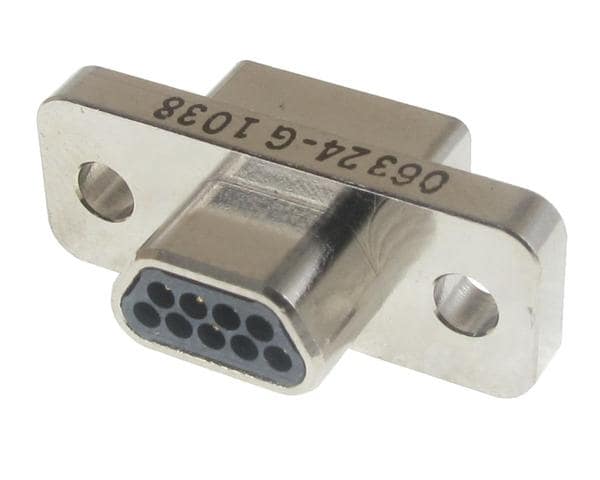
Why MIL-spec D-sub connectors are still widely used
The D-sub interface has been trusted for decades because it offers a practical balance of density, familiarity, and secure mating. In military and mission-oriented systems, that established form factor is especially useful when equipment must be repairable, interoperable, and easy to integrate into existing architectures. Compared with more application-specific connector families, D-sub designs often simplify panel layouts and harness planning.
Within this category, the focus is on connectors suited to environments where mechanical reliability and repeatable electrical contact matter more than convenience alone. Engineers often choose these parts for control electronics, communication interfaces, embedded systems, instrumentation, and vehicle-mounted equipment where vibration, handling, and service conditions place extra stress on the interconnect.
What to look for when selecting a connector
A good selection process starts with the basics: the required number of contacts, whether you need plug or receptacle form, and the intended mounting method. From there, it is important to consider termination style, mating frequency, available panel space, and whether the connector will carry mainly signal lines or a mix of signal and higher-current circuits.
Current handling can also be part of the decision. Some products in this range, such as the Amphenol M24308/2-362K, are listed with a rated current of 5A, while models such as the Amphenol L717DC37PA4 and Amphenol L717DBH25POL2RM8 are shown with a rated current of 7.5A. These values help buyers compare options, but the final choice should always reflect the full system design, including conductor size, thermal limits, and operating conditions.
Typical configurations found in this category
MIL-spec D-sub connectors are commonly selected in a variety of contact arrangements, making them suitable for everything from simple serial communication lines to more complex I/O groupings. Representative examples in this category include 25-position, 37-position, and 50-position formats, which are often used when designers need a compact way to route multiple connections through a single interface.
Examples from the current range include parts such as the Amphenol L717DBH25PT, Amphenol L717DC37PAJ4, Amphenol L717DC37PTK, and Amphenol L717DD50PAJ4. These listings illustrate the breadth of available layouts and packaging styles rather than a one-size-fits-all solution. For procurement teams, this makes the category useful both for new builds and for replacement sourcing when exact fit and mating compatibility are important.
Manufacturer context and sourcing considerations
When buyers are sourcing rugged interconnects, manufacturer pedigree often matters because documentation, continuity, and consistency can affect qualification workflows. This category includes strong brand context from suppliers such as Amphenol, while broader connector sourcing may also involve names such as AMP Connectors - TE Connectivity, 3M, and HARTING depending on project needs and platform standards.
In practice, many teams standardize on approved vendor lists or preferred connector ecosystems. That is one reason it helps to evaluate not just the connector itself, but also long-term availability, matching accessories, assembly requirements, and whether your design may later need related interfaces in the same ruggedized environment.
How these connectors fit into a broader interconnect system
D-sub connectors are often only one part of a larger signal and power architecture. A system may combine them with circular, rectangular, RF, or fiber interconnects depending on the function of each subsystem. For example, if your application also requires sealed multi-pin interfaces for cable assemblies, it may be useful to review related options such as MIL-spec circular connectors.
Likewise, projects involving mixed interface standards may need more than one military-style connector family to balance density, ruggedness, and transmission requirements. In those cases, comparing this category with MIL-spec rectangular connectors can help determine whether D-sub remains the best mechanical and electrical fit for the installation.
Examples that illustrate the range
Several products in this selection highlight the practical variety available to engineers and buyers. The Amphenol FDL2XPRAA07X and Amphenol M83513/10-B01CP reflect the continued use of D-subminiature formats in applications where established military-style part families are preferred. Other examples, such as the Amphenol 164A18119X, Amphenol 164A18089X, and Amphenol L77DC37SAM4BRM6, show how this category supports different part-number series and integration needs.
Rather than treating every listing as interchangeable, it is better to compare them against your exact electrical interface, hardware constraints, and service environment. That approach helps reduce sourcing errors and supports smoother integration during both prototyping and production.
Practical buying guidance for engineers and procurement teams
For engineering teams, the most effective approach is to begin with the mating interface already defined in the system, then verify contact count, mounting style, and termination method before checking detailed part compatibility. For procurement teams, consistency in approved part numbers and manufacturer alignment can help reduce delays during replenishment or field service support.
If you are replacing an existing connector, confirm not only the visible shell format but also the exact series, contact arrangement, and assembly expectations. If you are designing a new system, think ahead about maintenance access, cable routing, and whether future revisions may need compatible alternatives within the same family. A careful review at the category stage often saves time later in qualification and installation.
Choosing the right MIL-spec D-sub category for your project
This category is best suited to users who need a proven D-sub form factor with more demanding performance expectations than general-purpose commercial connectors. It is particularly useful for rugged electronics, defense-related maintenance, industrial systems with strict reliability requirements, and programs that depend on repeatable sourcing from recognized connector manufacturers.
By reviewing connector format, current needs, installation method, and manufacturer ecosystem together, buyers can identify parts that fit both the technical requirement and the realities of long-term support. If your application depends on a dependable multi-contact interface in a compact footprint, this range of MIL Spec D-Sub Connectors provides a practical starting point for selection.
Get exclusive volume discounts, bulk pricing updates, and new product alerts delivered directly to your inbox.
By subscribing, you agree to our Terms of Service and Privacy Policy.
Direct access to our certified experts