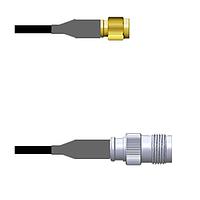
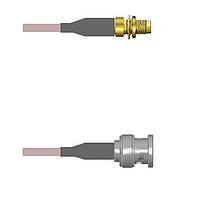
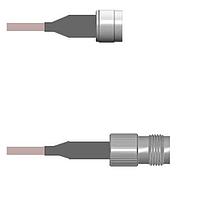
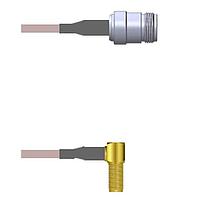
RF Interconnect
Reliable signal transmission starts with the quality of the interconnect path. In RF systems, every connector, adapter, cable interface, and termination point can affect impedance continuity, insertion loss, shielding performance, and long-term stability. That is why choosing the right RF Interconnect components matters not only for laboratory equipment, but also for communications hardware, broadcast infrastructure, instrumentation, and embedded electronic systems.
This category brings together products used to build, extend, and maintain coaxial signal paths across a wide range of frequencies and installation conditions. Whether the requirement is a board-level jack, a cable-mount plug, or a supporting tool for assembly, the goal is the same: maintain consistent RF performance while matching the mechanical and electrical demands of the application.
Where RF interconnect products are used
RF interconnect components are used anywhere signals must move between devices, modules, antennas, test instruments, or distribution points without excessive reflection or loss. Typical environments include communications systems, broadcast video, wireless infrastructure, measurement benches, industrial electronics, and development platforms where coaxial connections are common.
In practical design work, the connector is not an isolated part. It is part of a broader signal chain that can also include cable assemblies, adapters, terminators, and installation tools. Looking at the interconnect as a complete path helps engineers reduce mismatch issues and simplify maintenance over time.
What to consider when selecting RF connectors and related parts
The first selection point is usually impedance matching. In RF interconnect design, 50Ω and 75Ω are common standards, and choosing the correct value is essential for signal integrity. A mismatch between cable, connector, and equipment interface can introduce reflections that degrade performance, especially as frequency increases.
Mechanical format is equally important. Engineers often need to decide between straight and right-angle versions, free-hanging cable mounts, through-hole board mounts, or bayonet-style locking options depending on layout, service access, and cable routing. Termination method also matters, with solder and crimp styles each offering different benefits in assembly workflow and field serviceability.
Frequency range, durability, and environmental suitability should also be reviewed. Some applications prioritize compact size and easy mating, while others require better shielding, repeatable performance, or compatibility with a specific coaxial cable type. For projects involving supporting hardware and installation steps, it may also be useful to review related contacts and connector components that affect the complete assembly process.
Representative products in this category
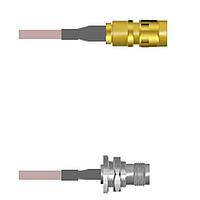
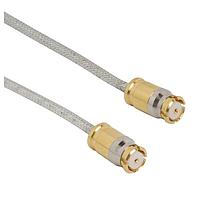
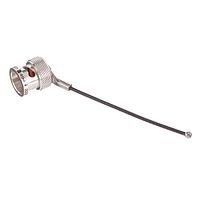
The product mix in this category reflects the variety of connection points found in real RF systems. Examples include the Amphenol SMZ(L)-75K2.5C2VY Coaxial connector and Amphenol SMZ(L)-75J6.5DY Coaxial connector, which illustrate compact coaxial connectivity options for signal routing where controlled electrical performance is required.
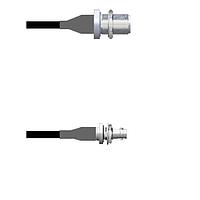
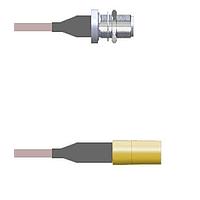
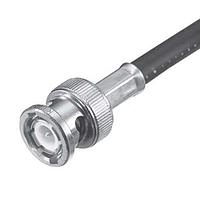
For board-level or cable interface needs, parts such as the Amphenol 456E717NF Conn BNC RCP 75Ohm Solder RA Thru-Hole Gold Over Nickel and Amphenol 031-70556 Connector RF show how mounting style, orientation, and cable compatibility influence product choice. The Amphenol 222167-10 Conn Type F F 0Hz to 3GHz 75Ohm Solder ST Cable Mount Bright Tin is another example that fits applications where a 75Ω interface is needed in video or signal distribution environments.
This category also includes supporting items such as the Amphenol TA 0000 502 Connector tool. Tools like this are important in the broader interconnect ecosystem because reliable RF performance often depends as much on correct assembly practice as on the connector itself.
Amphenol and the broader connector ecosystem
Among the featured manufacturers, Amphenol stands out in this category through a wide range of coaxial connector formats and related interconnect products. The available examples cover different interface styles, impedance classes, and mounting methods, which makes the brand relevant for both equipment production and service replacement work.
At the same time, RF interconnect selection usually sits within a larger connector strategy. Depending on the system architecture, teams may also work with general-purpose connector families from manufacturers such as 3M or AMP Connectors - TE Connectivity for adjacent signal and power interfaces. The key is to choose the RF path separately and carefully, because high-frequency performance imposes tighter constraints than many standard connector applications.
How connector style affects installation and performance
Connector geometry influences both assembly convenience and electrical behavior. A straight connector can be easier to route in open cable runs, while a right-angle version may be better suited to compact enclosures or dense PCB layouts. Board-mount jacks used at the enclosure wall or on internal modules need enough mechanical stability to withstand repeated mating cycles.
Termination method also affects manufacturing and maintenance. Soldered connectors can be preferred where a secure fixed termination is needed, while crimp designs are often chosen for repeatable cable preparation and faster assembly. In either case, proper process control is essential, especially in applications where frequency, shielding continuity, and return loss are important performance factors.
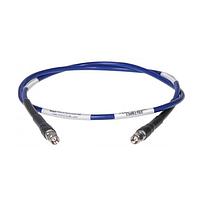
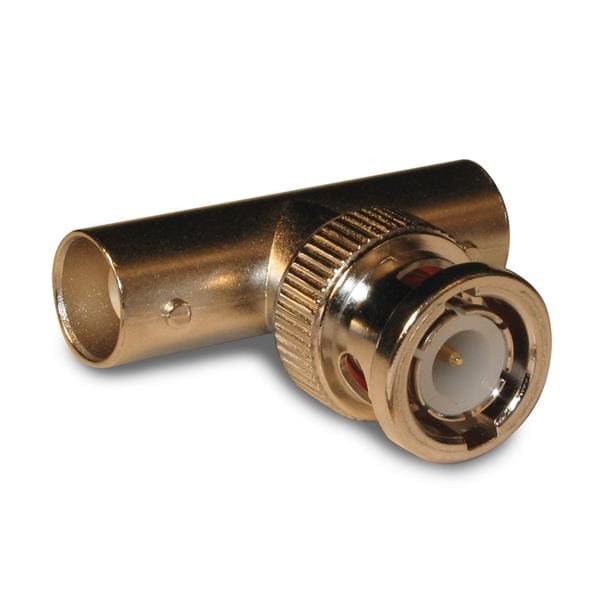
Locking style should not be overlooked. Bayonet interfaces such as BNC are commonly selected where quick connect and disconnect is useful, while other coaxial formats are chosen for size, frequency capability, or specific equipment standards. When installations need ready-made harnesses instead of field assembly, related RF-ready cable solutions can reduce build time and improve consistency.
Typical buying considerations for engineers and procurement teams
For engineering teams, the main priority is usually technical fit: impedance, mating interface, mounting style, cable compatibility, and operating conditions. Procurement teams, on the other hand, often need parts that are easier to source, standardize, and maintain across multiple assemblies. A good category page should support both perspectives by making it easier to compare products that serve different stages of the same interconnect design.
It is also worth considering whether the need is for a standalone connector, a matching accessory, or a tool required for installation. In many projects, specifying these items together reduces errors during assembly and helps maintain consistent quality from prototype through production. For users working across several connector families, categories such as keystone connectors may also be relevant in structured wiring or panel-interface contexts outside the RF path itself.
Building a more reliable RF signal path
A well-chosen coaxial interconnect does more than complete a connection. It helps preserve signal quality, supports mechanical reliability, and makes installation or replacement more predictable. Small details such as the correct impedance, the right cable attachment method, and a suitable mounting format can make a meaningful difference in the performance of the overall system.
For teams comparing options in this RF Interconnect category, the most effective approach is to start from the signal path requirements and then narrow the selection by interface type, mounting style, and assembly method. That makes it easier to identify parts that fit both the electrical design and the realities of production, integration, and long-term service.
Get exclusive volume discounts, bulk pricing updates, and new product alerts delivered directly to your inbox.
By subscribing, you agree to our Terms of Service and Privacy Policy.
Direct access to our certified experts