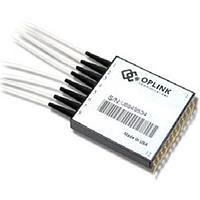
Fiber Optic Switches
In optical communication and test environments, signal routing often needs to be fast, repeatable, and low loss. That is where Fiber Optic Switches play an important role, helping engineers redirect optical paths without constant manual reconnecting. For system builders, lab teams, and industrial users, this category supports cleaner network design, easier maintenance, and more flexible signal management.
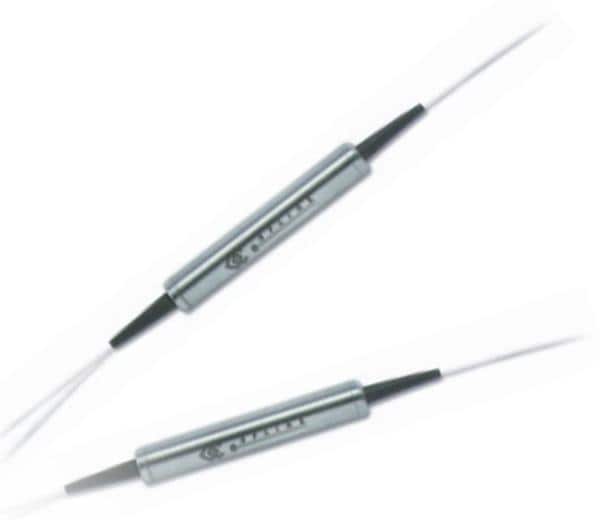
Where fiber optic switches are used
Fiber optic switching devices are commonly selected when an optical signal must be routed between different channels, ports, instruments, or network paths. They are relevant in communications infrastructure, optical measurement setups, automated test systems, and integration projects where space, repeatability, and signal integrity all matter.
Compared with manual patching, a switch-based approach can simplify reconfiguration and reduce handling of sensitive fiber connections. In many applications, these components are used alongside fiber optic cable assemblies to create practical routing layouts that are easier to install and maintain.
What to consider when selecting a switching solution
Choosing the right device starts with the optical path requirement. Buyers typically evaluate the number of channels needed, expected switching behavior, insertion loss targets, connector compatibility, and how the switch will fit into the wider optical system.
It is also important to look at the surrounding infrastructure. The switch itself is only one part of the signal chain, so compatibility with fiber optic connectors and the rest of the cabling environment can have a direct impact on installation quality and long-term performance. For technical teams working on repeatable measurement or automated routing tasks, system compatibility is often just as important as the switch format itself.
Typical product options in this category
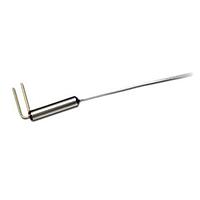
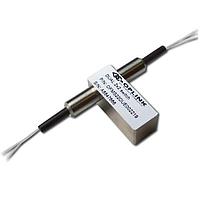
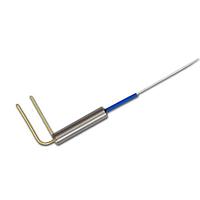
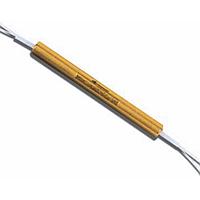
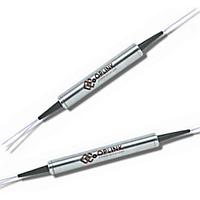
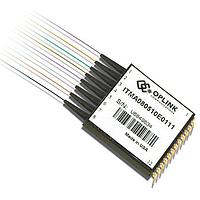
This category includes a range of Panasonic switching products used to support different optical routing needs. Examples include models such as PANASONIC AWAP12129 Fiber Optic Switches, PANASONIC AWAP12126 Fiber Optic Switches, PANASONIC AWAP12121 Fiber Optic Switches, and PANASONIC AWAP11236 Fiber Optic Switches.
Additional options such as PANASONIC AWAP06126, AWAP08221, AWAP05229, AWAP07229, AWAP11231, AWAP11136, AWAP11229, and AWAP11226 help cover a broader range of integration needs. Rather than treating every model as interchangeable, it is usually better to compare products based on the channel arrangement, mechanical integration needs, and the role each unit will play in the complete optical path.
Manufacturers and ecosystem context
Several recognized suppliers are associated with optical components and switching-related solutions in this space, including PANASONIC, Molex, and Molex / Oplink. In practice, supplier preference may depend on an existing approved vendor list, project design standards, or how closely a part aligns with the rest of the installed optical hardware.
When building or expanding a fiber system, buyers often consider not just the switch, but the wider component ecosystem around it. That may include transmission media, interconnect hardware, and support items used for development or deployment. A sourcing approach that looks at the full optical chain can reduce integration friction and help standardize procurement across projects.
How fiber optic switches fit into a complete optical setup
A switch is rarely used in isolation. In real installations, it works as part of a broader optical path that may include cables, connectors, attenuation control, and test hardware. The goal is usually to create a stable and manageable route for optical signals while minimizing unnecessary reconnection and reducing the risk of handling-related issues.
For applications that also need signal balancing or controlled reduction of optical power, related products such as fiber optic attenuators may also be relevant. Looking at the switch in the context of the entire signal chain helps technical buyers make more practical decisions around performance, serviceability, and installation workflow.
Who this category is for
This category is relevant for design engineers, automation teams, system integrators, maintenance groups, and purchasing departments sourcing optical routing components for commercial or industrial use. It is especially useful when a project requires repeatable signal path selection, compact optical integration, or easier routing changes over time.
For B2B procurement, clear product identification matters. Having access to specific models such as the Panasonic AWAP series can support BOM matching, replacement sourcing, and project continuity when standardized parts are required. That makes the category useful not only for new designs, but also for maintenance, upgrades, and ongoing support planning.
Finding the right product for your application
The most effective starting point is to define the function the switch must perform inside the optical system. From there, buyers can narrow the options by reviewing model families, installation constraints, and compatibility with the rest of the fiber path. This approach is usually more reliable than selecting based on part name alone.
If your project involves optical signal routing, test path selection, or structured fiber integration, this category provides a practical starting point for comparing available optical switching products. Reviewing the intended application together with the surrounding cables, connectors, and supporting components will help you identify a more suitable and sustainable solution.
Get exclusive volume discounts, bulk pricing updates, and new product alerts delivered directly to your inbox.
By subscribing, you agree to our Terms of Service and Privacy Policy.
Direct access to our certified experts