LED Lighting Optics
Light output is shaped not only by the LED itself, but also by the optical components placed in front of it. In practical design work, that means beam control, uniformity, glare reduction, light direction, and optical efficiency often depend on choosing the right LED Lighting Optics for the application.
This category brings together optical elements used to guide, focus, diffuse, or redirect LED light in industrial equipment, panel devices, machine vision setups, indicators, and specialized assemblies. Whether the goal is a narrow beam, improved signal visibility, or a more controlled illumination pattern, the optical layer is a key part of the final system.
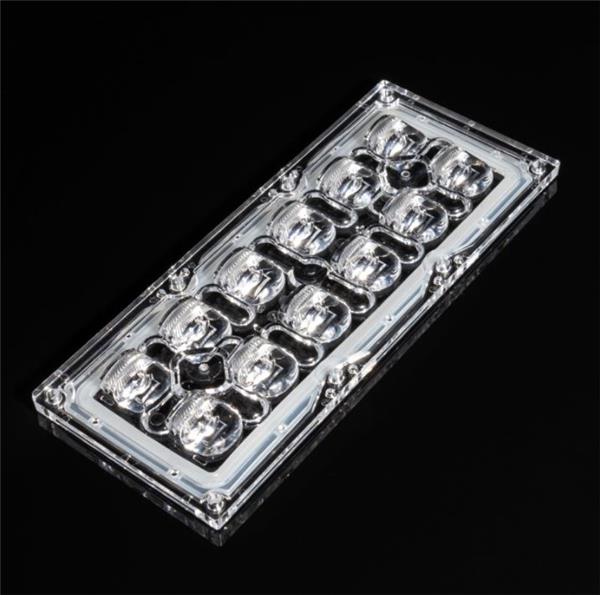
Why optics matter in LED-based designs
An LED source on its own does not always deliver the required light distribution for a finished product. Optical components help convert raw emission into a usable pattern by managing spread angle, focal behavior, brightness concentration, and visual consistency. This is especially important in equipment where visibility, precision, or signaling performance has to remain stable.
In many projects, optics are selected alongside the LED package, housing, and driver electronics rather than as an afterthought. Engineers comparing solutions in LEDs often also need matching optical parts to achieve the intended result at the system level.
Typical product roles within this category
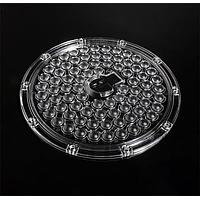
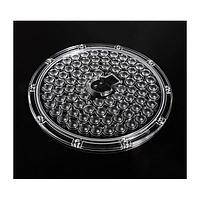
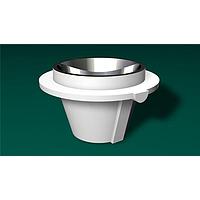
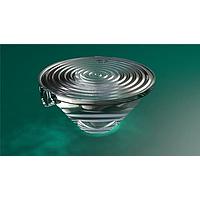
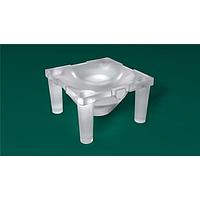
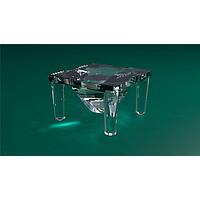
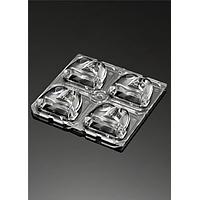
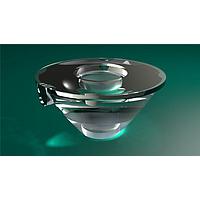
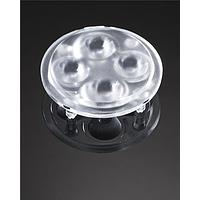
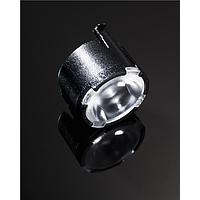
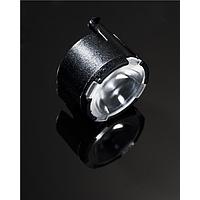
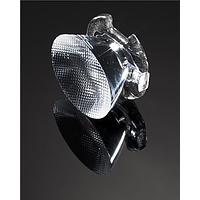
This category covers components such as lenses, reflectors, and integrated light elements that influence how illumination is delivered. Some parts are designed for compact indicator or signaling functions, while others are suited for more focused optical paths in sensing, industrial visualization, or specialty light transmission.
For example, products like the Ideal Industries 125 LED Lense/Reflector and the 3M 00261 LED Lense/Reflector represent simple optical elements used to shape emitted light. At a more application-specific level, the OMRON 3Z4S-LT MDRL-CW50 LED Lense/Reflector fits into broader industrial imaging and controlled illumination environments, where optical consistency can directly affect inspection quality.
Applications across industrial and electronic systems
LED optics appear in a wide range of use cases, from status indicators and operator interface devices to machine illumination and optoelectronic assemblies. In panel equipment, permanent light elements such as PHOENIX CONTACT 1018737 or PHOENIX CONTACT 1018264 are relevant where clear color indication and reliable visibility are required. In these cases, the optical construction contributes to how the signal is perceived under different viewing conditions.
There are also more specialized optical parts, including PANASONIC aspherical glass lens models such as EYL-GMFW491A, EYL-GMFB195ER, and EYL-GULF370. These examples illustrate how lens geometry, material choice, and focal characteristics can matter in compact optical paths, including wavelength-sensitive or precision-oriented applications. When mechanical integration is equally important, related hardware can often be explored within LED lighting mechanical components.
How to choose the right LED optical component
Selection usually starts with the intended lighting outcome. A designer may need a concentrated beam, wider distribution, stronger frontal visibility, or controlled color presentation. From there, practical factors such as shape, diameter, height, mounting constraints, and compatibility with the light source become part of the decision process.
It is also important to consider the operating environment. Temperature range, material type, and long-term optical stability may influence performance in industrial equipment or enclosed assemblies. For projects that combine optics with drive and control hardware, it can also be useful to review LED lighting electronics to ensure the full lighting system is aligned.
Examples from leading manufacturers
Several established suppliers appear in this category, each serving different optical and application needs. PANASONIC is represented by multiple aspherical glass lens options, which are relevant where compact dimensions and defined optical behavior are important. OMRON appears in the context of industrial optical assemblies, while PHOENIX CONTACT products show how optics can be integrated into signaling and permanent light elements for control environments.
Other representative items include the Ideal Industries 125 LED Lense/Reflector and the 3M 00261 LED Lense/Reflector, both useful as examples of accessory-level optical components in LED systems. Rather than selecting by brand alone, buyers typically compare optical function, mounting suitability, and system compatibility first, then narrow options by preferred manufacturer or platform.
Optics in the broader LED ecosystem
Optical parts rarely work in isolation. A complete LED assembly may include the light source, optical element, housing, thermal path, mounting hardware, and power electronics. That is why this category is often considered together with neighboring product groups, especially when building or maintaining a complete lighting module.
If the requirement is more focused on complete emitters or replaceable light sources, browsing LED bulbs and modules may help clarify the difference between the source and the optical accessory around it. This distinction is useful in B2B procurement, where one team may specify the emitter while another is responsible for beam shaping and enclosure integration.
What buyers should verify before ordering
Mechanical fit is one of the first checkpoints. Even when two optics appear similar, differences in diameter, profile, focal behavior, or intended mounting method can affect assembly performance. Verifying the target LED package or device interface helps reduce rework and mismatch during installation.
Optical purpose should also be clear from the start. Some parts are intended for beam shaping, some for indication or signaling, and others for more specific optical transmission needs. Matching the component to the real application is usually more important than choosing the broadest or most generic option.
Environmental and system conditions matter as well. Temperature exposure, duty cycle, enclosure design, and required viewing distance can all influence which optical component is appropriate. In industrial settings, these details often determine whether an LED solution performs consistently over time.
Final considerations
Choosing LED optical components is ultimately about controlling how light behaves once it leaves the source. A well-matched optic can improve visibility, support accurate sensing, enhance signaling clarity, and help a design meet its practical performance target without unnecessary complexity.
For buyers, engineers, and integrators, this category is most valuable when approached as part of the full LED system rather than as an isolated accessory list. Reviewing optical behavior, installation constraints, and application intent together will make it easier to identify the right component for a reliable and efficient design.
Get exclusive volume discounts, bulk pricing updates, and new product alerts delivered directly to your inbox.
By subscribing, you agree to our Terms of Service and Privacy Policy.
Direct access to our certified experts