EMI Filters / Suppression
Unwanted electromagnetic noise can quickly turn a stable design into a troubleshooting problem, especially in compact electronics, industrial control systems, RF assemblies, and power conversion equipment. Choosing the right EMI Filters / Suppression components helps reduce interference at the source, protect signal integrity, and support compliance-oriented design work across a wide range of applications.
This category brings together practical solutions for managing conducted and radiated noise, from filtering and shielding materials to absorber sheets and related suppression products. Whether you are refining an existing design or selecting parts for a new build, the goal is the same: improve electromagnetic compatibility without adding unnecessary complexity.
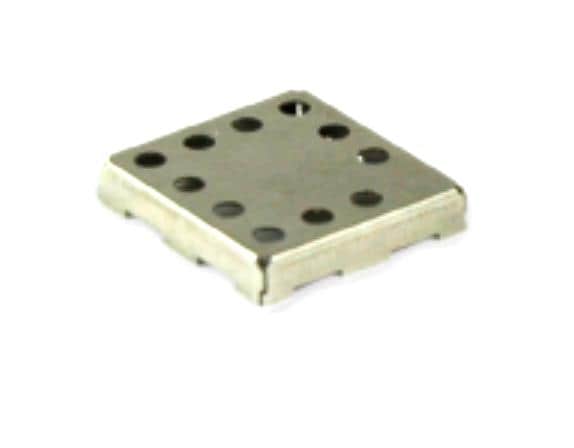
Where EMI suppression is typically used
EMI control is relevant wherever electronic circuits switch current, process high-speed signals, or operate near wireless communication systems. Power supplies, motor drives, embedded controllers, communication modules, display assemblies, and densely packed PCBs can all generate or pick up noise that affects system behavior.
In practice, suppression is rarely handled by one component alone. Designers often combine filtering, shielding, grounding strategy, and layout optimization. In systems that also rely on parts such as filters, matching the suppression method to the noise path is more useful than simply adding material or impedance at random.
Key product approaches within this category
This category covers several common ways to address electromagnetic interference. Some products are intended to suppress noise on lines carrying power or signals, while others help absorb or block radiated energy inside an enclosure or around a critical assembly.
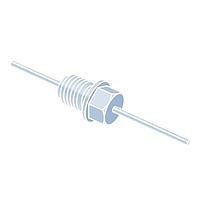
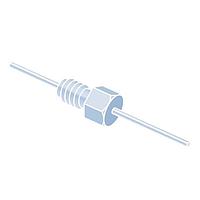
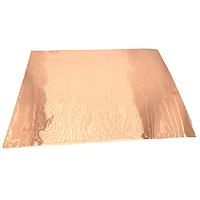
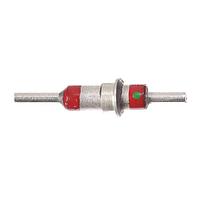
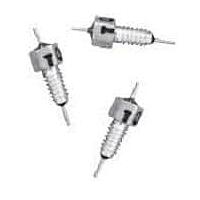
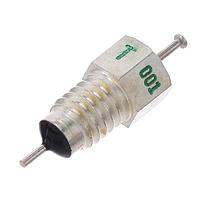
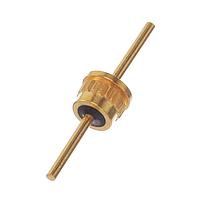
For example, noise suppression sheets and absorber materials are often used near displays, cables, housings, wireless modules, or other areas where high-frequency emissions need to be reduced. Other solutions, such as common mode filtering and feedthrough-style parts, are selected when the main concern is conducted noise entering or leaving a circuit.
Examples of materials and components available
Representative products in this range include absorber and suppression materials from Alps Alpine and 3M, along with additional thermal or shielding-related items that can support EMC-focused assembly work. For instance, the Alps Alpine HMSAW21020 Noise Suppression Sheets are specified for use across a broad frequency range, making this type of material relevant when designers need a thin, application-friendly option for high-frequency noise mitigation.
Other examples include the Alps Alpine HMKXS21020 and HMKUR21020 noise suppression sheets, as well as the 3M 7100184030 shielding absorber. Products such as 3M 5591S thermal management accessories and selected Advanced Energy items also show how EMI control can overlap with packaging, heat transfer, and mechanical integration requirements in real equipment.
How to choose the right EMI suppression solution
The best selection process starts with identifying the type of interference you are dealing with. Conducted noise on power or signal lines may call for chokes, feedthrough components, or circuit-level filtering. Radiated noise inside the device may be better addressed with sheets, gaskets, absorbers, or shielding materials placed close to the emission source or the susceptible area.
It is also important to consider operating environment, available installation space, temperature range, assembly method, and the frequency region of concern. Thin sheet materials can be useful where clearance is limited, while tape-based or pad-based products may simplify attachment to enclosures, cables, or heatsink-related structures. If the wider design also depends on stable impedance and signal conditioning, related passive components such as capacitors and inductors may play an important supporting role in the overall EMC strategy.
Material selection, mechanical fit, and integration
EMI performance is only one part of a successful implementation. Mechanical compatibility matters just as much, especially in high-density products where suppression materials must fit around connectors, shields, housings, flex assemblies, or thermal paths. Product dimensions, thickness, backing material, and mounting style can directly affect manufacturability and repeatability.
For example, sheet-based products with very low profile construction may be easier to integrate in handheld, embedded, or space-constrained designs. Tape and cloth-backed materials can be useful where electrical insulation, bundling, or localized shielding support is required. In these cases, engineers should evaluate not only nominal suppression behavior but also how the material interacts with assembly tolerances, rework processes, and long-term service conditions.
EMI control in the broader passive component ecosystem
EMI suppression does not sit in isolation. It is typically part of a larger design framework that includes power conditioning, impedance control, signal routing, and enclosure-level noise management. Depending on the application, engineers may combine suppression materials with line filtering, grounding hardware, or supporting passives to achieve the required system behavior.
That is why this category is especially useful at the system-selection stage. If you are comparing line-noise solutions, absorber materials, or shielding-related options, it can be helpful to review adjacent product groups such as resistors or RF-related building blocks in the wider passive component portfolio, particularly when the final design must balance EMC, thermal performance, and compact layout constraints.
What buyers and engineers often compare
For B2B sourcing, selection usually goes beyond basic fit. Purchasing teams and design engineers often compare product form factor, ease of installation, material type, expected frequency behavior, operating temperature, and suitability for prototype versus production use. Consistent availability and compatibility with existing assemblies are also important when moving from validation to volume deployment.
Application context matters more than a simple part-to-part comparison. A suppression sheet placed near a noise source solves a different problem than a line filter or a feedthrough device mounted at an interface boundary. Reviewing the intended installation point early can save time and reduce unnecessary redesign later in the project.
Final considerations for sourcing EMI filters and suppression products
Effective EMI control usually comes from selecting the right suppression method for the actual noise mechanism, then integrating it carefully into the electrical and mechanical design. This category is intended to support that process with practical options for filtering, shielding, absorbing, and related implementation needs.
If you are narrowing down materials or components for a new design, start with the interference path, the operating conditions, and the available space in the assembly. From there, it becomes much easier to identify suitable EMI suppression products that align with performance targets, manufacturing requirements, and long-term reliability expectations.
Get exclusive volume discounts, bulk pricing updates, and new product alerts delivered directly to your inbox.
By subscribing, you agree to our Terms of Service and Privacy Policy.
Direct access to our certified experts