DC/DC Converters
Stable voltage conversion is a basic requirement in modern electronics, but the right power architecture depends heavily on the application. In embedded systems, industrial controls, telecom equipment, and distributed power designs, DC/DC Converters help regulate, step up, step down, or isolate DC power so downstream circuits receive the level they need. This category brings together converter solutions used to improve efficiency, simplify power distribution, and support reliable operation across a wide range of system designs.
Why DC/DC conversion matters in power system design
A DC source rarely matches every load requirement in a real system. Controllers, sensors, communication modules, interface boards, and analog circuits often need different voltage rails, tighter regulation, or electrical separation from the main input bus. A properly selected DC/DC converter module helps designers manage these needs while reducing stress on sensitive electronics.
Beyond simple voltage conversion, these devices also support better overall system efficiency and layout flexibility. In many applications, they are used alongside broader power supply solutions to create a complete architecture from input conditioning to point-of-load regulation.
Typical applications across industrial and embedded environments
DC/DC converters are widely used in factory automation, process control, instrumentation, networking hardware, transportation electronics, and custom embedded assemblies. They are especially valuable where designers need compact power conversion close to the load, or where multiple subsystems must run from a shared DC source.
In battery-powered or mobile systems, converters help optimize the available energy by matching battery output to the needs of electronics and peripherals. That is one reason they are commonly considered in projects related to e-mobility power design, portable equipment, and distributed energy applications.
How to evaluate the right converter for your design
Choosing the right unit starts with the electrical basics: input voltage range, required output voltage, output current, power level, and whether the design needs isolation. Thermal conditions, available board space, regulation requirements, and allowable ripple or noise should also be reviewed early in the selection process.
For industrial and B2B procurement teams, it is also important to look at the converter’s intended integration style. Some projects prioritize compact board-level modules, while others focus on robust packaged solutions for more demanding environments. If the application includes energy storage or ride-through support, related technologies such as supercapacitor components may also be relevant in the wider power chain.
Illustrative products in this category
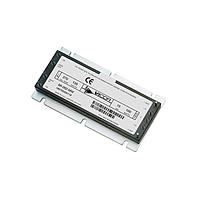
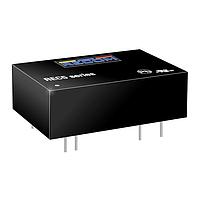
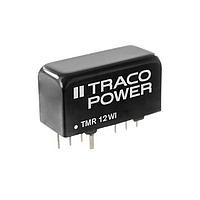
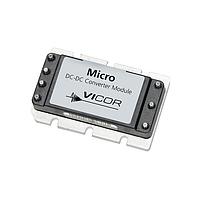
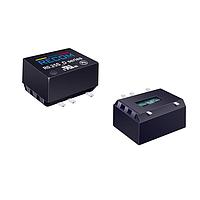
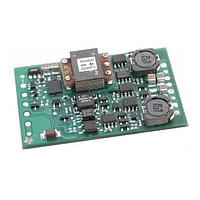
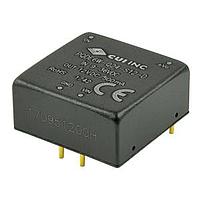
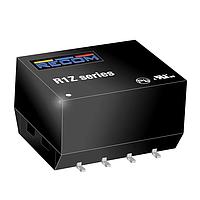
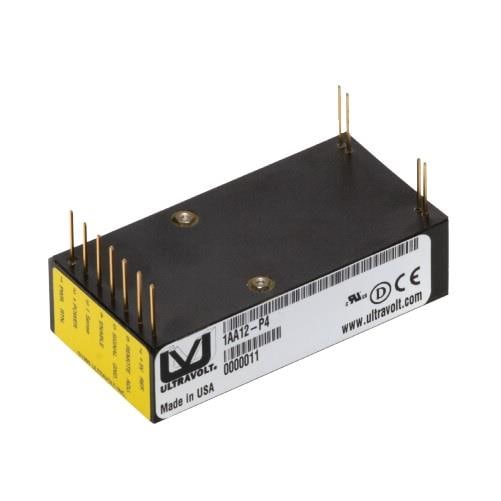
This category includes module-based options from Advanced Energy, with examples that show how broadly DC/DC conversion can be applied across different power levels and design requirements. Products such as the Advanced Energy 1AA12-P4, 1AA12-P4-25PPM, 1/4A24-P20-F, and 6A12-N4-I5-F-E illustrate compact converter module formats often used where space efficiency and straightforward integration are important.
At higher power or more specialized levels, examples such as the Advanced Energy 12C24-P250-I10-H-Z11, 12C24-P250-I10-DAR, 20A24-N30-I5-H-1, 20A24-P15-25PPM-M-1, 20C24-N125-I10-AQ, and 25C24-N60-I5-AQ-DA-H show the broader range available within the category. The Advanced Energy 4LE24-P30-10PPM-DAF-BNC and 1/4A24-N20-I10-F-M-H further reflect how module variants may be chosen for applications with more specific power conversion or interface needs.
Working with major power brands
Procurement and engineering teams often prefer to source from established manufacturers so they can align power conversion components with existing standards, qualification processes, or supply chain strategies. Within this category, recognized names include Advanced Energy, Advantech, Delta Electronics, Inc., Delta Group, Eaton, MEAN WELL, Molex, Monolithic Power Systems (MPS), Murata, and Murata Electronics.
Brand selection should not be based on name alone. In practice, engineers usually compare converter topology, mechanical format, input/output requirements, and compatibility with the rest of the system. For projects that combine conversion with charging functions or input-side power management, it can also be useful to review battery charger products in parallel.
Integration considerations for B2B buyers and engineers
In technical purchasing, the converter itself is only part of the decision. Teams often need to confirm how the device will be mounted, how it connects to the surrounding assembly, and how it behaves under expected operating conditions. This includes practical questions about thermal management, enclosure constraints, upstream protection, and downstream load behavior.
It is also worth considering the broader ecosystem of the final build. Cabling, connectors, and installation details can affect real-world performance just as much as nominal electrical ratings. A good category review therefore looks beyond individual part numbers and focuses on how the converter fits into the complete product or machine design.
Finding the right DC/DC converter category path
Some applications prioritize isolation to improve safety, reduce ground loop issues, or separate sensitive circuits from noisy input rails. Others focus on compact, high-efficiency conversion where electrical isolation is not required. Reviewing the application’s load profile and system architecture will usually make the correct path clearer before narrowing down to a specific module.
For buyers comparing options across a larger product portfolio, this category is a practical starting point for evaluating voltage conversion, module format, and design intent. From early concept work to replacement sourcing and production planning, a structured selection process helps ensure the converter supports both electrical performance and long-term integration needs.
Whether you are building a new embedded platform, updating an industrial assembly, or qualifying parts for recurring procurement, this DC/DC Converters category supports a more informed shortlist. Reviewing application needs, power requirements, and system-level constraints first will make it easier to identify the most suitable module for reliable and efficient operation.
Get exclusive volume discounts, bulk pricing updates, and new product alerts delivered directly to your inbox.
By subscribing, you agree to our Terms of Service and Privacy Policy.
Direct access to our certified experts