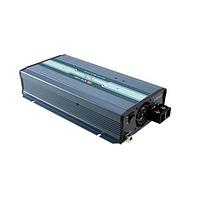
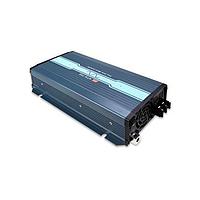
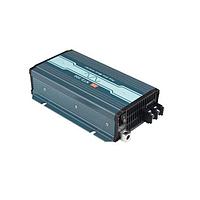
Power Inverters
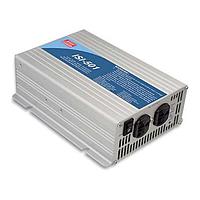
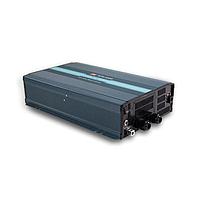
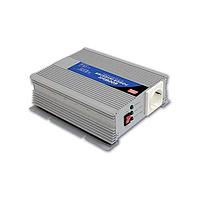
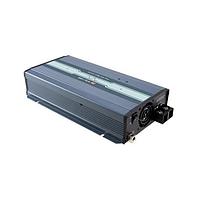
Stable AC power is essential in mobile equipment, off-grid systems, backup installations, and many industrial field applications. When the available source is DC from batteries, vehicle systems, or distributed energy storage, Power Inverters provide the practical bridge that allows standard AC devices and equipment to operate reliably within the wider power architecture.
On this category page, buyers can explore inverter solutions used across industrial, commercial, and integration-focused environments. The goal is not only to compare products, but also to understand where an inverter fits in relation to upstream DC sources, downstream loads, protection requirements, and supporting equipment such as power supplies or charging infrastructure.
Where power inverters are used in industrial and technical environments
Inverters are commonly selected whenever a system has a DC source but the load requires AC output. This can apply to service vehicles, control cabinets with battery backup, mobile workstations, remote monitoring platforms, field instrumentation, telecommunications support systems, and energy storage applications. In these scenarios, the inverter is not an isolated device; it is part of a broader power conversion chain that affects runtime, efficiency, thermal performance, and overall system reliability.
Industrial buyers often evaluate inverter use cases in terms of load type and operating conditions. Resistive loads, electronic loads, motor-driven equipment, and sensitive control devices can all place different demands on startup behavior, waveform quality, and surge capability. That is why inverter selection should always consider the real operating profile of the application, not just the nominal power rating.
Key considerations when selecting a power inverter
A practical selection process starts with the DC input source and the AC output requirement. Input voltage must match the battery bank or DC bus used in the system, while output voltage and frequency must align with the equipment being powered. It is also important to account for continuous load, short-term surge demand, installation space, cooling conditions, and expected operating duty cycle.
Another important factor is the quality of the output waveform. For many industrial electronics and sensitive devices, waveform stability and output consistency matter just as much as wattage. Buyers should also review installation constraints such as panel integration, portable deployment, wiring layout, and compatibility with related items like power cords and connection accessories.
How inverters fit into a broader power system
In many applications, a power inverter works alongside charging, storage, and distribution components rather than functioning as a standalone product. For example, a battery-based system may include charging hardware, protection devices, and DC conditioning before power reaches the inverter stage. This is especially relevant in mobile, backup, and energy transition projects where the system must remain stable under changing load and source conditions.
For buyers planning a complete architecture, it can be useful to review adjacent categories such as battery charger solutions or energy-storage-related components. In applications that prioritize short-term energy delivery, ride-through support, or peak load handling, supercapacitors may also be part of the broader design discussion.
Typical application priorities for B2B buyers
Not every project values the same performance criteria. In transport and field equipment, durability, compact installation, and tolerance to variable DC input may be key priorities. In control and automation environments, buyers may focus more on clean AC output, operational continuity, and compatibility with sensitive electronics and instrumentation.
For engineering teams, procurement decisions also depend on serviceability and lifecycle fit. An inverter chosen for a facility upgrade may need to align with existing electrical standards, maintenance practices, and spare-part strategies. In contrast, an inverter used in a new platform design may be evaluated for integration flexibility, long-term sourcing, and how well it supports future expansion into related areas such as eMobility or distributed energy systems.
Manufacturer landscape in this category
This category may include solutions associated with established industrial and power-focused manufacturers such as MEAN WELL, Eaton, DANFOSS, PHOENIX CONTACT, Murata, OMRON, and Advantech. Each brand is typically considered in the context of application fit, installation approach, system compatibility, and support for industrial operating environments rather than brand name alone.
Depending on the project scope, buyers may also compare inverter options with the wider power portfolios offered by these manufacturers, including conversion, distribution, and automation-oriented components. That broader view is often useful when building standardized platforms across multiple machines, sites, or field deployments.
What to review before placing an order
Before selecting a unit, it is worth confirming several practical points: the actual continuous and peak load, the DC source characteristics, the expected runtime, installation environment, and any restrictions related to ventilation or enclosure space. Cable sizing, grounding practices, and protective devices should also be checked as part of the complete installation, especially in higher-power applications.
It is equally important to think about the downstream equipment being powered. Some loads are highly sensitive to output quality, while others are more tolerant but may create high startup currents. A well-matched inverter helps reduce nuisance trips, instability, and premature stress on connected equipment, making the system easier to maintain over time.
Choosing the right category for your project
Power inverter selection is most effective when viewed as part of the full DC-to-AC energy path rather than a single product decision. By comparing input requirements, output needs, load behavior, and related power components, engineering and purchasing teams can narrow the options more efficiently and avoid mismatches at installation stage.
Explore this category to identify inverter solutions suited to your application, then review related power products where needed to complete the system. A clear understanding of the electrical environment, operating duty, and integration priorities will make it easier to choose equipment that supports reliable day-to-day operation.
Get exclusive volume discounts, bulk pricing updates, and new product alerts delivered directly to your inbox.
By subscribing, you agree to our Terms of Service and Privacy Policy.
Direct access to our certified experts