Environmental Sensors
Reliable sensing at the edge of a system often starts with the surrounding environment. In industrial equipment, building automation, embedded electronics, and monitoring networks, conditions such as air quality, humidity, gas presence, and corrosive exposure can directly affect performance, safety, and maintenance planning. Choosing the right Environmental Sensors category helps engineers and buyers match sensing capability to the operating conditions they actually need to measure.
This category is relevant for applications that need continuous environmental feedback, whether for product design, facility monitoring, preventive maintenance, or smart connected devices. It brings together sensor solutions used to detect changes in ambient conditions and support more informed control, logging, and alarm strategies.
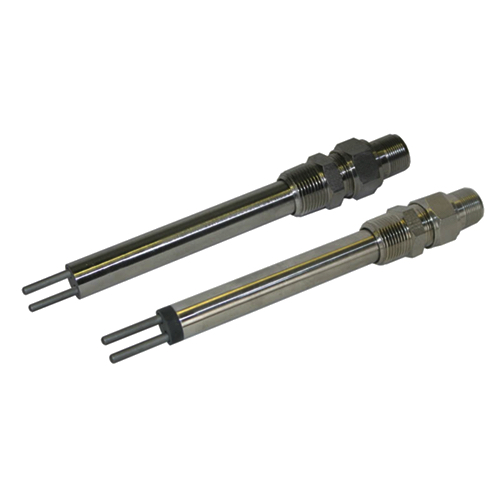
Where environmental sensors are used
Environmental sensing is widely used across industrial and commercial systems because ambient conditions influence both process stability and equipment life. Typical use cases include indoor air monitoring, HVAC control, electronics enclosure supervision, laboratory devices, warehouse condition tracking, and field-installed monitoring nodes.
These sensors are also important in products that need to react to changing surroundings rather than only measure internal system values. In many designs, environmental data is combined with inputs from board mount temperature sensors or other embedded sensing elements to create a more complete picture of operating conditions.
What this category generally covers
The scope of environmental sensing typically includes devices designed to detect or monitor ambient variables that can affect people, equipment, or process quality. Depending on the application, this may involve tracking air-related conditions, identifying corrosive environments, or supporting long-term exposure monitoring in harsh installations.
Within this area, some solutions are optimized for compact electronic integration, while others are better suited to distributed monitoring assemblies, instrument platforms, or application-specific modules. Compared with broader flow sensing solutions, environmental devices are generally focused on the condition of the surrounding medium rather than line flow itself.
Selection factors that matter in real projects
When evaluating sensors for environmental monitoring, the first step is to define the actual parameter that needs to be observed and how that data will be used. A design intended for trend logging may prioritize stability and repeatability, while a safety-oriented application may care more about response behavior, integration constraints, and alarm handling within the larger system.
It is also important to consider mounting space, interface compatibility, operating environment, and maintenance expectations. For embedded designs, engineers often compare package style, power requirements, and communication approach. For installed systems, durability, exposure conditions, and service access may be just as important as sensing performance itself.
Another practical point is system context. Environmental measurements are often more useful when correlated with adjacent inputs such as pressure, temperature, or occupancy-related variables. In that sense, this category frequently works alongside board mount pressure sensors or control hardware in broader monitoring architectures.
Environmental sensing in connected and industrial systems
As monitoring platforms become more connected, environmental sensing is increasingly used as part of remote diagnostics, predictive maintenance, and smart infrastructure. Data from ambient sensors can be sent to gateways, controllers, or cloud platforms to support alerts, visualization, or automated adjustments in ventilation and equipment protection strategies.
For OEM and system integrator projects, that makes component selection more than a simple parts decision. The sensor must fit the communication structure, power budget, and expected duty cycle of the device or installation. This is especially relevant in edge systems and industrial computing platforms, where manufacturers such as Advantech are often considered in broader automation and embedded ecosystems.
Manufacturer landscape and integration considerations
This category can be relevant to buyers working with a wide range of component and subsystem suppliers. Depending on the design approach, teams may look for compact sensor-friendly platforms, mixed-signal integration, or accessible prototyping options before moving into production sourcing.
For example, Adafruit may be familiar in early-stage evaluation, educational development, and rapid prototyping workflows, while suppliers such as Analog Devices, Amphenol, Allegro MicroSystems, or Alps Alpine may be more relevant when considering broader component ecosystems and long-term design integration. The right choice depends less on brand visibility and more on application fit, available interfaces, and the maturity of the target product.
How to narrow down the right sensor category
If the project requirement is still broad, it helps to start by asking what problem needs to be solved in operation. Is the goal to monitor ambient air conditions, detect environmental degradation, improve occupant comfort, protect electronics, or feed data into a control loop? Clarifying that purpose will quickly narrow the suitable sensing approach.
From there, buyers can compare whether they need a general environmental monitoring device or a more specialized branch of sensing. Some applications may overlap with bio sensors or other specialized technologies, but environmental sensing is usually the more appropriate path when the focus is on ambient surroundings, enclosure conditions, or exposure-related measurement.
Choosing with long-term operation in mind
In B2B environments, sensor selection should account for the full lifecycle of the equipment, not only initial functionality. Calibration needs, expected drift, environmental exposure, integration effort, and replacement planning can all influence total system cost and maintenance complexity over time.
A well-matched environmental sensor supports more reliable monitoring, clearer operational visibility, and better system decisions. Whether the requirement involves compact embedded hardware or wider facility monitoring, this category provides a practical starting point for identifying sensing components that align with real operating conditions and integration needs.
Get exclusive volume discounts, bulk pricing updates, and new product alerts delivered directly to your inbox.
By subscribing, you agree to our Terms of Service and Privacy Policy.
Direct access to our certified experts