Magnetic Sensors
Reliable position feedback, speed detection, and non-contact switching are common requirements in modern electronic and industrial designs. In many of these applications, magnetic sensors provide a practical way to detect movement or magnetic field changes without physical contact, helping improve durability, response time, and overall system stability.
This category brings together magnetic sensing components used in embedded electronics, automation devices, and control systems. Whether the goal is to sense rotation, detect current through a Hall element, or monitor the presence of a magnetic target, these devices support compact and efficient design across a wide range of applications.
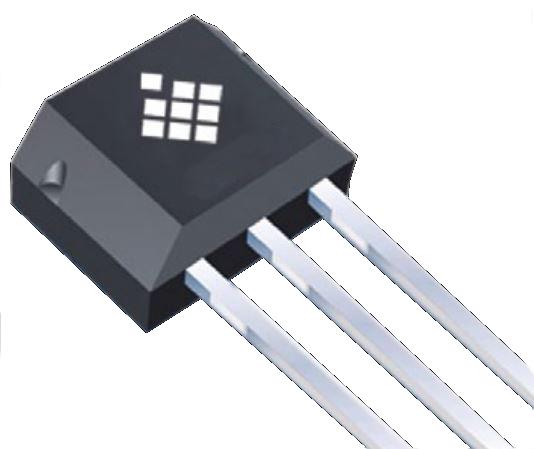
Where magnetic sensors are commonly used
Magnetic sensing is widely used when designers need non-contact detection in environments where mechanical wear, dust, vibration, or repeated motion can affect other sensing methods. Typical use cases include position sensing in moving assemblies, proximity detection, rotational speed measurement, and current sensing in electronic circuits.
Compared with some other sensor types, magnetic devices can be especially useful when the target does not need direct physical contact with the sensing element. In broader sensing architectures, they are often selected alongside solutions such as board mount temperature sensors or board mount pressure sensors when a design needs multiple feedback points for monitoring and control.
Hall effect sensing and magnetic field detection
A large part of this category is centered on Hall effect sensing. These devices respond to magnetic fields and convert that change into an electrical signal, making them useful for presence detection, pole detection, speed sensing, and related functions. Depending on circuit requirements, designers may choose parts intended for switching behavior or devices suited to more linear field measurement.
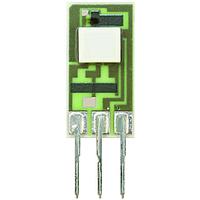
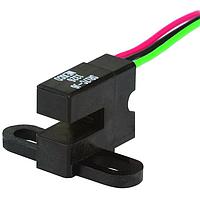
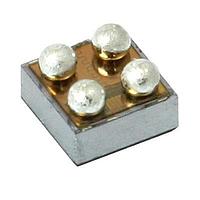
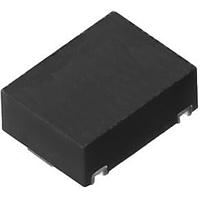
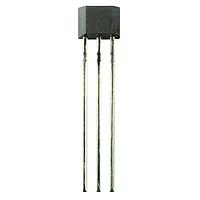
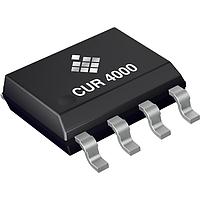
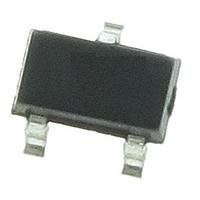
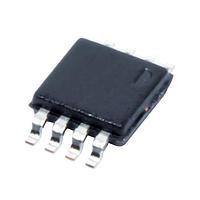
Products in this category illustrate that range well. Examples include the Allegro MicroSystems A1180ELHLT, A1383ELHLT-T, A3240ELTTR-T, and A3517SUA-TL, as well as the Asahi Kasei Microdevices (AKM) EW-450B Magnetic sensor (Hall element). These examples help show how magnetic sensing can fit different integration levels, from compact board-level electronics to more application-specific assemblies.
Representative manufacturers in this category
Several established suppliers are associated with magnetic sensing solutions, including Allegro MicroSystems, Asahi Kasei Microdevices (AKM), and BAUMER. Each name may be relevant in different design contexts, from semiconductor-oriented Hall devices for PCB integration to components used in motion and automation-related systems.
Among the representative products listed here are the Allegro MicroSystems ACS773LCB-050B-PFF-T, A1172ECGLT, ATS673LSETN-LT-T, and ATS665LSGTN-T, along with the BAUMER GIM140R-M1090.KC0.A. Rather than treating all magnetic sensors as interchangeable, it is usually better to evaluate the sensing principle, output behavior, mounting style, and intended application environment before selecting a part.
How to choose the right magnetic sensor
Selection usually starts with the sensing task itself. Some projects need simple magnetic presence detection, while others need signal output tied to rotation, speed, or current measurement. A designer should first define whether the application calls for target detection, field measurement, or integration into a more specialized subsystem.
Next, review practical electrical and mechanical requirements. In this product set, some listed parts reference Hall effect operation and supply options such as 1.8 V, 2.5 V, 3.3 V, or higher application voltages depending on the model. For example, the Allegro MicroSystems A1172ECGLT is associated with multiple low-voltage supply options, while ATS-series parts shown in this category indicate broader application voltage ranges. These details matter because system voltage, interface requirements, and packaging constraints can affect both performance and layout decisions.
It is also important to consider the surrounding application environment. If the overall design includes additional sensing needs such as airflow or ambient condition monitoring, users may also review related categories like flow sensors & pitot tubes or environmental sensors to build a more complete measurement system.
Examples of product roles within the category
Not every magnetic sensor serves the same role in a design. Some parts are suited to compact board-level electronics where the main need is signal detection from a nearby magnet. Others are used in applications involving rotational targets, module-style implementation, or current-related magnetic measurement.
For example, the Allegro MicroSystems A1366LKTTG-10-T and A3282LUA-T are representative Hall effect devices for magnetic field sensing at the component level. The ATS673LSETN-LT-T and ATS665LSGTN-T, presented as Hall effect sensor modules in SIP format, point to use cases where installation format and interface style are also important. Meanwhile, the ACS773LCB-050B-PFF-T highlights how magnetic sensing may extend beyond simple position detection into electrical measurement-related applications based on magnetic field principles.
Why magnetic sensing remains relevant in modern designs
As electronic systems become more compact and more dependent on reliable feedback, magnetic sensing continues to offer a useful balance of simplicity, robustness, and integration flexibility. Because operation is based on magnetic field interaction rather than direct mechanical contact, these sensors are often chosen where long service life and repeatable switching are important.
This makes them relevant in industrial electronics, embedded control boards, consumer devices, and application-specific modules. When matched correctly to the target geometry, supply conditions, and expected output behavior, magnetic sensors can support stable system operation without adding unnecessary mechanical complexity.
Find magnetic sensors that fit your application
Choosing from a broad magnetic sensing range is easier when the application requirement is clearly defined first. Looking at sensing method, voltage compatibility, package style, and the role of the device in the wider system will usually narrow the shortlist quickly and more effectively than comparing models by name alone.
This category is intended to help engineers, buyers, and technical teams compare relevant options from recognized manufacturers and identify suitable components for field detection, Hall effect sensing, motion feedback, and related electronic design tasks.
Get exclusive volume discounts, bulk pricing updates, and new product alerts delivered directly to your inbox.
By subscribing, you agree to our Terms of Service and Privacy Policy.
Direct access to our certified experts