Board Mount Hall Effect / Magnetic Sensors
Reliable magnetic field detection is a core requirement in many electronic designs, from position sensing and speed feedback to current measurement and contactless switching. For engineers selecting compact sensing components for PCB-based assemblies, Board Mount Hall Effect / Magnetic Sensors provide a practical way to detect magnetic changes directly at the board level while supporting space-saving, low-maintenance designs.
These sensors are widely used in industrial electronics, embedded systems, automotive-related circuits, and smart devices where non-contact detection improves durability and repeatability. This category brings together board-mount solutions built around Hall effect and related magnetic sensing principles, making it easier to compare device types for integration into new designs or replacement workflows.
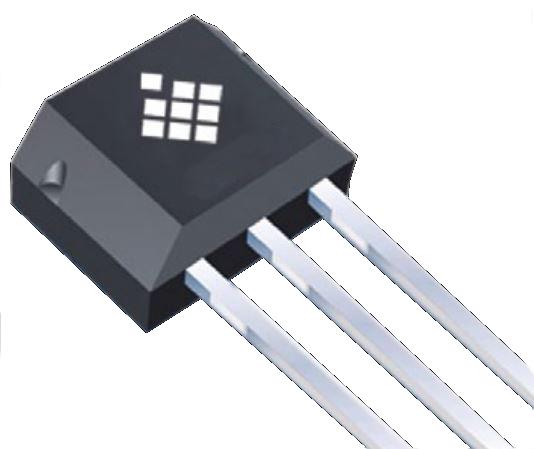
Where board-mount magnetic sensors fit in electronic design
Unlike larger external sensing assemblies, board-mount devices are intended to be integrated directly onto the PCB or into compact electronic modules. This makes them well suited for systems where mechanical packaging, connector count, and assembly efficiency are important. Typical use cases include proximity detection, rotor position sensing, end-of-travel confirmation, tamper detection, and magnetic target monitoring.
Because the sensing method is non-contact, these components can help reduce wear compared with mechanical switches. They are also useful in environments where sealed designs, repeated actuation, or simple magnetic triggering are preferred. If you need a broader view across related technologies, you can also explore magnetic sensor solutions in the wider product range.
Why Hall effect sensing remains widely used
The Hall effect is a proven method for detecting magnetic fields in compact electronic systems. In practical terms, a Hall sensor responds to the presence, absence, or strength of a magnetic field and converts that change into an electrical output. Depending on the design, that output may be used for simple switching, threshold detection, or more continuous signal measurement.
This flexibility is one reason Hall-based sensors are found across so many applications. Designers can use them to detect movement without direct contact, monitor rotating elements, or infer electrical conditions such as current when paired with suitable magnetic structures. The result is a sensing approach that supports both small consumer electronics and more demanding industrial or transportation-related systems.
Common selection factors for this category
Choosing the right part usually starts with the behavior you need from the sensor. Some applications need a straightforward on/off response when a magnet reaches a certain point, while others require a more proportional output related to magnetic field intensity. Mounting style, package format, target geometry, operating voltage, and the expected magnetic source all affect suitability.
Electrical integration is just as important. In this category, you may encounter devices intended for low-voltage electronics as well as parts designed for broader supply ranges. For example, the Allegro MicroSystems A1172ECGLT is listed with 1.8 V, 2.5 V, and 3.3 V supply options, which can be relevant for modern embedded designs. Other models, such as the ATS665LSGTN-T and ATS673LSETN-LT-T, indicate wider supply ranges and application-specific integration considerations.
Representative products in this range
Several parts in this category illustrate how board-mount magnetic sensing can serve different design goals. The Asahi Kasei Microdevices (AKM) EW-450B is identified as a magnetic sensor based on a Hall element, making it a suitable example of a compact board-level detection component. From Asahi Kasei Microdevices (AKM), such devices are typically relevant when engineers need dependable PCB integration in space-constrained assemblies.
Allegro MicroSystems is especially well represented in this category, with examples such as the ACS773LCB-050B-PFF-T, A1180ELHLT, A1383ELHLT-T, A3240ELTTR-T, and A1366LKTTG-10-T. These listings show the breadth of Hall-based sensing options available for different circuit requirements. The BAUMER GIM140R-M1090.KC0.A also highlights how magnetic sensing can extend into position-related and industrial-oriented applications where robustness and repeatable feedback are important.
Typical application areas
Board-level magnetic sensing is often selected when engineers want to avoid physical contact between the moving part and the sensing element. This is useful in motor control assemblies, encoder-related positioning, lid or door state detection, fluid handling systems, compact actuators, and embedded control boards. In these cases, a magnet mounted on the moving object can be read by a stationary sensor on the PCB.
Another important application area is electrical monitoring. Certain Hall-based devices are used in current sensing architectures because magnetic field detection allows measurement without placing the sensing element directly in the signal path in the same way as some resistive methods. That makes magnetic sensing attractive where isolation strategy, heat, or compact integration matter in the overall design.
How to narrow down the right device
A good starting point is to define the magnetic event you need to detect: presence, polarity, threshold, rotation, position, or current-related field change. From there, review package constraints, supply voltage compatibility, and how the sensor output will connect to the rest of the circuit. In many projects, the mechanical relationship between the magnet and the PCB is just as critical as the electrical specification.
It is also helpful to think about system-level conditions early in the selection process. Temperature range, placement tolerance, EMI exposure, switching speed, and target repeatability can all influence which part family is the better fit. For projects focused specifically on PCB-integrated components, this board-mount Hall effect and magnetic sensor range is the most relevant place to compare compact options.
Manufacturer coverage and sourcing context
This category includes products from recognized sensor and component suppliers, with notable representation from Allegro MicroSystems, Asahi Kasei Microdevices (AKM), and BAUMER. The broader manufacturer landscape in the magnetic sensing field also includes names such as ams OSRAM, Analog Devices, Alps Alpine, BOSCH, and Bosch Sensortec, which helps create a stronger sourcing context for engineers evaluating alternatives within established ecosystems.
For B2B buyers, that matters because component selection is rarely based on one parameter alone. Availability, preferred vendor alignment, packaging format, and fit with existing platform standards often influence the final decision. A well-structured category page supports that process by grouping relevant parts under a technically consistent sensing principle rather than forcing users to sift through unrelated sensor types.
Final considerations for design and procurement
When evaluating board-mount magnetic sensors, the most effective approach is to balance sensing behavior, PCB integration, mechanical target design, and operating conditions. A suitable part should not only detect the magnetic event correctly, but also fit the wider electrical and mechanical constraints of the finished assembly.
This category is intended to support that comparison process with a focused selection of Hall effect and magnetic sensing components for PCB-based applications. Whether you are refining a new design, qualifying alternates, or sourcing for production, a clearer understanding of application type and signal behavior will help you identify the most appropriate device more efficiently.
Get exclusive volume discounts, bulk pricing updates, and new product alerts delivered directly to your inbox.
By subscribing, you agree to our Terms of Service and Privacy Policy.
Direct access to our certified experts