Motion & Position Sensors
Reliable machine feedback starts with accurate sensing. In industrial equipment, automation systems, and embedded designs, Motion & Position Sensors help monitor movement, detect displacement, confirm alignment, and support condition-based decisions that reduce downtime and improve control.
This category is relevant for engineers and procurement teams looking for sensing components used in rotating equipment, motion monitoring, positioning tasks, and vibration-related diagnostics. It covers devices that fit into broader sensing architectures, where movement data often works alongside temperature, pressure, or environmental measurements to give a more complete view of machine behavior.
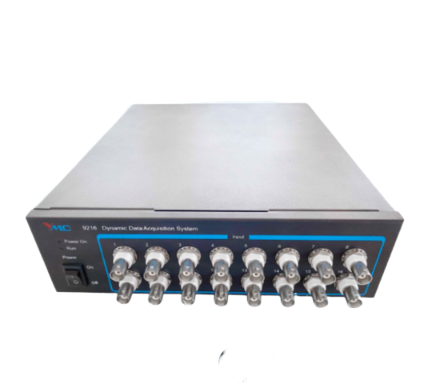
Where motion and position sensing is used
Motion and position sensing appears across factory automation, process equipment, mobile machinery, and test systems. These sensors are commonly selected when a system needs to confirm that a component is moving as expected, detect a change in mechanical state, or identify abnormal vibration before it develops into a larger maintenance issue.
Typical use cases include motor and pump monitoring, rotating asset supervision, machine health checks, actuator feedback, and equipment protection. In many projects, these devices are part of a wider sensor network that may also include board mount temperature sensors or other condition-monitoring elements to support diagnostics and preventive maintenance.
Why vibration-related sensing matters in this category
Within motion and position applications, vibration sensing is especially important because it provides early insight into imbalance, looseness, wear, and other mechanical changes. A stable machine usually shows a predictable vibration pattern, while abnormal movement can indicate the need for inspection, balancing, or replacement of critical parts.
This is why vibration-focused products are often associated with rotating machinery and industrial reliability programs. For buyers comparing options, it is useful to think beyond the sensor alone and consider the full measurement chain: mounting method, signal compatibility, operating environment, and how the output will be interpreted by a PLC, monitoring system, or analytics platform.
Representative products in this range
This category includes several vibration sensor models from Amphenol, such as Amphenol PC420VR-10, Amphenol PC420VR-20, Amphenol PC420VR-30-DA, and Amphenol PCC421VR-20-R6. These examples show the practical focus of the category: industrial sensing for motion-related monitoring rather than simple consumer-level detection.
Other listed models, including Amphenol PC420VR-10-DV, Amphenol PC420VR-10-EX, Amphenol PC420VR-10-IS, Amphenol PC420VR-20-EX, and Amphenol PC420VR-20-IS, illustrate that buyers may encounter variants intended for different installation and operating requirements. When reviewing product pages, it is important to compare the intended application context rather than choosing only by model name.
How to choose the right motion and position sensor
The first step is to define what kind of movement must be measured or detected. Some applications need continuous vibration information, while others only need confirmation of speed, state change, or position. The measurement objective will influence the preferred sensing principle, mounting style, and electrical interface.
Next, consider the operating environment. Industrial installations may expose the sensor to heat, contamination, moisture, cable stress, or hazardous-area requirements. Signal integration also matters: the chosen device should fit the input expectations of the control or monitoring system and support the response time and reliability the application demands.
It is also useful to evaluate whether the project needs a broader sensing combination. For example, airflow or process changes may be monitored separately with flow sensors & pitot tubes, while machine condition can be correlated with motion-related measurements for more informed maintenance planning.
Selection factors for industrial buyers
For B2B sourcing, sensor selection is usually tied to lifecycle cost and maintainability as much as initial specification fit. Procurement teams often look for consistency across installed assets, replacement availability, and compatibility with existing wiring and monitoring infrastructure. Engineering teams, meanwhile, focus on repeatability, installation practicality, and how easily the signal can be used in control or diagnostic workflows.
When comparing products in this category, pay attention to the application type, installation constraints, and whether the device is intended for direct machine monitoring or for integration into a larger sensor assembly. A well-chosen industrial sensor can simplify commissioning and make future maintenance easier, especially in facilities where multiple machines follow similar design standards.
Relationship to other sensor categories
Motion and position sensing rarely works in isolation. In many systems, movement data becomes much more useful when it is interpreted together with surrounding process conditions. Depending on the machine or product being monitored, that could include pressure, temperature, flow, or ambient measurements.
For that reason, engineers building a complete sensing architecture may also review related categories such as board mount pressure sensors or environmental sensors. These combinations are common in predictive maintenance, equipment monitoring, and embedded control systems where no single measurement tells the full story.
What to look for on product pages
Once the application is defined, the product page becomes the best place to narrow the shortlist. Buyers should check whether the sensor aligns with the intended motion-related use case, installation style, and system interface. Product naming may indicate family or variant differences, but the real comparison should be based on fit within the equipment design and maintenance plan.
For example, models such as Amphenol PC421VR-10-IS, Amphenol PC420VR-20-DA, and Amphenol PC420VR-20-DV may belong to the same broader solution space while still serving different project requirements. Reviewing each item in context helps avoid mismatches during integration, especially in industrial environments where reliability and safety expectations are higher.
Supporting better monitoring and control decisions
Motion & Position Sensors play a practical role in modern machine monitoring by turning physical movement into usable data. Whether the goal is equipment protection, condition monitoring, or feedback for automation, the right sensor choice depends on understanding both the mechanical behavior being observed and the system that will use the signal.
If you are comparing options in this category, focus on application fit, environment, and integration needs first. That approach makes it easier to identify suitable products, evaluate related sensing technologies, and build a more dependable measurement strategy for industrial and embedded systems.
Get exclusive volume discounts, bulk pricing updates, and new product alerts delivered directly to your inbox.
By subscribing, you agree to our Terms of Service and Privacy Policy.
Direct access to our certified experts