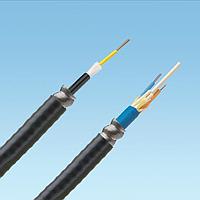
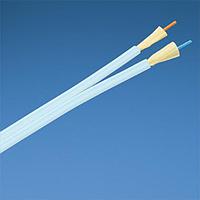
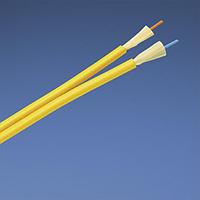
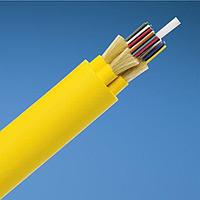
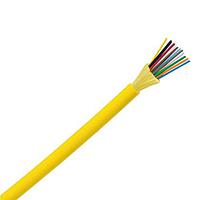
Fiber Optic Cables
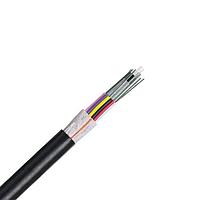
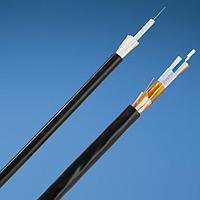
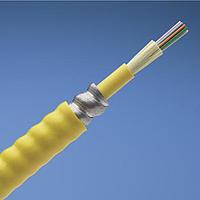
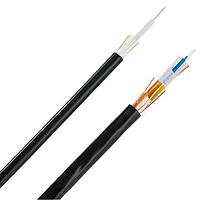
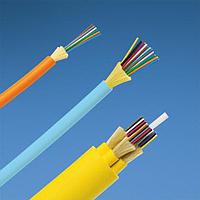
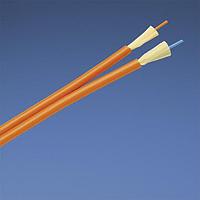
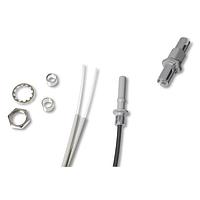
Reliable data transmission often depends on more than bandwidth alone. In industrial networks, telecom infrastructure, control cabinets, test environments, and high-density electronic systems, fiber is chosen when low signal loss, electrical isolation, and support for longer transmission distances matter. This makes Fiber Optic Cables a practical category for engineers and buyers who need stable optical links across demanding applications.
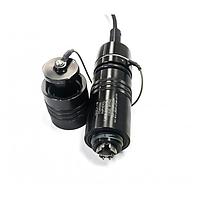
On this page, the focus is on cable assemblies built for optical communication and signal transport. Whether the requirement is clean transmission in electrically noisy environments or dependable connectivity between devices, racks, panels, or network segments, fiber cabling plays a central role in modern B2B systems.
Why fiber optic cabling is used in technical and industrial environments
Fiber optic communication uses light rather than electrical signals to carry data, which brings several advantages in professional installations. Because the medium is non-conductive, it is inherently resistant to electromagnetic interference, making it well suited for plants, machine areas, and installations with motors, power equipment, or dense wiring.
Another common reason to specify fiber is transmission distance. Where copper solutions may face attenuation or noise limitations, optical cabling can help maintain signal quality over longer runs. This is especially relevant in structured network backbones, machine-to-machine links, data-intensive systems, and installations that need predictable performance over time.
Typical applications for fiber optic cable assemblies
This category is relevant across a wide range of sectors, from factory automation and industrial networking to data communications, instrumentation, and building infrastructure. In many projects, fiber is selected for backbone links between cabinets, links between control rooms and remote equipment, or connections where high-speed data must travel without being affected by surrounding electrical equipment.
Fiber cabling is also common in systems that need organized, scalable connectivity. Integrators may use it in patching environments, telecommunications racks, OEM equipment, and network expansion projects. In mixed installations, it can complement other media such as Ethernet and networking cables where copper remains suitable for shorter endpoint connections while optical links serve backbone or higher-performance segments.
How to evaluate the right cable for your project
Choosing the right assembly starts with the installation context rather than the product name alone. Buyers typically review required transmission distance, connector compatibility, routing conditions, mechanical protection, bend sensitivity, and whether the cable will be used in a panel, rack, machine, or wider facility network. These factors often determine whether a standard patch-style solution is enough or whether a more application-specific assembly is needed.
It is also important to think about the broader connectivity ecosystem. A fiber link may need to interface with switching hardware, media converters, transceivers, or enclosure-level pass-through components. In projects that combine multiple signal types, teams may also compare optical solutions with categories such as computer cables or D-Sub cables depending on the device interface and signal type involved.
What matters in day-to-day installation and maintenance
Beyond transmission performance, installation practicality has a major impact on lifecycle reliability. Routing space, connector access, labeling, strain relief, and protection against handling damage all affect how well a fiber assembly performs after deployment. In industrial and commercial projects, a cable that is easy to identify, route, and maintain can reduce troubleshooting time and support cleaner cabinet or rack design.
Maintenance teams also tend to look for consistency across deployed infrastructure. Standardized cable selections can simplify replacement, improve documentation, and support future upgrades. This matters even more in environments where fiber links are part of larger communication chains that include network hardware, sensors, controllers, or test equipment.
Manufacturers commonly considered in this category
Brand selection in fiber cabling is often influenced by compatibility, application environment, and existing standards within the project. Buyers frequently look to established suppliers such as Amphenol, Belden, Corning, HARTING, and HellermannTyton when evaluating options for connectivity and cable infrastructure. Each may fit different installation priorities, from industrial robustness to structured communication needs.
Other manufacturers in the broader ecosystem, including Banner Engineering, Broadcom, Coherent, Eaton, and Festo, may also be relevant depending on the surrounding system architecture. In practice, the best fit usually comes from matching the cable assembly to the operating environment, interface requirements, and maintenance expectations rather than choosing by brand alone.
Fiber optic cables within a broader cabling strategy
Many organizations do not source fiber in isolation. Instead, they build a complete cabling strategy around signal type, distance, environmental exposure, and future scalability. Fiber often serves the high-speed or long-distance portion of an installation, while other cable categories handle endpoint devices, A/V distribution, or networking at the edge.
For example, some projects may pair optical backbone links with audio and video cable assemblies in control rooms or multimedia systems. Looking at the full signal path helps procurement teams and engineers avoid mismatched components and create a more maintainable system overall.
Practical buying considerations for B2B sourcing
For purchasing teams, the key is to balance technical suitability with operational efficiency. That usually means reviewing connector format, intended use, handling conditions, and how the cable will integrate with installed equipment. Clear identification of the application helps narrow the options more effectively than relying on generic product descriptions.
If the requirement involves industrial communication, telecom-style links, cabinet interconnects, or infrastructure upgrades, fiber assemblies can provide a dependable path for optical transmission while reducing issues associated with electrical noise. A careful review of the installation environment and interface needs will usually lead to a more reliable selection.
Fiber optic cabling remains an important part of modern technical infrastructure because it supports clean signal transmission, scalable network design, and dependable performance in environments where copper may be less suitable. For engineers, integrators, and sourcing teams, the right choice comes from understanding how the cable will be installed, what it must connect, and how it fits into the wider system architecture.
Get exclusive volume discounts, bulk pricing updates, and new product alerts delivered directly to your inbox.
By subscribing, you agree to our Terms of Service and Privacy Policy.
Direct access to our certified experts