Pushbutton Switches
Whether you are designing a control panel, updating an operator station, or building a simple user interface, the switch you choose has a direct impact on usability and reliability. Pushbutton switches are widely used because they provide an immediate, intuitive way to start, stop, trigger, or reset a function in machines, instruments, kiosks, and embedded systems.
Within this category, you will find options suited to compact electronics as well as panel-mounted operator interfaces. The range includes standard momentary buttons, illuminated models for better status visibility, arcade-style buttons for interactive equipment, and more rugged metal designs for demanding environments.
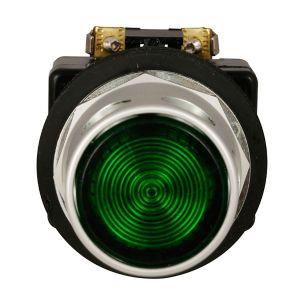
Where pushbutton switches fit in industrial and electronic systems
A pushbutton switch is typically selected when an action should occur only when the user presses the actuator, or when a clear manual input is needed at the front of a device. In practice, these switches are common in control boxes, test fixtures, HMI panels, vending interfaces, machine start or reset circuits, and custom equipment builds.
Compared with more application-specific devices such as safety switches, pushbuttons are generally used for direct operator input rather than protective interlocking. They can also complement other switching technologies, including solid state switch solutions, when a manual command is needed in a broader control architecture.
Common types available in this category
This selection covers several practical formats. Momentary pushbuttons are common where the contact should change state only while pressed, making them suitable for trigger, jog, call, and reset functions. Many of the listed products use SPST-NO configurations, which are often chosen for straightforward input signaling.
You will also see illuminated pushbuttons, which add visual feedback and improve visibility in low-light environments or crowded panels. Front panel mount designs are especially useful when a clean external interface is needed, while quick-connect or solder terminals support different assembly preferences.
Some products in this category are styled for interactive equipment, such as arcade-format buttons with large round actuators. Others are more compact, such as low-stroke tactile-style parts intended for smaller electronic assemblies. For applications that require a more robust front-end component, a metal anti-vandal style button may be a better fit.
Representative products and what they are suited for
The range of products here illustrates how broad the category can be. The Alps Alpine SPEH210100 Push Button Switch is a compact example with a short 1 mm stroke, making it relevant for electronic designs where space and tactile input matter. At the other end of the spectrum, the Amphenol NX303001R-02 Push Button Switch is positioned for applications that need a higher current-rated pushbutton.
For visible, panel-facing controls, several Adafruit models stand out. Parts such as the Adafruit 492 panel-mount round button, the Adafruit 491 illuminated square pushbutton, and the Adafruit 481 rugged metal pushbutton with blue LED ring show how actuator shape, illumination, and mounting style can vary depending on the interface design.
If the project involves larger user-facing controls, arcade-style products such as the Adafruit 1193 Large Arcade Button with LED - 60mm Green or the Adafruit 1188 Massive Arcade Button with LED - 100mm Green may be more appropriate. These are often considered when visibility, ease of activation, and front-panel presence are more important than compact size.
How to choose the right pushbutton switch
The first step is to define the switching behavior. A momentary action is suitable when the signal should be active only during pressing, while other circuits may require different contact arrangements depending on the control logic. Circuit type, such as SPST-NO or SPDT, should always match the intended electrical function.
Next, look at mounting and operator interface requirements. Panel cutout size, actuator shape, and button visibility all affect integration. A 16 mm metal pushbutton creates a different user experience from a 24 mm or 30 mm illuminated round button, and both differ significantly from oversized arcade-style designs intended for highly visible interaction points.
Electrical and environmental considerations also matter. Rated current, voltage, operating temperature, and terminal style influence whether a switch is better suited to signal-level electronics, low-voltage illuminated panels, or heavier-duty switching tasks. If the installation also requires isolation or maintenance disconnection elsewhere in the system, it may be helpful to review related devices such as disconnect switches.
Design considerations for panel builders and OEMs
For B2B buyers, selecting a pushbutton is not only about the switch itself. It is also about panel layout, serviceability, and long-term consistency across builds. Front panel mount models with quick-connect terminals can simplify assembly and replacement, while illuminated options can reduce operator error by making active controls easier to identify.
In equipment with frequent use, actuator size and feel are important. A larger button can improve accessibility when operators wear gloves or need fast input confirmation. In compact control electronics, however, lower-profile parts from manufacturers such as Alps Alpine may align better with dense board-level or embedded interface designs.
Accessories may also be relevant during implementation, especially when panel sealing, mounting hardware, or related parts are needed to complete the installation. In those cases, browsing other switch accessories can help round out the overall assembly.
Manufacturers commonly considered in this category
This category includes products associated with recognized names in switches and interconnect-related components, including Adafruit, Alps Alpine, and Amphenol. The broader manufacturer landscape also includes brands such as Alcoswitch - TE Connectivity, AMP Connectors - TE Connectivity, Autonics, Banner Engineering, Bourns, CHERRY, and C&K, which are often considered when buyers need different formats, actuation styles, or integration preferences.
Choosing among manufacturers usually depends less on brand alone and more on the practical fit: mounting method, current level, illumination requirement, mechanical feel, and expected usage environment. For engineering teams and procurement professionals, this makes the category useful as a comparison space rather than just a list of similar-looking parts.
Finding a suitable option for your application
A well-matched pushbutton improves operator interaction, supports cleaner panel design, and helps the control system behave as intended. From compact tactile-style parts to illuminated front-panel buttons and rugged metal versions, this category supports a wide range of use cases across industrial equipment, prototypes, embedded products, and custom interfaces.
If you are narrowing down options, start with the basics: circuit type, mounting format, actuator size, illumination, and electrical rating. That approach will usually lead you to a pushbutton switch that fits both the user experience and the technical requirements of the system.
Get exclusive volume discounts, bulk pricing updates, and new product alerts delivered directly to your inbox.
By subscribing, you agree to our Terms of Service and Privacy Policy.
Direct access to our certified experts