For full functionality of this site it is necessary to enable JavaScript.
EMIN.COM.MM
0

Current occupational safety standards: clear safety, comfortable working environment.

03/04/2026 14:16:36

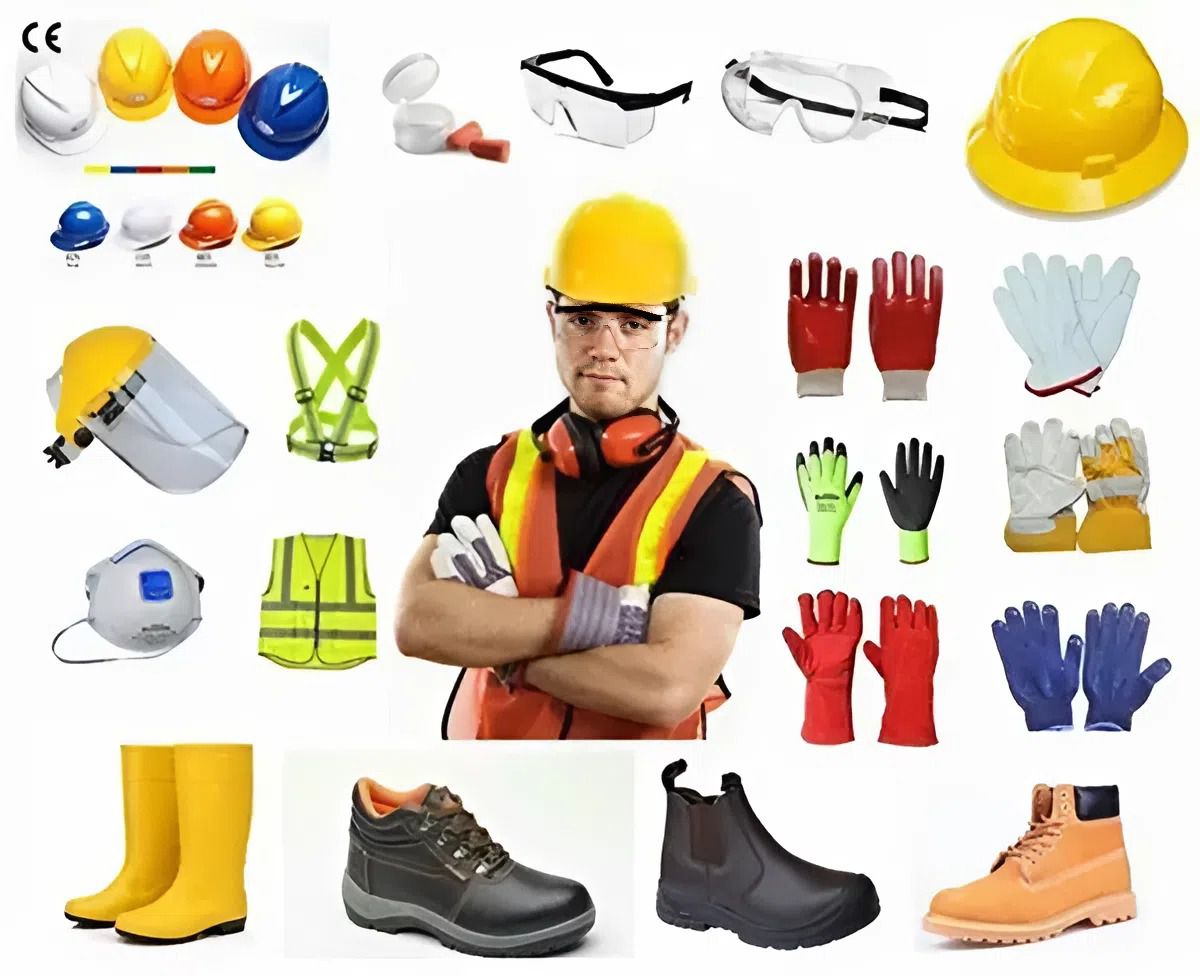
In industrial environments, many people used to be reluctant to wear protective clothing because it was hot, heavy, and cumbersome to wear while working. In recent years, the design of protective clothing has changed significantly. Materials are more durable yet lighter, and the clothing is more streamlined to allow workers to move, climb, or operate machinery comfortably throughout their shifts.

Everyday work clothes and safety shoes for the construction site

Vicadi work safety clothing is widely used on construction sites and in mechanical workshops. The thick canvas fabric offers good abrasion resistance when in contact with concrete, metal, or rough surfaces. The design includes multiple pockets for carrying low voltage tester, tape measures, and handheld measuring devices. Wearers can move comfortably whether working outdoors or indoors.

For safety work shoes, the Safety Jogger Bestboy S3 series is often chosen for construction sites and factories. The shoes feature a steel toe cap to protect against crushing, a puncture-resistant sole, and slip resistance on oily floors. The comfortable lining allows for extended periods of wear without discomfort. Even on rough concrete surfaces or areas with metal fragments, the feet remain securely protected.
Protection when working with electricity and chemicals

In electrical rooms or areas with high-power electrical cabinets, insulating rubber mats are mandatory at the operating point. Vicadi 22kV insulating rubber mats are typically laid in front of the electrical panel or switching area. Their thick surface and high voltage resistance help operators stand more safely while working with electrical systems.

In environments with solvents or industrial chemicals, ordinary rubber gloves corrode quickly. Many factories choose Ansell 37-176 gloves for working with chemicals. These gloves are thick, solvent-resistant, and have a textured surface to prevent slipping when handling bottles or tools, even in humid environments.

Having the right equipment leads to a more stable job

Well-fitting protective work clothing, sturdy shoes, and gloves suitable for the work environment help workers focus on their tasks. When risks from electricity, chemicals, or sharp objects are reduced, work becomes more stable and productivity during the shift improves significantly.

The above are some of the commonly used personal protective equipment items in industrial environments today, from clothing and shoes to insulating mats and gloves for working with chemicals. By choosing the right products, manufactured and distributed officially by EMIN, businesses can ensure compliance with safety regulations while maintaining a stable work pace for their technical staff and workers on site.


Related News

What is the required TDS level for shrimp ponds?
06/12/2026 14:26:27

What is the ideal TDS level for a shrimp tank? Many people spend a lot of time monitoring pH, temperature, and filtration systems but overlook TDS. Only when shrimp grow slowly, their colors fade, they have difficulty molting, or die off sporadically do they start checking their water source and discover that this indicator has long been out of the right range

Signs that the electrodes in your TDS meter are degraded and need replacing
06/12/2026 11:43:51

TDS meters can operate reliably for many years, but the electrodes are the most subject to wear and tear. Each time a measurement is taken, the sensor surface comes into direct contact with water, dissolved minerals, and various other chemical components. This continuous process means the electrode's responsiveness gradually decreases over time.

Can metal detectors locate underground pipes and cables?
06/10/2026 19:17:37

Metal detectors operate on the principle of passive electromagnetic induction and can only detect isolated metal objects such as gold, copper, and iron. These devices cannot trace utility paths because they cannot differentiate the direction or depth of long, buried continuous pipes. For insulated electrical cables or plastic pipes, metal detectors are completely ineffective as there is no AC current to generate a magnetic field. Furthermore, the detection depth of standard consumer metal detectors is typically limited to 1 - 2 meters for small objects, whereas underground utility lines are often buried 3 - 5 meters deep or even more.

Stay Updated with Offers

Get exclusive volume discounts, bulk pricing updates, and new product alerts delivered directly to your inbox.

By subscribing, you agree to our Terms of Service and Privacy Policy.

Quick Support

Direct access to our certified experts