

10/03/2026 09:39:52
Reliable torque control combines application-appropriate tools, scheduled calibration, preventive maintenance, and routine testing to manage fastening consistency.
Reliable torque control combines application-appropriate tools, scheduled calibration, preventive maintenance, and routine testing to manage fastening consistency.
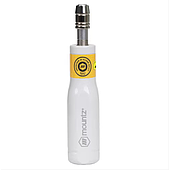
ESD-safe torque screwdrivers combine electrostatic-discharge control with controlled fastener tightening. They are useful when assembling circuit boards, microprocessors, sensors, and other static-sensitive electronic components.
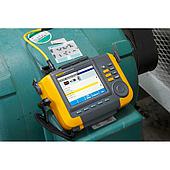
Loosening or wear never happens overnight; it always stems from minor degradations over time. If the maintenance team waits until mechanical noise is emitted or bearings overheat before intervening, the production line already faces the risk of unexpected downtime and massive repair costs.
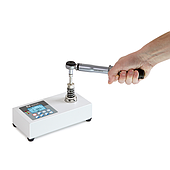
Effective bolted-joint tightening depends on calibrated torque control, torque values informed by joint testing, and a tightening sequence that distributes preload evenly. Washer fit, flange fasteners, gasket relaxation, and embedding also affect preload retention.
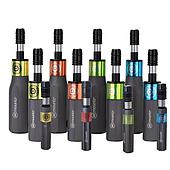
Preset torque screwdrivers support fixed, tamper-resistant settings, while adjustable models provide an external scale for changing torque requirements.
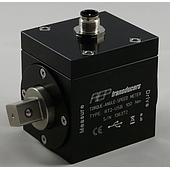
Brush rotary torque sensors use physical brush contact, while brushless designs transfer power and torque data without mechanical contact. Brushless designs can be preferable for pulse-tool testing, lower torque readings, reduced wear, and applications where brush-related limitations matter.
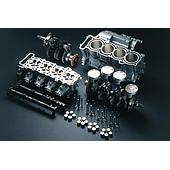
RPM may affect torque applied to an assembly joint because speed changes the duration of applied force and can change inertia. Record validated RPM settings and verify residual torque at the joint.
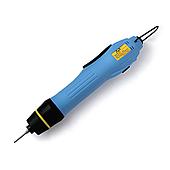
Brushless electric screwdrivers use electronic commutation rather than motor brushes. For high-volume assembly, this can reduce wear-related maintenance and support more consistent fastening operations.
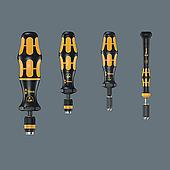
Power torque tools support controlled fastening by applying the required torque to screws. Tool selection should consider torque tolerance, speed, fastener size, controls, ESD needs, maintenance, and total cost of ownership.
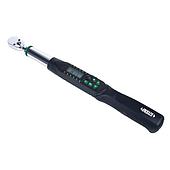
Electronics assembly calls for controlled low-range torque, ESD-safe construction, and run-down speed suited to production demand. Electronic and automation torque screwdrivers address different workflow needs.
Get exclusive volume discounts, bulk pricing updates, and new product alerts delivered directly to your inbox.
By subscribing, you agree to our Terms of Service and Privacy Policy.
Direct access to our certified experts