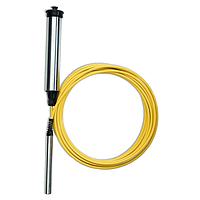
Level Data Logger
Reliable water level and depth records are essential when you need more than a one-time reading. In groundwater studies, stormwater monitoring, tank management, and environmental compliance work, long-term trend data helps teams understand changing conditions, identify abnormal events, and make better operational decisions. That is where Level Data Logger solutions become especially useful.
A level data logger is designed to capture and store level-related measurements over time, making it easier to review patterns instead of relying on manual checks alone. For engineers, field technicians, utilities, and environmental professionals, this category supports applications where stable logging, practical deployment, and consistent data retrieval matter just as much as the measurement itself.
Where level data loggers are commonly used
Level monitoring appears in many industrial and environmental workflows. Common use cases include groundwater observation wells, surface water studies, reservoirs, lift stations, storage tanks, and remote sites where routine manual inspection is inefficient. In these environments, a logger helps build a historical record that supports maintenance planning, reporting, and process evaluation.
Many projects also depend on level data to interpret wider system behavior. A changing level trend can indicate infiltration, leakage, seasonal variation, drainage performance, or pump activity. When level information is reviewed together with related measurements such as temperature or site events, users gain a more complete view of operating conditions.
Why long-term logging matters
Spot measurements can confirm current status, but they do not always show what happened before or after the reading was taken. A continuous monitoring approach allows users to detect fluctuations, peak conditions, recovery time, and recurring cycles that may otherwise go unnoticed. This is particularly important in environmental monitoring, infrastructure management, and water resource assessment.
Stored time-series data can also improve traceability. Instead of depending on handwritten notes or irregular field visits, teams can review logged records to compare periods, validate assumptions, and support technical documentation. For sites that need broader data collection, users may also explore related solutions such as electric dataloggers when electrical parameters are part of the same monitoring strategy.
How to choose the right logger for a level monitoring application
The best fit depends on the installation environment and the purpose of the measurement. Some projects focus on water level trends in wells or open channels, while others involve tanks, process vessels, or remote infrastructure. Before selecting a device, it is useful to define the required logging interval, expected deployment duration, data retrieval method, and exposure conditions in the field.
Users should also consider whether the logger will operate as a stand-alone instrument or as part of a larger monitoring network. In some applications, local memory is sufficient. In others, remote access can reduce field visits and improve response time. If remote communications are important, Ethernet and wireless data loggers may be relevant for distributed monitoring setups.
Important selection factors in practical use
When comparing products in this category, buyers often look beyond the basic ability to record level values. Key factors include deployment depth, environmental sealing, battery life, data capacity, software workflow, and the ease of installation and retrieval. In field projects, a logger that is technically suitable but difficult to maintain may create avoidable downtime or data gaps.
It is also important to think about the measurement environment. Water chemistry, pressure conditions, installation depth, cable routing, and the likelihood of fouling or sediment buildup can all influence long-term performance. For projects where level data is only one part of the monitoring scope, it may be useful to pair this category with related instruments such as event data loggers for recording threshold-based incidents or operational changes.
Typical users and project requirements
Level data loggers are commonly selected by environmental consultants, municipal water teams, industrial maintenance departments, civil engineering contractors, and research organizations. Although the application details vary, these users usually share a need for dependable records, practical field deployment, and data that can be reviewed over days, months, or seasonal cycles.
In B2B procurement, the evaluation process often includes more than the logger itself. Buyers may need to consider service intervals, compatibility with existing workflows, and whether the device will be used across multiple sites with similar conditions. This is why category-level comparison is valuable: it helps narrow down suitable options before moving to a model-by-model review.
Manufacturers commonly associated with this category
Several established manufacturers are relevant in level and environmental monitoring workflows. Brands such as Onset, Eijkelkamp, and GLobal Water are often considered in projects where data logging reliability and field usability are important. The right choice depends less on brand recognition alone and more on how well the logger aligns with the site conditions and monitoring objective.
For some users, the broader ecosystem around the device also matters. Software tools, deployment accessories, and compatibility with parallel measurement programs can influence the total value of a monitoring setup. In multi-parameter studies, teams may also compare this category with options like humidity and temperature dataloggers when environmental context needs to be tracked alongside level changes.
Using level data effectively in monitoring programs
Collecting data is only the first step. The real value comes from reviewing trends, checking for anomalies, and connecting level behavior with site activity, weather patterns, pumping schedules, or seasonal changes. A well-planned logging interval can help balance data detail with storage efficiency, especially in long deployments.
For long-term programs, consistency is critical. Clear installation procedures, routine verification, and disciplined data handling reduce the risk of missing records or misleading interpretation. Whether the goal is environmental reporting, operational control, or engineering analysis, logged level data provides a more dependable basis for decisions than occasional manual observation alone.
Conclusion
Choosing a level logger is ultimately about matching the instrument to the monitoring task, the site conditions, and the way your team needs to use the data. A good category review should help you compare deployment needs, logging strategy, and integration requirements before narrowing the shortlist.
If your application involves wells, tanks, water systems, or remote environmental assets, this category offers a practical starting point for building a dependable level monitoring workflow. By focusing on measurement purpose, installation constraints, and data access requirements, buyers can select solutions that support both day-to-day operations and long-term analysis.
Get exclusive volume discounts, bulk pricing updates, and new product alerts delivered directly to your inbox.
By subscribing, you agree to our Terms of Service and Privacy Policy.
Direct access to our certified experts