How does humidity affect paper?
Paper is a hygroscopic material that tends to absorb moisture from the surrounding environment. The level of moisture absorption in paper depends not only on ambient humidity and temperature but also varies by paper type and grade. Weight, raw material composition, and surface treatment methods also influence the paper’s absorbency.
How does environmental humidity affect paper?
Paper absorbs and releases moisture based on the humidity of its surroundings, including air in storage rooms, factories, or offices. In high humidity, paper easily absorbs moisture from the air, leading to expansion and dimensional instability. This makes the paper softer and weaker, causing issues like curling, blistering, and warping, which affect print quality and production stability.
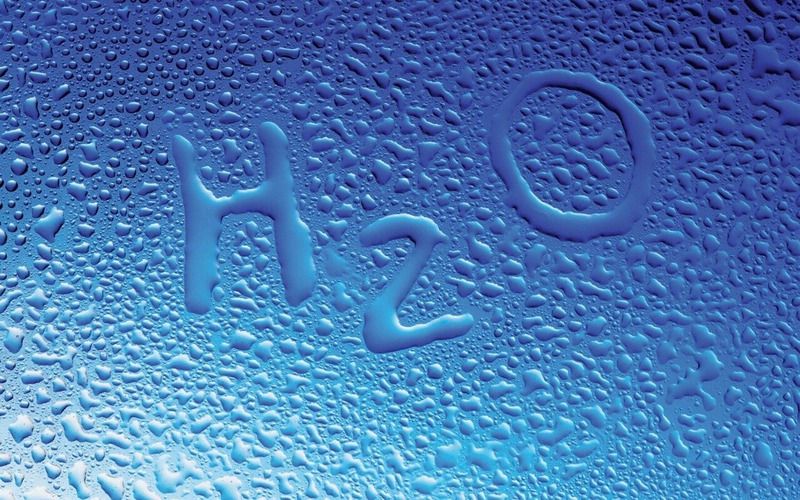
In dry environments, paper releases moisture, resulting in shrinkage, increased brittleness, and a higher risk of breakage. This makes paper harder to handle during printing or cutting, affecting productivity and product accuracy. Changes in environmental humidity also cause paper dimensions to fluctuate, leading to image misalignment during printing. For example, a 10% increase in humidity can cause paper to expand by 0.1% to 0.2%, resulting in calibration errors.
Impact of internal humidity on paper quality
Mechanical strength: Paper with optimal moisture content maintains flexibility and durability. Low humidity makes paper brittle and prone to tearing, while high humidity makes it soft and easily deformed.
Printability: Humidity affects ink absorption. Highly humid paper struggles to retain ink, causing it to spread and blur, reducing print quality. Overly dry paper absorbs ink quickly but may crack or tear during printing.
Thermal and electrical properties: Internal moisture also affects the paper’s insulating and thermal conductivity. For specialized applications, humidity control is necessary to maintain these properties.
Humidity control in the paper production process
Humidity control is a key factor in maintaining consistent paper quality, as it directly impacts the physical properties of paper. This applies not only during production but also in storage, transportation, and printing, to prevent unwanted changes. Paper moisture may vary during storage or transit, affecting final product quality and printing performance. Therefore, moisture levels should be measured at each stage to allow timely adjustments.
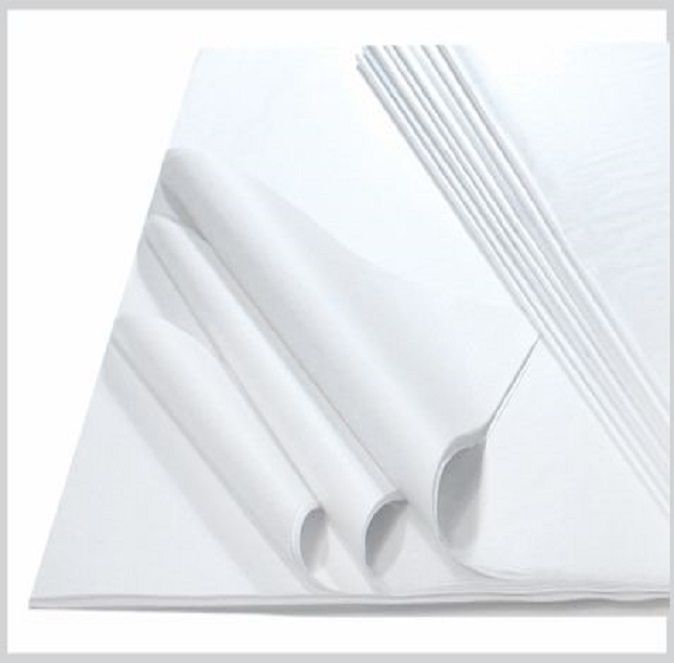
A paper moisture meter is a specialized device used to determine the moisture content in paper and related products, ensuring they meet required standards and technical specifications. This device is essential in the paper manufacturing, printing, and packaging industries, contributing to stable product quality.
Key features of the DM200P paper moisture meter
The DM200P paper moisture meter is an ideal tool for quickly and accurately checking the moisture level in paper, helping evaluate the impact of humidity on paper quality effectively. Designed as a handheld device, the DM200P is convenient for paper manufacturers, printing companies, and packaging processors, allowing easy use in various production settings.
Using advanced sensor technology, the device provides high-accuracy moisture measurements, helping users better control product quality. The DM200P supports a wide measuring range from 0 to 98%, suitable for various paper types such as printing paper, kraft paper, and packaging paper. Its user-friendly interface with a few buttons allows quick reading and recording of results. Within seconds, the device provides moisture readings of the paper sample, saving time in inspection and quality assessment.