

11/16/2026 14:00:39
SMEMA was developed to address this specific point; consequently, conveyors, loaders, and unloaders all include an SMEMA port in their technical specifications
SMEMA was developed to address this specific point; consequently, conveyors, loaders, and unloaders all include an SMEMA port in their technical specifications
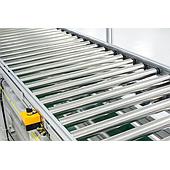
In a well-functioning SMT line, when QC detects defects at the end of the process, the immediate assumption is often that the issue lies with the solder paste printer or the component placement machine. However, upon closer investigation, there are certain types of defects that cannot be attributed to any single specific stage. Read the article below to learn more!
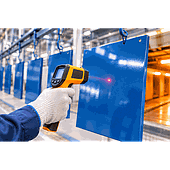
An infrared thermometer allows surface temperature measurement without direct contact, making it suitable for products coming out of curing ovens or surfaces that are difficult to access. However, to ensure reliable results for production quality control, it is important to understand the measurement principle and the factors that affect measurements on painted and coated surfaces.
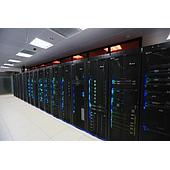
Thermal imaging supports data center maintenance by making temperature irregularities visible in electrical and mechanical equipment. Repeatable inspections can document temperature trends and inform timely repairs.
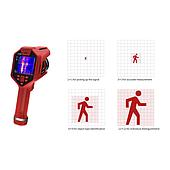
A thermal imager may detect a heat source at one pixel, but temperature assessment and object recognition require greater pixel coverage. D:S ratio helps determine whether a target can meet that requirement at a given distance.
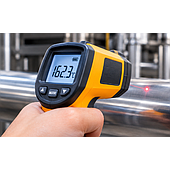
Discrepancies when measuring the surface temperature of metals using an infrared thermometer primarily stem from low emissivity, reflected radiation from the environment, and unsuitable measurement conditions.
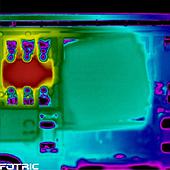
For PCB research, thermal imaging can capture temperature information across an entire board without contact. FOTRIC 600 R&D is described with up to 307,200 temperature points per image, radiometric video up to 30 Hz, and AnalyzIR software for pixel-level analysis.
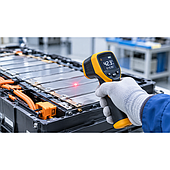
An infrared thermometer is a useful tool for quickly checking the surface temperature of lithium batteries without direct contact. This method allows technicians to identify abnormal temperature areas, assess operating conditions, and inspect battery systems during maintenance.

You are measuring an amplifier, and only one peak appears on the screen—even though there are clearly two carriers. Or, you know for a fact that harmonics are present, but the noise floor sits above them. Or, after making adjustments, the scanner slows down to the point where you find yourself waiting for each individual sweep. These three scenarios often share a common cause: the RBW (Resolution Bandwidth)
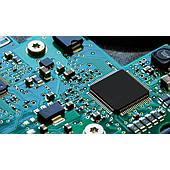
Những khoản đầu tư mới, cùng định hướng phát triển công nghiệp bán dẫn đến năm 2030, đang tạo nền tảng cho thị trường trong nước. Tuy nhiên, để nâng cao vị thế trong chuỗi giá trị toàn cầu, Việt Nam cần giải quyết bài toán về công nghệ lõi, nhân lực kỹ thuật và năng lực đo kiểm.
Get exclusive volume discounts, bulk pricing updates, and new product alerts delivered directly to your inbox.
By subscribing, you agree to our Terms of Service and Privacy Policy.
Direct access to our certified experts