Defibrillation
Routine verification of defibrillators and transcutaneous pacers plays a direct role in patient safety, equipment uptime, and biomedical compliance workflows. In hospitals, service organizations, and clinical engineering departments, the test process usually needs to confirm delivered energy, waveform behavior, timing, and output consistency without adding unnecessary complexity to preventive maintenance.
Defibrillation test equipment is used to evaluate whether emergency cardiac devices are performing within expected limits and to support documented maintenance procedures. This category is especially relevant for teams that maintain crash cart equipment, AEDs, manual defibrillators, and devices with pacing functionality, where accurate electrical verification is essential before the unit returns to service.
Why defibrillation testing matters in clinical service programs
A defibrillator is expected to deliver a controlled therapeutic pulse under critical conditions, so even small deviations in output can become important during inspection and maintenance. Dedicated analyzers help biomedical teams check energy delivery, voltage, current, pulse width, and other parameters in a repeatable way, making the service process more reliable than a basic functional check alone.
For many organizations, this category also supports traceable maintenance records and standardized procedures across multiple sites. It often sits alongside broader patient simulation equipment and other biomedical test tools used for acceptance testing, periodic verification, and troubleshooting.
What you can expect from instruments in this category
Products in this range are designed to simulate the electrical load seen by a defibrillator and measure the resulting output with appropriate precision. Common evaluation points include delivered energy, pulse characteristics, and, in some models, pacing-related behavior such as pulse current, rate, and refractory period testing.
Many users also look for practical service features such as battery operation, USB communication, display readability, result storage, and support for both manual and remote workflows. In a busy biomedical environment, these details can affect how easily a test bench can be deployed in a workshop or moved between wards and service locations.
Representative solutions from Fluke (Biomedical) and Rigel medical
Two well-known names in this area are Fluke (Biomedical) and Rigel medical, both of which offer analyzers intended for professional medical device verification. Rather than treating all models as interchangeable, it is usually better to match the instrument to the type of devices being maintained, the testing depth required, and the documentation expectations of the service team.
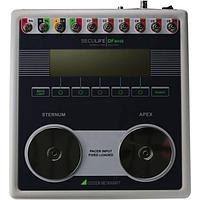
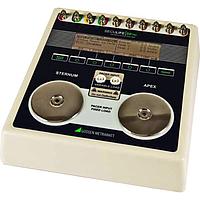
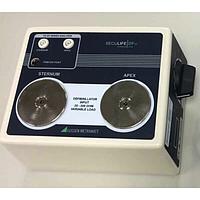
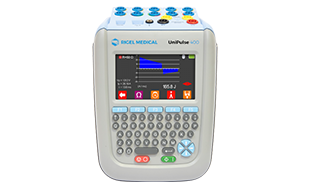
The Fluke (Biomedical) Impulse 7000DP Defibrillator/Transcutaneous Pacer Analyzer is suited to users who need a portable analyzer for checking defibrillator output and pacing-related parameters. The Rigel medical UniPulse 400 Defibrillator Analyzers also illustrate the broader capabilities available in this category, combining defibrillation measurement with ECG simulation and pacer-oriented functions that may be relevant in more comprehensive maintenance routines.
How to choose the right defibrillation analyzer
The first step is to define the devices in your service scope. If your team mainly handles standard defibrillator verification, focus on measurement range, waveform support, load characteristics, and ease of routine testing. If your workflow includes transcutaneous pacers or pacing checks, you may need broader functionality for pulse current, rate evaluation, and timing analysis.
It is also useful to consider the service environment. Portable analyzers with internal battery operation are practical for field service and ward-based checks, while data transfer and memory features help teams that need to keep electronic records. For organizations managing multiple categories of biomedical equipment, it may also make sense to review adjacent tools such as electrosurgical analyzer systems or infusion device analyzers to support a more complete maintenance setup.
Typical applications in biomedical engineering
This category is commonly used during preventive maintenance, incoming inspection, repair verification, and annual compliance testing. A biomedical technician may use a defibrillation analyzer to confirm that a device still delivers the intended therapeutic output after repair, battery replacement, calibration, or routine wear assessment.
These tools are also relevant for third-party service providers and independent test laboratories that support healthcare facilities. In those settings, the value of a defibrillator analyzer often comes from repeatable test methods, clear measured results, and the ability to work efficiently across multiple brands and device types within the same maintenance schedule.
Key selection criteria beyond headline specifications
While energy range and voltage capability are important, they are not the only factors worth comparing. Buyers should also look at usability elements such as display clarity, portability, environmental operating limits, charging behavior, and communications interface, because these features influence day-to-day handling just as much as the measurement engine itself.
Another practical point is whether the analyzer fits into a broader biomedical test ecosystem. Some service teams combine defibrillation testing with accessories or complementary equipment such as phantoms and simulation tools depending on the type of medical devices under evaluation. Choosing equipment that aligns with existing procedures can reduce training time and improve consistency across technicians.
Building a reliable maintenance workflow
A strong workflow usually starts with clear test procedures, a suitable analyzer, and documented pass/fail criteria defined by the facility or service provider. From there, consistency matters: using the same load conditions, verifying the same parameters, and recording results in a structured way can help make trend analysis and equipment history more useful over time.
For many users, the real value of this category is not only the measurement itself but the confidence it adds to a maintenance decision. A well-matched defibrillation testing solution helps confirm device readiness, supports regulatory discipline, and reduces uncertainty when critical emergency equipment is returned to clinical use.
Conclusion
Choosing equipment from the Defibrillation category is ultimately about matching test capability to the real demands of biomedical service work. Whether the priority is routine energy verification, pacing analysis, or a more versatile service bench, the right analyzer should support accurate measurements, practical handling, and dependable maintenance records.
By comparing workflow needs, device types, and required test depth, buyers can narrow the range to instruments that genuinely fit their service program. That approach leads to more efficient preventive maintenance and a more reliable process for keeping critical cardiac emergency equipment ready for use.
Get exclusive volume discounts, bulk pricing updates, and new product alerts delivered directly to your inbox.
By subscribing, you agree to our Terms of Service and Privacy Policy.
Direct access to our certified experts