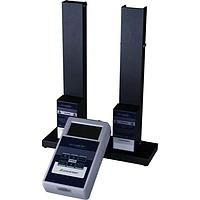
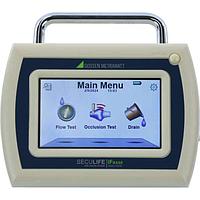
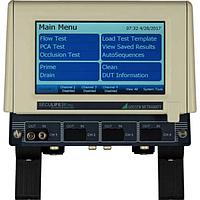
Infusion device analyzers
Accurate verification of infusion performance is essential wherever pumps are used for controlled drug delivery, nutrition, or fluid administration. In service departments, biomedical engineering teams, and medical equipment testing workflows, infusion device analyzers help confirm that flow, pressure, and volume behavior remain within acceptable limits before equipment returns to clinical use.
This category focuses on analyzers designed for practical testing of infusion devices, with attention to repeatable flow measurement, occlusion or back-pressure checks, and documentation-friendly operation. For organizations managing multiple pumps across wards, clinics, or maintenance programs, choosing the right analyzer can improve both testing efficiency and confidence in the results.
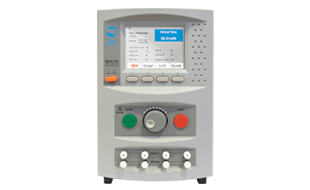
What infusion device analyzers are used for
These instruments are used to evaluate the performance of infusion pumps and related delivery equipment under controlled test conditions. Typical tasks include checking flow rate accuracy, confirming delivered volume over time, and assessing pressure behavior during occlusion or back-pressure events.
In many maintenance environments, this kind of testing supports preventive inspection, post-repair verification, and acceptance testing for newly deployed devices. As part of a wider medical equipment quality workflow, infusion testing often sits alongside functions such as patient simulation and other performance checks used in biomedical service programs.
Key measurement functions to look for
A useful analyzer should match the test scope of the pumps you maintain. In this category, the available examples emphasize flow measurement across a broad operating range, pressure monitoring for occlusion and back-pressure conditions, and volume-based evaluation for bolus or PCA-related checks.
Resolution and accuracy matter most when low-flow verification is part of the job, while higher-capacity testing becomes more relevant for departments handling a wide variety of infusion devices. Practical details such as data storage, display readability, and USB communication can also affect day-to-day usability, especially when records must be reviewed or transferred after testing.
Representative solutions from Rigel medical
A leading example in this category is the range from Rigel medical, including the Multi-Flo series for infusion pump analysis. These analyzers are presented in several channel configurations, allowing users to align throughput with the size of their service workload rather than relying on a one-size-fits-all setup.
For example, the Rigel medical Multi-Flo Infusion Pump Analyzer is available in 1-channel, 2-channel, 4-channel, and multi-channel versions. Across these models, the published data highlights measured flow capability from 0.100 to 1450 ml/h, pressure measurement up to 2500 mmHg, and support for volume-based checks with fine resolution. That combination makes the platform relevant for routine verification as well as more detailed troubleshooting when pump behavior needs closer analysis.
Choosing between single-channel and multi-channel testing
The right configuration depends largely on how many devices your team needs to test and how standardized your workflow is. A single-channel unit is often suitable for lower test volume, field service, or workbenches where flexibility matters more than throughput. It can also be a sensible option when tests are performed sequentially and documentation demands are modest.
By contrast, 2-channel, 4-channel, or broader multi-channel testing setups can reduce total bench time when several infusion pumps must be verified in parallel. This is particularly useful in hospitals, third-party service centers, and centralized biomedical departments where routine maintenance schedules involve larger fleets. The trade-off is usually footprint, handling, and process planning, so the best choice depends on your workflow rather than channel count alone.
How these analyzers fit into a broader medical test ecosystem
Infusion verification is only one part of clinical equipment quality assurance. Many organizations also maintain tools for waveform or physiological checks, energy-delivery verification, and application-specific test media. When planning a complete service bench, it may be helpful to review related categories such as electrosurgical analyzers or phantoms, depending on the device mix your team supports.
This broader view helps ensure that purchasing decisions reflect actual maintenance responsibilities, not just a single instrument requirement. For biomedical teams responsible for multiple classes of equipment, consistency in test workflow, operator training, and result handling can be just as important as the measurement capability of an individual analyzer.
Selection factors for B2B buyers
When evaluating infusion device analyzers for procurement, it is useful to start with the range of pumps in your installed base. Consider expected flow ranges, whether pressure and occlusion testing are required, and how often PCA or bolus-related verification is part of your procedures. These practical points usually have more impact on suitability than brand preference alone.
It is also worth comparing channel count, data handling, operating environment, and physical form factor. Bench space, portability between departments, and the need for archived test data can all influence the final decision. Where service teams need documented and repeatable results, an analyzer with clear display output and convenient connectivity can simplify reporting and reduce manual transcription.
Typical users and application environments
This category is relevant to hospital biomedical engineering departments, independent service providers, medical equipment maintenance contractors, and technical training facilities. In each of these environments, the priority is usually the same: verify that infusion devices perform consistently under test and support a traceable maintenance process.
Application needs may differ, however. Some users focus on routine periodic inspection, while others need more flexible tools for fault isolation, post-repair confirmation, or incoming equipment checks. That is why the category includes analyzer options that can support both straightforward service tasks and more demanding testing workflows.
Find the right analyzer for your testing workflow
Choosing the right infusion device analyzer comes down to matching measurement functions, channel capacity, and documentation needs to the way your team actually works. For smaller service loads, a simpler setup may be enough; for higher-volume maintenance operations, parallel testing and broader data capture can deliver clear operational benefits.
If you are comparing platforms for medical device testing, this category provides a focused starting point with representative options from Rigel medical and related product paths within the wider test ecosystem. A well-matched analyzer helps make infusion pump verification more consistent, more efficient, and easier to integrate into long-term biomedical maintenance procedures.
Get exclusive volume discounts, bulk pricing updates, and new product alerts delivered directly to your inbox.
By subscribing, you agree to our Terms of Service and Privacy Policy.
Direct access to our certified experts