Pen Multimeter
Fast electrical checks often need a tool that is easier to carry and quicker to deploy than a full-size meter. In those situations, a Pen Multimeter fits naturally into the workflow, especially for technicians who regularly verify voltage, continuity, polarity, or basic circuit conditions during installation and maintenance work.
This category is aimed at users who want a compact testing format without losing the essential functions needed for day-to-day electrical troubleshooting. Compared with larger meters, pen-style testers are typically chosen for speed, portability, and convenient one-handed use in panels, outlets, field service jobs, and building maintenance.
Why pen multimeters are useful in practical electrical work
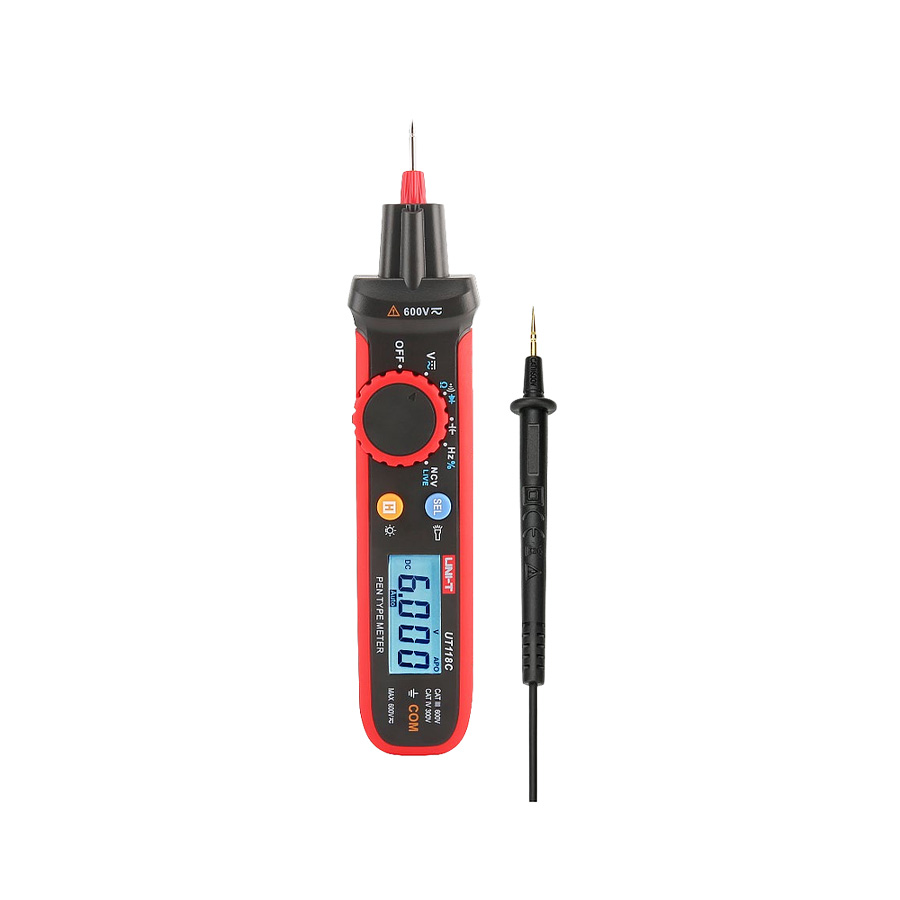
A pen multimeter is especially helpful when the job is less about advanced analysis and more about confirming electrical status quickly. Technicians often use this format to check whether a circuit is live, verify continuity, identify basic AC/DC voltage presence, or perform preliminary troubleshooting before switching to a more feature-rich instrument.
The pen-shaped design also makes it easier to carry in a pocket or tool pouch. For maintenance teams, service engineers, and electricians moving between multiple test points, that compact form can reduce setup time and simplify routine inspections.
Typical applications and working environments
These instruments are commonly used in residential and commercial electrical maintenance, control cabinet inspection, outlet checks, wire tracing, and quick verification before repair work begins. In many cases, the value of a pen multimeter comes from how quickly it helps confirm a safe or unsafe condition before more detailed testing.
They are also well suited to technicians who need a lightweight backup to a standard meter. For broader measurement tasks involving more ranges, deeper diagnostics, or more stable bench testing, users may still compare this category with a handheld multimeter or a desktop multimeter depending on the working environment.
What to consider when choosing a pen multimeter
The first point is the actual type of work. If the main task is voltage presence testing, continuity checks, and quick go/no-go inspection, a straightforward tester may be enough. If users also need resistance, frequency, capacitance, or a digital display with more readable values, it makes sense to look at models with expanded measurement capability.
Another key factor is safety category and protection level. In field electrical work, ratings such as CAT III or CAT IV and protective features like IP-rated enclosures can be highly relevant, especially when testing in distribution panels, industrial facilities, or outdoor maintenance locations. Battery type, display style, response speed, and probe design can also affect everyday usability.
Representative products in this category
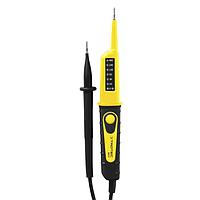
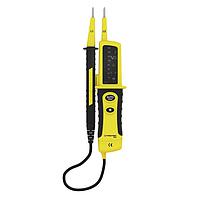
Several products in this category illustrate how pen-style and tester-style instruments are used in practice. The FLUKE FLUKE-T130 Voltage & Continuity Tester and FLUKE-T150 Voltage & Continuity Tester are examples of compact electrical testers designed for voltage and continuity verification, with measurement coverage suited to common low-voltage and building electrical tasks.
Users looking for an all-in-one quick-check solution may also notice the FLUKE T+PRO Electrical Tester and the FLUKE T+PRO-1AC KIT Electrical Tester and AC Voltage Detector Kit, which combine fast electrical checking with practical field accessories. For a digital pen-style format, the KYORITSU 1030 Digital Multimeters and HT Instruments HT8 Pen digital multimeters with lamp test show how this category can bridge the gap between a simple tester and a more functional compact meter.
Other relevant examples include the TOPTUL EAAA0169 Multifunctional Voltage Tester with Digital Display and the HT Instrument HT7 two-pole voltage tester. For users prioritizing electrical tester standards, the Chauvin Arnoux C.A 771 and C.A 773 series provide examples of two-pole testers intended for voltage absence testing, continuity, and related checks in professional electrical work.
Brands commonly associated with professional electrical testing
This category includes products from manufacturers widely recognized in electrical measurement and maintenance. Chauvin Arnoux is often associated with professional electrical testers for voltage absence verification and field safety applications, while FLUKE remains a familiar choice for maintenance teams that want durable portable instruments for routine troubleshooting.
KYORITSU, TOPTUL, and HT also appear in this category with compact instruments that suit technicians who need portability and straightforward operation. Brand selection usually depends less on name alone and more on the preferred test format, required functions, safety expectations, and the conditions in which the instrument will be used.
Pen multimeter vs. handheld multimeter
Although these categories overlap, they serve different priorities. A pen multimeter is generally selected for fast access, light weight, and simple operation during on-site checks. A handheld model is usually a better fit when the user needs more extensive measurement functions, a larger screen, broader ranges, or more detailed electrical analysis.
That distinction is why many technicians keep both formats available. A pen-style device can handle quick verification at the point of work, while a standard portable multimeter supports follow-up diagnostics when the issue requires deeper investigation.
Short FAQ
When is a pen multimeter the right choice?
It is a practical choice for quick voltage, continuity, and basic electrical checks in maintenance, installation, and troubleshooting tasks where portability and speed matter more than advanced analysis.
Can a pen multimeter replace a standard multimeter?
Not in every case. It can cover many routine checks, but detailed diagnostics may still require a full handheld or bench-type multimeter with wider measurement capability.
What matters most in selection?
Application, measurement functions, display style, safety rating, and ease of use are usually the most important factors. The right model depends on whether the tool will be used mainly for quick verification or for broader electrical testing tasks.
Choosing the right category for your workflow
For many field users, the advantage of this category is simple: faster checks with less bulk. Whether the requirement is a compact digital pen meter, a two-pole voltage tester, or a practical electrical tester for routine inspections, the selection should follow the actual task, the level of measurement detail needed, and the safety conditions of the job.
If your work involves frequent on-site verification, tight spaces, and repeated voltage checks throughout the day, a pen-style instrument can be an efficient addition to your toolkit. Reviewing the available models by function and working method is usually the best way to narrow down the right option for maintenance, service, and electrical inspection applications.
Get exclusive volume discounts, bulk pricing updates, and new product alerts delivered directly to your inbox.
By subscribing, you agree to our Terms of Service and Privacy Policy.
Direct access to our certified experts