Strain, Pressure, and Force
Accurate mechanical measurement starts with the ability to capture very small signal changes from sensors such as strain gauges, bridge-based pressure transducers, and force sensors. In test benches, machine development, structural monitoring, and embedded control systems, the quality of the input hardware has a direct impact on signal integrity, repeatability, and how confidently data can be used for analysis or feedback.
Strain, Pressure, and Force solutions in the NI ecosystem are designed for bridge-based measurements where sensitivity, channel synchronization, and wiring flexibility matter. This category brings together modules and devices for PXI, CompactDAQ, CompactRIO, sbRIO, and FieldDAQ platforms, making it easier to match the measurement front end to the environment, channel count, and sampling needs of a specific application.
Where these measurements are used
Bridge sensors are common wherever mechanical load or deformation must be converted into electrical data. Typical examples include material testing, component fatigue analysis, torque and load verification, hydraulic or pneumatic pressure monitoring, and force feedback in automated machinery. In these cases, the measured signal is often small relative to electrical noise, so the input module must be chosen with care.
For many users, this category is not only about strain gauges in the narrow sense. It also supports broader bridge-based sensing, including pressure and force transducers that use quarter-, half-, or full-bridge configurations. That makes the category relevant for both laboratory validation systems and industrial platforms that need reliable acquisition close to the machine.
Measurement platforms available in this category
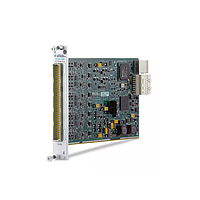
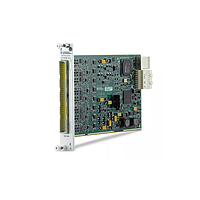
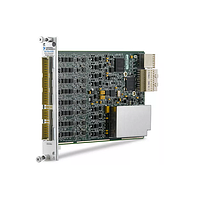
One of the strengths of this product group is platform coverage. For high-channel-count or modular test systems, PXI and PXIe options such as the NI PXIe-4331, NI PXIe-4330, and NI PXIe-4339 are suitable for applications that need multiple differential analog input channels with bridge measurement capability and higher throughput in a chassis-based architecture.
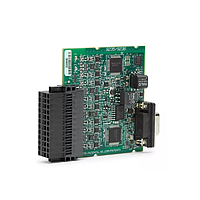
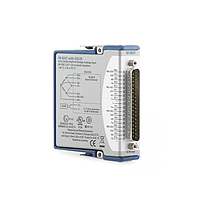
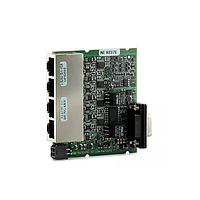
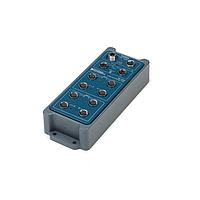
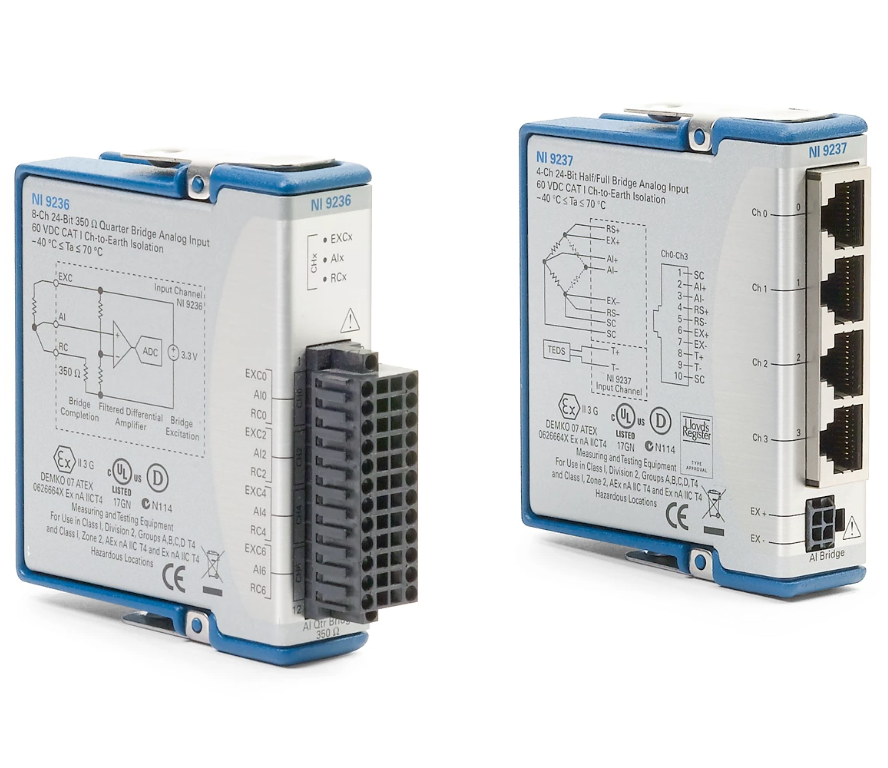
For distributed or rugged deployments, the NI FD-11637 extends similar measurement concepts into the FieldDAQ environment. In embedded systems, C Series and sbRIO modules such as the NI-9237, NI-9236, NI sbRIO-9237, and NI sbRIO-9235 provide a practical path for integrating strain and bridge inputs into CompactDAQ, CompactRIO, or single-board RIO designs.
How to choose the right strain or bridge input hardware
The first decision point is usually sensor type and bridge configuration. Some applications use quarter-bridge strain gauges with a fixed bridge resistance, while others use half-bridge or full-bridge transducers for pressure or force measurement. Hardware in this category supports different bridge arrangements, so it is important to confirm whether the sensor requires quarter-, half-, or full-bridge connectivity and whether internal bridge completion is needed.
The next factor is sampling performance. Lower-speed structural or process measurements may work well with modules intended for steady-state acquisition, while dynamic testing may require faster simultaneous sampling. For example, the NI PXIe-4331 is oriented toward higher sample-rate bridge acquisition, while options like NI-9236 or NI sbRIO-9235 may be more appropriate where channel density and platform integration are more important than maximum speed.
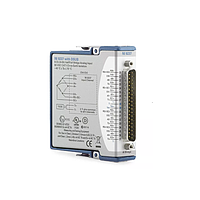
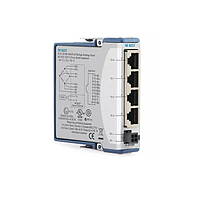
Channel count, mechanical installation, and environmental conditions also matter. Some versions offer enclosed or conformal coated designs, which can be relevant in harsher settings. Connector style can also influence system layout, especially when comparing D-SUB, RJ50, or spring-terminal variants in control cabinets, mobile systems, or compact test fixtures.
Representative NI modules in this category
For PXI-based systems, the NI PXIe-4330 and NI PXIe-4331 provide 8-channel bridge input capability, with the PXIe-4331 offering a higher maximum sample rate for applications that need faster waveform capture. The NI PXIe-4339 extends the category further with broader input range options, which can be useful when measurement setups vary across different test articles or sensor types.
In FieldDAQ deployments, the NI FD-11637 is a strong fit for users who need synchronized bridge measurements outside a traditional bench setup. It combines multi-channel input capability with characteristics that suit distributed data acquisition near the point of measurement, helping reduce issues that can arise from long sensor cable runs.
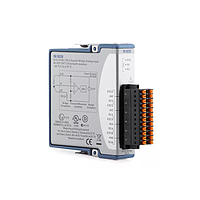
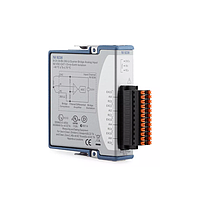
Within the C Series family, the NI-9237 is a flexible choice for quarter-, half-, and full-bridge measurements across CompactDAQ and CompactRIO systems. The NI-9236 and NI sbRIO-9236 focus on quarter-bridge use with fixed bridge resistance variants, while NI sbRIO-9237 models provide bridge input capability tailored for embedded sbRIO designs.
System design considerations beyond the input module
Bridge measurement quality depends on more than channel specifications alone. Wiring method, grounding strategy, shielding, excitation stability, and placement of acquisition hardware all affect the final result. In many systems, bridge input modules are combined with complementary I/O for actuator control, trigger handling, or additional electrical measurements.
For broader DAQ architectures, it may be useful to combine these modules with voltage measurement hardware for supporting analog signals, digital I/O modules for status and control signals, or multifunction I/O when a mixed-signal test setup is required. In networked or distributed machines, integration with industrial communication buses can also be part of the overall design strategy.
Why platform and environment matter
A benchtop validation rig, a mobile prototype vehicle, and an embedded machine controller do not place the same demands on measurement hardware. PXI modules are often selected where modular expansion and centralized instrumentation are priorities. C Series modules are commonly used when flexibility across CompactDAQ and CompactRIO is needed, while sbRIO-specific options support more tightly integrated embedded architectures.
Environmental constraints can change the selection even when measurement requirements look similar on paper. Enclosed modules may be preferred for deployment-oriented systems, and conformal coated versions can be useful where humidity, dust, or harsher operating conditions must be considered. This is why comparing form factor and installation details is often just as important as comparing input range or sample rate.
Working with NI solutions for bridge-based measurement
Because this category is centered on NI hardware, it is well suited to users building around established NI measurement and control platforms. That can simplify system planning when the project already includes NI chassis, controllers, or software environments, and when synchronization across multiple measurement types is part of the requirement.
Whether the need is high-speed PXIe acquisition, rugged FieldDAQ deployment, or embedded C Series integration, the available product mix supports a wide range of strain, pressure, and force measurement tasks. The most effective choice usually comes from aligning sensor bridge type, platform compatibility, sample rate, channel count, and installation environment rather than focusing on only one headline specification.
Final considerations
Choosing hardware for mechanical sensing is ultimately about getting dependable data from low-level bridge signals in real operating conditions. This category provides multiple NI options for applications that range from laboratory characterization to machine-level monitoring and embedded control.
If you are comparing modules, start with the sensor configuration and target platform, then narrow the list by channel count, sampling needs, connector style, and environmental requirements. That approach makes it easier to identify the right solution for strain, pressure, and force measurement without overcomplicating the system design.
Get exclusive volume discounts, bulk pricing updates, and new product alerts delivered directly to your inbox.
By subscribing, you agree to our Terms of Service and Privacy Policy.
Direct access to our certified experts