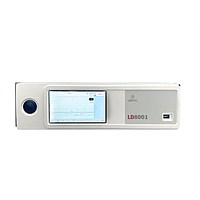
Gas Analyzers
Accurate gas composition data is essential in combustion control, emissions checking, process validation, and laboratory analysis. Whether the task involves flue gas measurement in industrial heating systems or more advanced adsorption and gas sorption work in materials research, choosing the right Gas Analyzers category helps narrow down instruments that match the application, operating range, and measurement method.
This category brings together instruments used to detect, quantify, and interpret gas behavior across different technical environments. The product mix includes portable combustion-focused analyzers as well as laboratory systems for sorption, degassing, and surface area analysis, giving engineers, maintenance teams, and research users a practical starting point for comparing suitable solutions.
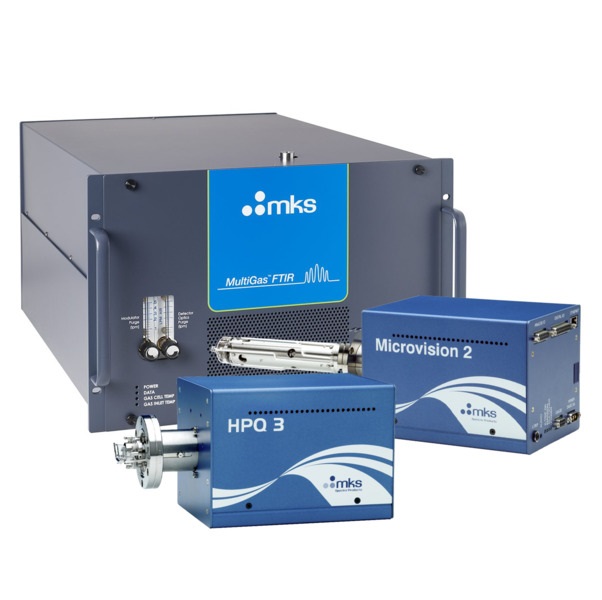
Where gas analyzers are used
Gas analysis is not limited to one industry or one instrument format. In field service and industrial maintenance, analyzers are commonly used to evaluate combustion efficiency, monitor O2 and CO levels, and support safer burner adjustment. In laboratory and materials characterization workflows, gas analysis is also central to understanding adsorption, porosity, chemisorption, and sample preparation conditions.
Because these use cases differ so much, selection should begin with the actual measurement objective. Some users need a handheld device for routine flue gas checks, while others need a benchtop system with controlled pressure, temperature, vacuum, or multiple analysis stations. If the broader project also involves fixed monitoring, related solutions such as air and gas transmitters may be worth reviewing alongside analyzer-based measurement.
Portable flue gas analysis for combustion and service work
For combustion-related applications, portable analyzers are often selected for their mobility and direct readout of key gases. A model such as the Wöhler A 550 series is designed for flue gas measurement with parameters that may include O2 and CO, with some configurations also supporting CO2, NO, and SO2. This type of instrument is relevant when technicians need fast diagnostics for boilers, burners, exhaust systems, or industrial thermal processes.
The practical value of a portable flue gas analyzer lies in combining sensor-based measurement with field usability. Battery operation, cable hose connection, and portable housing make these systems suitable for on-site inspections where access and turnaround time matter. When comparing options, users typically look at supported gases, compensation method, range, portability, and how the analyzer fits expected maintenance routines.
Laboratory gas analysis in adsorption and sorption workflows
In research and advanced materials testing, gas analysis can extend beyond concentration measurement to the study of how gases interact with solids. Instruments such as the Anton Paar Nova 600 and Nova 800 support BET surface area analysis using vacuum volumetric methods, while iSorb HP systems are intended for high-pressure gas sorption measurements. These systems are relevant in porous materials, catalyst development, adsorption science, and related laboratory environments.
Compared with handheld field analyzers, this class of equipment is built around controlled analytical conditions. Factors such as pressure resolution, station count, supported gases, and sample throughput become more important than portability. For many laboratories, the right system is determined not only by the gas to be used, but also by whether the workflow requires surface area determination, pore analysis, or pressure-dependent sorption studies.
The role of degassing and sample preparation
Reliable gas analysis often depends on proper sample preparation. In adsorption workflows, degassing is a critical step because residual moisture, trapped gases, or volatile contaminants can distort the final result. Equipment such as the Anton Paar FloVac external vacuum and flow degassing unit supports this stage by preparing multiple samples under controlled thermal and gas handling conditions before analysis.
This is especially important when repeatability matters across several samples or when the material is sensitive to handling conditions. Instead of treating degassing as a secondary accessory function, many laboratories view it as part of the measurement chain itself. A well-matched degassing setup can improve consistency, reduce preparation bottlenecks, and help the main analyzer deliver more meaningful data.
How to choose the right gas analyzer
The first selection point is the measurement principle. Electrochemical sensing is common in portable combustion analyzers for gases such as O2 and CO, while NDIR may be used for gases such as CO2. In laboratory systems, vacuum volumetric and flow chemisorption approaches are chosen for very different analytical goals, including adsorption behavior and catalyst characterization.
The second point is operating context. Ask whether the instrument will be used in the field, in a plant environment, or in a controlled lab. Then compare the required gas range, pressure or temperature conditions, number of analysis stations, and whether sample preparation or outgassing is part of the process. For applications that also involve ambient monitoring at the sensor level, it can be helpful to review air quality sensors for complementary deployment.
A few practical questions can simplify selection:
- Which gases need to be measured or characterized?
- Is the task portable field measurement or laboratory analysis?
- Do you need direct concentration readout, sorption analysis, or chemisorption capability?
- How many samples or stations are required for the expected workload?
- Are vacuum control, high pressure, or high-temperature preparation part of the method?
Representative instruments in this category
Several products in this category illustrate the range of applications covered. The Wöhler A 550 IND Flue Gas Analyzer and the Wöhler A 550 Flue Gas Analyser are aligned with industrial flue gas measurement, including combinations of O2, CO, and in some versions additional gases such as CO2, NO, and SO2. These are suitable examples for users focused on combustion diagnostics and emissions-related service tasks.
On the laboratory side, the Anton Paar Nova 600 and Nova 800 platforms are used for surface area analysis, while the iSorb HP1 and HP2 models extend capability into high-pressure volumetric gas sorption. For catalyst and reaction-related studies, the Anton Paar ChemBET Pulsar Automated Flow Chemisorption Analyzer is relevant where programmed desorption, reduction, oxidation, or pulse-based testing is required. Together, these examples show that gas analysis can refer to both direct gas concentration measurement and more advanced gas-material interaction studies.
Building a broader gas measurement workflow
In many industrial and environmental setups, a gas analyzer is only one part of the full instrumentation strategy. Portable analyzers may support maintenance checks, commissioning, and troubleshooting, while fixed devices handle ongoing monitoring. Supporting categories such as aerosol generator products may also be relevant in specialized testing, calibration, or air handling workflows depending on the process environment.
For procurement teams, it is useful to evaluate not only the analyzer itself but also the surrounding workflow: calibration practices, probe or hose requirements, sample handling, throughput expectations, and operator skill level. This broader view usually leads to better equipment matching than comparing specifications alone.
Conclusion
Choosing from a broad gas analyzer range becomes easier when the application is clearly defined from the start. Portable flue gas instruments and laboratory adsorption or sorption systems solve very different problems, even though both fall under gas analysis. By comparing measurement method, operating conditions, and workflow requirements, buyers can identify equipment that fits both technical demands and day-to-day use.
If your work involves combustion checks, gas-material interaction studies, or sample preparation before analysis, this category provides a focused starting point for reviewing suitable instruments and related measurement solutions.
Get exclusive volume discounts, bulk pricing updates, and new product alerts delivered directly to your inbox.
By subscribing, you agree to our Terms of Service and Privacy Policy.
Direct access to our certified experts