Food inspection equipment
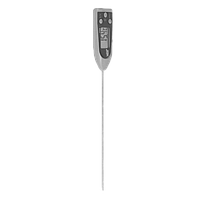
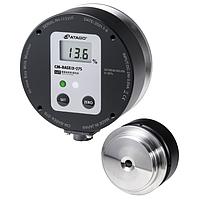
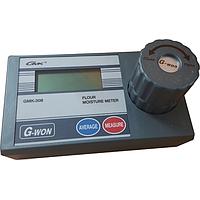
Consistent quality control in food and beverage processing often depends on fast, repeatable measurement at the point of production. From checking concentration in soup or soy milk to verifying specific gravity in milk and confirming surface hygiene, food inspection equipment helps operators make practical decisions without interrupting workflow for long laboratory procedures.
On this category page, you can explore instruments used for routine food checking, in-process verification, and cleanliness monitoring. The range shown here is especially relevant for manufacturers, kitchens, dairies, livestock operations, and food preparation environments that need simple testing methods for liquid and semi-liquid products.
Where this equipment is used in food operations
Food inspection is not limited to final product testing. In many facilities, measurements are taken throughout receiving, preparation, mixing, heating, formulation, and sanitation steps. Portable and bench-top instruments are useful because they allow staff to check key parameters directly on the production floor, in a preparation room, or at a quality checkpoint.
Typical use cases include verifying concentration in soy milk, checking ramen soup formulation, assessing milk quality through specific gravity, and screening colostrum quality in livestock applications. Hygiene-focused devices also support sanitation programs by helping teams confirm whether surfaces have been cleaned effectively before production resumes.
Common measurement principles in this category
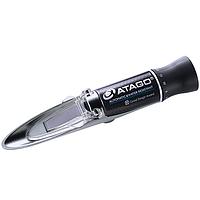
A large part of this category is built around refractometry, a practical method for estimating concentration or related properties by measuring how light behaves in a sample. This approach is widely used in food processing because it is fast, needs only a very small sample volume, and can support routine checks with minimal preparation.
Depending on the application, a refractometer may display Brix, specific gravity, refractive index, or a product-specific scale. For hygiene verification, ATP-based surface testing follows a different principle and is used to assess organic residue levels on equipment or work surfaces. Together, these tools cover both product quality and cleanliness control, which are closely linked in real production environments.
Examples of instruments available in this range
Several specialized ATAGO instruments illustrate how food inspection devices can be tailored to a specific product. The ATAGO PAL-27S Soy Milk Refractometer is intended for checking soybean solids in soy milk, while the ATAGO MASTER-Soy MilkM and MASTER-Soy Milkα are designed for soy food processing workflows that also involve magnesium chloride measurement in tofu production.
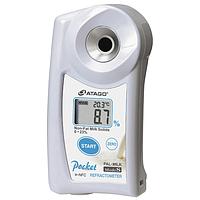
For noodle and soup preparation, the ATAGO PAL-96S and MASTER-Ramen series are relevant examples of instruments used to monitor soup concentration and kansui-related values during ramen production. In dairy-related use, the ATAGO PAL-MILK SG supports quick checks of milk specific gravity, and the ATAGO PAL-Colostrum is aimed at colostrum quality evaluation through Brix measurement.
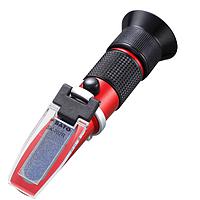
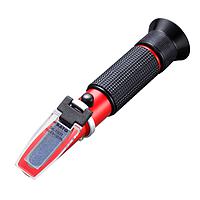
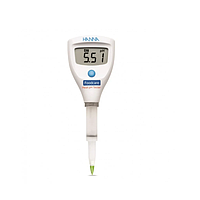
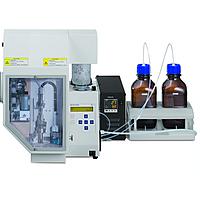
This category also includes hygiene-focused equipment such as the PCE ATP 1-KIT3 Surface Testing system, which is suited to sanitation verification on surfaces where direct cleanliness assessment is important. For broader refractive index work, models such as the ATAGO R-5000 Hand-Held Refractometer or the T3-NE Desktop Refractometer may fit applications where a more general optical measurement approach is needed.
How to choose the right food inspection equipment
The first step is to define what needs to be measured. If your process control is based on concentration, solids content, Brix, or specific gravity, a refractometer may be the most efficient option. If the goal is to verify sanitation effectiveness, an ATP surface tester is more appropriate than a concentration meter.
Next, consider whether you need a product-specific scale or a more universal reading. A dedicated instrument can simplify daily checks for one application, such as soy milk or ramen soup, while a more general refractive index model may be better when the testing requirement varies between products. Sample type, required measurement speed, portability, and the operating environment should also be reviewed before selection.
In busy production settings, practical features matter as much as measurement principle. Operators often look for fast readings, easy cleaning, compact design, and reliable use near wet processing lines. Where temperature changes are common, compensation features may also improve day-to-day consistency.
Leading manufacturers in this category
This category includes instruments from well-known suppliers used in industrial and laboratory environments. ATAGO is particularly visible in food-related refractometry, with application-focused models for milk, soy products, soups, and other liquid food checks. Its range is useful for businesses that prefer dedicated instruments matched to routine production tasks.
Other recognized brands in the broader category include Anton Paar, Cole parmer, DICKEY john, HANNA, KRUSS, MILWAUKEE, PCE, skSATO, and Trotec. Manufacturer choice often depends on whether the priority is compact field use, bench-top analysis, hygiene verification, or compatibility with a specific quality control workflow.
Related tools that support inspection workflows
Food inspection often works best as part of a broader testing routine rather than as a single standalone measurement. In some applications, operators may combine concentration or refractive checks with consumables and quick screening tools to improve process visibility and response time.
For example, facilities that need supplementary spot checks may also use test paper for simple field indication tasks, while some quality control procedures involve consumables from the other reagents range. These related categories can be helpful when building a more complete inspection and verification setup around routine food production testing.
Why application-specific instruments matter
In many B2B environments, the challenge is not just obtaining a reading, but obtaining one that is easy for operators to interpret and act on. Application-specific food instruments reduce ambiguity by presenting values in a format that matches the process being controlled, whether that means Brix for colostrum, soybean solids for soy milk, or a dedicated scale for soup preparation.
This can help shorten training time, improve repeatability between operators, and support faster decisions during production. For businesses running repeated batches or standardized recipes, that kind of clarity can be more useful than a general-purpose instrument that requires additional interpretation after every measurement.
Final considerations for buyers
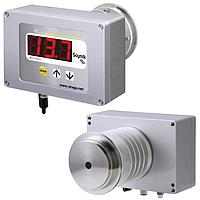
Choosing food inspection equipment is mainly about matching the instrument to the sample, the control point, and the operational routine. A small handheld refractometer may be ideal for quick in-process checks, while a desktop unit or ATP hygiene tester may be better suited to specific inspection stations or sanitation programs.
If you are comparing options on this page, focus on the measurement scale, intended application, portability, and how the device fits into your daily quality workflow. The right solution should make routine checks faster and clearer, while supporting more reliable food quality and hygiene control across production.
Get exclusive volume discounts, bulk pricing updates, and new product alerts delivered directly to your inbox.
By subscribing, you agree to our Terms of Service and Privacy Policy.
Direct access to our certified experts