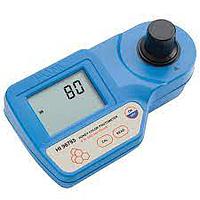
Honey Photometer Calibration Service
Accurate color measurement is essential when honey quality needs to be checked consistently across production, packaging, trading, or laboratory workflows. When a portable photometer is used to classify honey color, even small measurement drift can affect reporting, product grading, and comparison between batches. A reliable Honey Photometer Calibration Service helps keep the instrument aligned with expected reference values and supports more dependable day-to-day testing.
For businesses that use portable instruments in food quality control, calibration is not only about technical compliance. It also helps maintain confidence in internal results, reduces uncertainty during audits, and supports repeatable decisions when color is part of the product evaluation process.
Why calibration matters for honey color measurement
Honey color is commonly used as an important quality indicator in processing and commercial classification. Because photometers work by measuring light response through an optical system, performance can gradually shift over time due to handling, transport, environment, and normal instrument aging. Regular calibration helps verify that the meter still responds correctly within its intended operating range.
In practical terms, this means better consistency between operators, test locations, and production periods. A calibrated instrument supports clearer trend monitoring and reduces the risk of making decisions based on values that no longer reflect the actual sample condition.
What this service is intended for
This category is focused on calibration support for portable honey photometers used in routine inspection and quality control applications. It is particularly relevant for users who need dependable optical measurement performance and documented verification as part of their maintenance program.
A representative example in this category is the HANNA Honey color portable photometer Calibration Service. For companies already working with HANNA instruments, calibration can be a practical way to keep testing equipment ready for continued use without relying only on informal comparison checks.
Typical users and application environments
This service is relevant for honey producers, food processing plants, quality assurance teams, agricultural laboratories, and trading operations that need consistent product evaluation. In these environments, color data may be used for incoming inspection, batch release, product comparison, or long-term quality tracking.
Portable photometers are often selected because they are convenient to use near the sampling point. That convenience also means the instrument may be moved frequently and exposed to varied site conditions, which makes periodic calibration an important part of maintaining measurement reliability.
What to consider when choosing a calibration service
When evaluating a calibration option, most professional users look for more than a simple functional check. The service should be suitable for the instrument type, relevant to the measurement principle, and useful for quality documentation. For a honey photometer, the key objective is confidence that the optical reading remains stable and trustworthy for routine product assessment.
It is also worth considering service continuity across other instruments used in the same facility. If your team manages several testing devices, related services such as water activity meter calibration or alcohol meter calibration may be part of a broader instrument control plan.
Calibration as part of a broader quality system
In many food and laboratory operations, calibration is one element of a wider equipment management process that also includes scheduled inspection, cleaning, handling control, and performance review. A photometer may appear stable in daily use, but scheduled calibration provides a more structured basis for confirming its condition.
This is especially useful where traceability, internal procedures, or customer-facing quality requirements are involved. By integrating calibration into routine maintenance intervals, teams can reduce unplanned measurement issues and improve the consistency of recorded results over time.
Related instrument categories in environmental and quality measurement
Organizations that rely on optical or environmental instruments often manage several device types at once. Depending on the testing scope, calibration planning may also include services for light meters or dew point meters, particularly where environmental conditions can influence storage, testing, or process control.
Looking at calibration by instrument family rather than by individual device only can make maintenance planning more efficient. It also helps technical teams standardize service intervals and documentation practices across multiple testing points.
When it may be time to recalibrate a honey photometer
Recalibration is typically considered after prolonged use, transport between sites, irregular readings, comparison discrepancies, or according to the instrument maintenance schedule. If operators notice that results are no longer consistent with expected sample behavior or with previous historical patterns, calibration should be reviewed before relying on the data for quality decisions.
Even when no obvious issue is visible, preventive calibration remains a sound approach for instruments used in regular production or laboratory routines. This helps minimize uncertainty and supports repeatable measurement performance across batches and users.
Supporting dependable honey color testing
Choosing the right calibration service for a honey photometer is ultimately about protecting the usefulness of the measurements your team depends on. Whether the instrument is used for routine grading, internal quality checks, or documented product evaluation, regular calibration helps keep results more consistent and easier to trust.
For companies using portable optical instruments in food quality workflows, this category provides a focused path to maintaining equipment performance. A well-calibrated photometer supports better control of honey color assessment and fits naturally into a more disciplined instrument management program.
Get exclusive volume discounts, bulk pricing updates, and new product alerts delivered directly to your inbox.
By subscribing, you agree to our Terms of Service and Privacy Policy.
Direct access to our certified experts