Environmental Instruments Calibration Service
Reliable environmental measurements depend on more than instrument quality alone. In laboratories, water treatment systems, food production lines, cleanrooms, and field monitoring work, calibration helps ensure that readings remain consistent, traceable, and suitable for day-to-day decisions. That is especially important when instruments are used to verify process conditions, compare historical data, or support quality control.
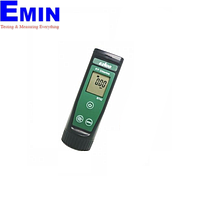
Environmental Instruments Calibration Service covers a broad range of devices used to measure chemical, physical, and ambient parameters. This category is designed for organizations that need calibration support for instruments such as conductivity meters, pH meters, anemometers, liquid particle counters, and many other environmental and analytical tools used in industrial and laboratory environments.
Why calibration matters for environmental instruments
Environmental instruments are often used where small measurement deviations can affect process control, sample evaluation, maintenance planning, or product quality. Over time, sensors and measurement circuits may drift due to usage conditions, contamination, aging, handling, or storage environment. Periodic calibration helps confirm whether the instrument still performs within expected limits.
For many users, calibration is not only about correcting values. It is also about maintaining measurement confidence, improving repeatability, and reducing uncertainty when comparing results across different sites, operators, or inspection cycles. In practical terms, this supports better decisions in water analysis, air monitoring, environmental compliance, and facility management.
Typical instruments covered in this category
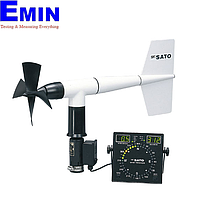
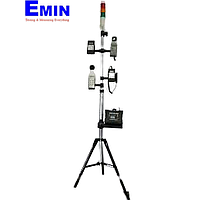
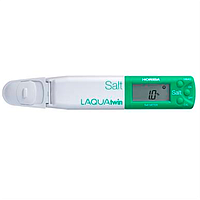
This category includes calibration service for a wide ecosystem of environmental measuring devices. The scope ranges from common handheld meters to more specialized analyzers used in process, laboratory, and inspection applications. Examples within this service group include meters for pH, conductivity, dissolved oxygen, turbidity, salinity, light, sound, weather, and various ion- or concentration-based parameters.
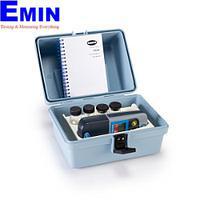
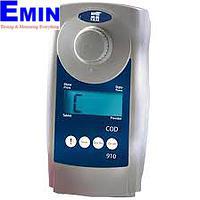
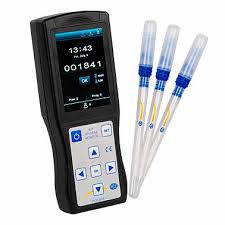
It also covers specialized instruments used in more demanding applications, such as liquid particle counters, biological samplers, photometers, and testing devices for food or water-related analysis. If your requirement is focused on a different instrument family, you may also review related services such as electrical and electronic meter calibration or mechanical measuring instrument calibration where appropriate.
Examples of supported calibration services
Within this category, several representative services illustrate the breadth of supported equipment. For water-quality and laboratory work, examples include Chauvin Arnoux conductivity meter calibration service, HACH conductivity meter calibration service, HORIBA conductivity meter calibration service, Mettler Toledo conductivity meter calibration service, and Chauvin Arnoux pH meter calibration service.
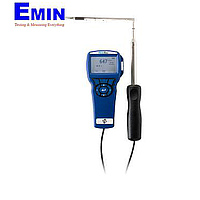
For airflow and contamination-related applications, the range also includes TESTO Anemometer Calibration Service, HACH Liquid Particle Counter Calibration Service, and TSI Polydisperse Generator Calibration Service. Specialized analytical devices are also represented, such as Horiba Oil Content Analyzer Calibration Service, HORIBA Nitrate Meter Calibration Service, HORIBA Kalium Meter Calibration Service, and HORIBA Canxi Meter Calibration Service. These examples show how the category supports both routine measurement tools and more application-specific analyzers.
Brands commonly associated with this service scope
Users often search for calibration support by instrument brand, especially when managing mixed fleets across multiple departments or plants. This category is relevant for instruments from manufacturers such as HACH, HORIBA, Chauvin Arnoux, Mettler Toledo, TESTO, TSI, FLUKE, HIOKI, SEKISUI, and YOKOGAWA, depending on the instrument type and calibration requirement.
Brand-specific service selection is useful when the installed base includes similar instruments across several locations. At the same time, the more important consideration is usually the measurement principle, parameter, operating range, and application environment. That is why calibration planning should focus on the actual instrument function rather than brand name alone.
How to choose the right calibration service
A suitable calibration path usually starts with the instrument’s measurement role. A handheld pH or conductivity meter used for routine checks may require a different calibration approach from a liquid particle counter used in controlled environments, or an anemometer used for HVAC and airflow verification. The operating context, frequency of use, and required level of documentation all influence service selection.
It is also helpful to prepare details such as the device model, measured parameter, sensor type, and current performance condition before arranging service. This makes it easier to match the instrument to the proper procedure and avoid delays. For users working with airflow tools specifically, a dedicated anemometer calibration service may be a more direct fit, while some organizations may also need related support for oscilloscopes and logic analyzers in broader maintenance programs.
Applications across industry and facility operations
Environmental calibration services are used in many sectors where measurement data influences quality, safety, maintenance, or process consistency. Common environments include water and wastewater treatment, food and beverage production, pharmaceutical and laboratory facilities, environmental testing, cleanroom support, building services, and manufacturing plants.
In these settings, the instruments may be used to verify water chemistry, monitor airflow, assess contamination levels, check solution concentration, or evaluate environmental conditions around production and storage areas. Regular calibration supports a more stable measurement system and helps reduce the risk of unnoticed drift affecting operational decisions.
What users typically expect from a calibration workflow
From a buyer’s perspective, a good service process should be clear, practical, and compatible with equipment management needs. That often means identifying the instrument correctly, confirming the service scope, documenting calibration results, and returning the device ready for continued use where applicable. For businesses operating multiple instrument types, service consistency is just as important as the technical work itself.
Traceability, organized documentation, and repeatable service intervals are especially valuable for companies with internal quality systems or scheduled maintenance plans. When environmental instruments are part of a larger asset base, calibration becomes one element of a broader reliability strategy rather than a one-time task.
Finding the right fit for your instrument portfolio
This category is intended to help buyers narrow down calibration requirements for a wide variety of environmental and analytical instruments without forcing everything into a single device type. Whether the need involves water-quality meters, airflow instruments, particle monitoring equipment, or specialty analyzers, the goal is to align the service with the instrument’s actual use and measurement function.
If you manage a diverse instrument inventory, starting from the application and measured parameter is usually the most efficient approach. A well-matched calibration service supports dependable readings, smoother audits, and more confident equipment use over time.
Get exclusive volume discounts, bulk pricing updates, and new product alerts delivered directly to your inbox.
By subscribing, you agree to our Terms of Service and Privacy Policy.
Direct access to our certified experts