
Manganese Meter Calibration Service
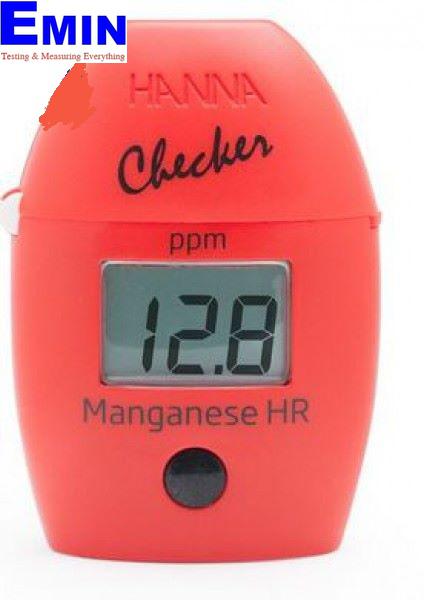
Reliable manganese measurement depends on more than the instrument itself. In water treatment, environmental monitoring, laboratory testing, and industrial process control, even a small deviation can affect compliance decisions, process adjustments, or the interpretation of sample quality. Regular Manganese Meter Calibration Service helps keep readings consistent, traceable, and fit for practical use.
Calibration is especially important when manganese meters are used to verify low-level concentrations, compare results across test points, or support documented quality procedures. Over time, sensor response, electronics, handling conditions, and routine use can all influence measurement performance. A structured calibration service helps identify drift early and confirms whether the instrument remains suitable for its intended range and application.
Why calibration matters for manganese measurement
Manganese testing is commonly used in applications where measurement accuracy has direct operational value. In water-related processes, the result may be used to assess treatment effectiveness, verify sample quality, or support maintenance decisions. When readings begin to drift, users may see inconsistent trends, unnecessary corrective actions, or uncertainty when comparing current data with previous records.
Calibration helps restore confidence in the instrument by checking its response against known references and evaluating whether the displayed value remains within acceptable tolerance. This is particularly useful for organizations that work under internal quality systems, customer audit requirements, or scheduled preventive maintenance programs for environmental instruments.
What is typically covered in a manganese meter calibration service
A professional service process generally focuses on the core functions that influence result reliability. This may include inspection of the instrument condition, verification of response, adjustment where applicable, and documentation of the calibration outcome. The goal is not only to confirm whether the meter works, but also to determine whether it performs in a controlled and repeatable way.
For many users, the most valuable outcome is traceable calibration documentation that can be referenced during audits, quality reviews, or internal equipment management. Clear records also make it easier to monitor long-term instrument stability and decide when maintenance, replacement, or shorter calibration intervals may be needed.
When to schedule calibration
Calibration intervals depend on how the instrument is used, how critical the measurement is, and the conditions in which the meter operates. A device used frequently in demanding environments will usually require more regular attention than one used occasionally in a controlled lab setting. If the meter is part of a regulated workflow or supports reportable results, planned calibration should be treated as part of normal quality assurance rather than as an occasional corrective action.
There are also several practical signs that calibration may be due sooner than expected. These include unstable readings, poor repeatability, results that do not align with known sample conditions, or concerns after transport, storage, repair, or prolonged inactivity. In these situations, calibration can help determine whether the issue is related to instrument performance or the measurement process itself.
Common environments where this service is relevant
Manganese meters may be used in environmental and industrial settings where water quality or dissolved metal concentration needs to be monitored with confidence. Typical use cases include routine laboratory analysis, treatment system verification, incoming or discharge water checks, and process support activities where trends matter as much as individual readings.
Organizations managing multiple environmental instruments often benefit from aligning service schedules across related equipment categories. For example, teams that also maintain humidity-related or radiation-related instruments may coordinate service planning with dew point meter calibration or radiometers and UV calibration services as part of a broader instrument control program.
How calibration supports quality systems and audit readiness
In many B2B environments, instrument calibration is not only a technical task but also a documentation requirement. A manganese meter that is used to support inspection records, laboratory workflows, or environmental reporting should have a service history that is easy to review. Proper calibration records help demonstrate that measurements are based on controlled equipment rather than informal checks alone.
This is especially relevant for facilities that maintain multiple portable or bench instruments across different test parameters. Alongside manganese measurement, some operations also schedule services such as light meter calibration or water activity meter calibration to keep their overall calibration system organized and consistent.
What to consider before sending a meter for calibration
Before arranging service, it is helpful to review how the instrument is currently used in the field or lab. Important considerations include the typical measurement range, the type of samples tested, the required level of confidence in the result, and whether the instrument has recently shown signs of drift. If available, previous calibration records can also provide useful context for identifying recurring deviations or changes in performance over time.
Users should also make sure the meter is clearly identified within their internal asset management system. Matching the correct instrument ID, service interval, and documentation history reduces administrative confusion and helps ensure that the calibration outcome can be properly linked to the equipment in active use.
Choosing a service approach that fits your operation
The right calibration support depends on your workflow, not just the instrument category. Some organizations prioritize routine interval control for a large fleet of environmental instruments, while others need calibration tied to project work, shutdown periods, or quality audits. In either case, the service should provide a practical basis for confirming instrument performance and keeping records current.
For manganese measurement, the main objective is straightforward: maintain dependable readings that support sound technical decisions. A well-managed calibration schedule reduces uncertainty, supports internal quality practices, and helps extend the useful life of measurement equipment by identifying issues before they become operational problems.
If your instrument is used in testing, monitoring, or process verification, periodic manganese meter calibration is a sensible step toward more reliable data. Consistent service planning, clear records, and attention to performance trends will make it easier to keep measurement results credible across day-to-day operation.
Get exclusive volume discounts, bulk pricing updates, and new product alerts delivered directly to your inbox.
By subscribing, you agree to our Terms of Service and Privacy Policy.
Direct access to our certified experts