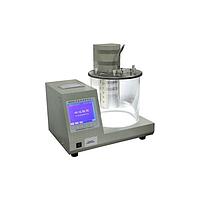
Viscometers Calibration Service
Reliable viscosity data depends not only on the instrument itself, but also on how well it is maintained and verified over time. In laboratories, coating inspection, petroleum testing, materials development, and quality control workflows, even small measurement deviations can affect batch consistency, process decisions, and compliance records. A professional Viscometers Calibration Service helps restore confidence in measurement results and supports stable day-to-day operation.
This service category is intended for users who need calibration support for rotational, laboratory, and application-specific viscometers from widely used manufacturers. Whether the instrument is used for incoming material checks, R&D, formulation control, or production support, proper calibration is a practical step toward better repeatability and traceable measurement performance.
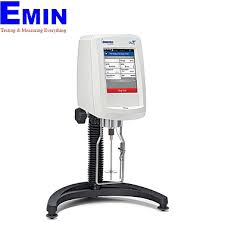
Why viscometer calibration matters in real applications
Viscometers are often used where product flow behavior directly affects quality. Paints, inks, oils, resins, chemicals, and other fluid materials can behave differently with changes in temperature, shear conditions, or formulation. If the instrument drifts over time, the measured viscosity may no longer reflect the actual process condition, leading to incorrect acceptance or rejection decisions.
Regular calibration helps verify that the instrument is still operating within expected performance limits. It also supports internal quality systems by providing documented evidence that the device has been checked, adjusted if necessary, and reviewed against recognized calibration procedures. For organizations managing multiple lab instruments, this is just as important as services such as water bath calibration service, where thermal stability can influence test outcomes.
What is typically covered in a viscometer calibration service
A calibration service for viscometers generally focuses on verifying the instrument’s measurement performance under controlled conditions. The exact procedure depends on the instrument type and application, but common tasks may include functional checks, measurement verification, comparison against reference standards, and documentation of the calibration results.
For users working in regulated or audit-sensitive environments, the value of calibration is not limited to the adjustment itself. The service also helps create a clearer equipment history, making it easier to schedule periodic checks, identify drift trends, and maintain a reliable instrument management system across the laboratory.
Supported brands and example calibration services
This category includes calibration support for instruments from established manufacturers used across laboratory and industrial environments. Typical examples include BROOKFIELD, ELCOMETER, PCE, RION, SEKONIC, TQCSheen, KMT, Malcom, Phase Analyzer ̣(PAC), and MStech. Different brands may serve different testing methods or industries, so calibration should always align with the actual device design and intended use.
Representative services in this category include BROOKFIELD Viscometer Calibration Service, RION Viscometer Calibration Service, Phase Analyzer ̣(PAC) Viscometer Calibration Service, MStech Viscometer Calibration Service, SEKONIC Viscometer Calibration Service, ELCOMETER Viscometer Calibration Service, PCE Viscometer Calibration Service, TQCSheen Viscometer Calibration Service, Malcom Viscometer Calibration Service, and KMT Viscometer Calibration Service. These examples illustrate the range of supported equipment without reducing the page to a simple product list.
How to choose the right calibration scope
When selecting a calibration service, it is useful to start with the instrument’s role in the testing process. A viscometer used for routine production release may require a different service focus than one used in development work or comparative research. Measurement range, spindle or sensor configuration, operating conditions, and the criticality of the test result all influence the appropriate calibration approach.
It is also important to review how the instrument interacts with the broader laboratory environment. For example, if viscosity testing depends on controlled temperature conditions, related equipment may also need periodic verification. In a complete maintenance plan, users often evaluate associated services such as Rotary Evaporator Calibration Service or refrigerated storage verification, especially where sample integrity and preparation conditions matter.
Typical users and industries
Viscometer calibration is relevant across many technical environments. Common users include quality control laboratories, production support labs, R&D teams, coating and surface treatment operations, petrochemical testing facilities, and chemical manufacturers. In these settings, viscosity is often a key acceptance parameter linked to product handling, application behavior, or formulation consistency.
Calibration can also be important for contract testing labs and organizations that operate under documented quality systems. Where equipment records, preventive maintenance schedules, and traceability are part of standard practice, a structured calibration program reduces uncertainty and improves readiness for audits or customer requirements.
How calibration supports equipment reliability and quality systems
A well-managed calibration schedule contributes to more than measurement accuracy. It helps laboratories detect instrument drift before it becomes a larger problem, supports preventive maintenance planning, and reduces the risk of inconsistent test data across shifts or locations. Over time, this creates a more dependable measurement environment.
For many facilities, viscometers are only one part of a broader calibration ecosystem. Other critical laboratory devices may also require periodic verification, such as Biosafety Cabinet Calibration Service for controlled laboratory work or Pharmacy Refrigerators Calibration Service where stored materials must remain within defined conditions. Looking at calibration as a system rather than a one-off task often leads to better long-term equipment control.
When to consider calibration service
There are several common triggers for scheduling service. These include routine annual or periodic calibration, questionable measurement repeatability, unusual reading drift, post-repair verification, relocation of the instrument, or onboarding of equipment into a formal quality management program. If test results start to conflict with process expectations or reference materials, calibration should be reviewed promptly.
It is also good practice to assess calibration needs after long periods of heavy use or when the instrument is exposed to demanding operating conditions. Laboratories that rely on viscosity data for product release, formulation approval, or customer reporting generally benefit from a clearly defined service interval and documented calibration history.
Choosing a service with the right technical fit
The most useful calibration service is one that matches the instrument, the application, and the quality requirements of the user. That means looking beyond the model name alone and considering how the viscometer is actually used in your workflow. A practical service should support dependable results, clear documentation, and easier equipment management over time.
Within this category, users can explore calibration options for major viscometer brands and select the service that fits their installed equipment base. If your lab depends on viscosity as a critical measurement, a structured calibration plan is a straightforward way to improve confidence in results and keep testing activities aligned with operational requirements.
Get exclusive volume discounts, bulk pricing updates, and new product alerts delivered directly to your inbox.
By subscribing, you agree to our Terms of Service and Privacy Policy.
Direct access to our certified experts