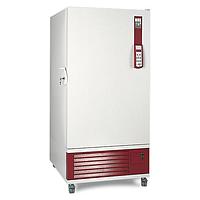
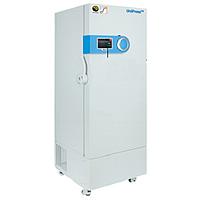
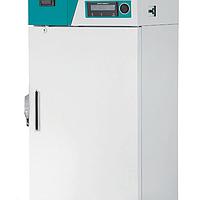
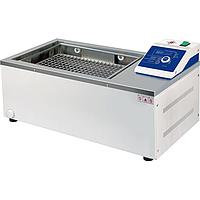
Pharmacy Refrigerators Calibration Service
Temperature-sensitive medicines, vaccines, reagents, and clinical samples all depend on stable cold storage. Even when a refrigerator appears to be operating normally, small deviations in temperature uniformity, sensor accuracy, or recovery performance can affect storage conditions over time. A well-planned Pharmacy Refrigerators Calibration Service helps verify that the unit is performing within the required operating range and supports more reliable day-to-day storage control.
This category is intended for users who need calibration support for pharmacy and laboratory refrigeration equipment used in healthcare, pharmaceutical, research, and controlled storage environments. Whether the priority is routine compliance, preventive quality control, or verification after maintenance, calibration provides objective data about how the equipment is actually performing in real conditions.
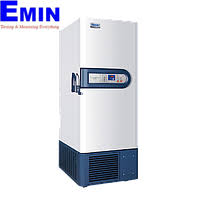
Why calibration matters for pharmacy refrigerators
Pharmacy refrigerators are used where temperature stability is directly connected to product integrity. In these applications, it is not enough for the display to show a nominal value. What matters is whether the internal chamber maintains the intended conditions consistently, whether the measurement system is accurate, and whether critical points inside the cabinet remain within the acceptable range.
Calibration helps identify discrepancies between displayed temperature and actual temperature, as well as variations between different positions inside the storage space. This is especially relevant for refrigerators used for medicines, temperature-sensitive biological materials, or regulated inventory where documented performance is part of quality assurance.
Typical scope of refrigerator calibration service
In practice, calibration of a pharmacy refrigerator focuses on verifying the thermal behavior of the equipment under defined conditions. This can include checking chamber temperature accuracy, evaluating distribution across the usable storage area, and reviewing how the unit responds over time. The exact approach depends on the equipment type, internal volume, and operational purpose.
For organizations managing a broader cold-chain workflow, this service is often considered alongside related categories such as water bath calibration service or biosafety cabinet calibration service, particularly in laboratories where temperature control and environmental verification are both part of routine validation activities.
Equipment types and manufacturers commonly covered
This category can be relevant for dedicated pharmacy refrigerators as well as laboratory refrigeration systems used for controlled cold storage. Depending on the installed base, users may look for calibration support for equipment from manufacturers such as JEIOtech, Binder, Lauda, DaiHan, SH Scientific, and WITEG. Mentioning the brand is important mainly to match the service with the actual equipment in use, not to imply identical calibration conditions across all models.
Examples within this broader service context include the JEIOTECH Laboratory Refrigerator Calibration Service. Related cold-storage calibration requirements may also apply to ultra-low temperature units, such as WITEG Ultra Low Temperature Freezer Calibration Service, Binder Ultra Low Temperature Freezer Calibration Service, DaiHan ULT Freezer Calibration Service, or Lauda Upright/Chest Freezers Calibration Service, where lower operating ranges and storage risk profiles call for suitable verification practices.
When to schedule calibration
A regular calibration interval is commonly used to support traceability and internal quality systems, but timing should also reflect actual operating risk. Calibration is often scheduled after installation, after relocation, after sensor replacement or repair, or whenever there is doubt about displayed readings versus independent monitoring data.
It can also be useful after repeated alarm events, unexplained product excursions, or changes in load profile. If your facility operates multiple controlled-temperature devices, refrigerator calibration may be planned together with services for adjacent equipment, such as rotary evaporator calibration or temperature-controlled storage systems in the same laboratory support program.
How to choose the right service for your application
The right calibration approach depends on more than the equipment label. Buyers should consider the required storage range, the sensitivity of stored materials, the need for documented measurement points, and whether the refrigerator is used in a pharmacy, hospital, laboratory, or regulated production support area. These factors influence how detailed the evaluation needs to be.
It is also useful to distinguish between general cold storage and application-specific refrigeration. For example, some users may need this category, while others may be better aligned with pharmacy refrigerator calibration specifically because of medication storage requirements, or with freezer-focused services where the operating temperature range is substantially lower.
Examples of related calibration needs in laboratory environments
Pharmacy refrigerators rarely operate in isolation. Many facilities maintain a network of temperature-controlled and process-support devices that all require periodic verification. In that context, services such as WITEG Shaking Water Bath Calibration Service or SH Scientific Recirculating Chiller Calibration Service illustrate how calibration supports a wider laboratory quality framework across storage, heating, and cooling equipment.
Looking at calibration by equipment family can help standardize service planning, documentation, and audit preparation. It also helps procurement teams compare service needs across different departments without treating every instrument as a separate workflow.
Documentation and quality support
For B2B users, the value of calibration is not only technical but also procedural. A properly documented service supports equipment records, maintenance planning, internal audits, and quality reviews. This is particularly important in environments where refrigerator performance must be demonstrated rather than assumed.
Temperature verification, documented results, and clear service scope all contribute to better control of stored materials. When the refrigerator is part of a regulated or quality-managed process, these records can become an important reference for investigations, periodic reviews, and operational risk management.
Choosing a service category that fits your cold storage workflow
This category is best suited for organizations that need dependable verification of pharmacy and laboratory refrigeration performance, especially where controlled storage conditions are tied to product quality or compliance. Brand-specific examples such as JEIOtech, Binder, WITEG, DaiHan, Lauda, and SH Scientific help indicate the range of supported equipment, while the actual calibration need should always be defined by application and temperature-control requirements.
If you are reviewing cold storage equipment for routine maintenance or quality documentation, pharmacy refrigerator calibration service is a practical starting point. It helps ensure that the refrigerator’s measured performance aligns with the storage conditions your operation depends on, while also fitting into a broader calibration strategy for laboratory and healthcare equipment.
Get exclusive volume discounts, bulk pricing updates, and new product alerts delivered directly to your inbox.
By subscribing, you agree to our Terms of Service and Privacy Policy.
Direct access to our certified experts