
Calibration of dust test chamber
Reliable environmental testing depends on more than the chamber itself. When a unit is used to simulate dust exposure for product validation, routine calibration of dust test chamber equipment helps confirm that test conditions remain consistent, traceable, and suitable for quality control, compliance work, and repeatable laboratory use.
For manufacturers, test labs, and maintenance teams, calibration is not only about checking whether a chamber turns on and runs. It is about verifying that the equipment can support controlled test methods with stable operating behavior, dependable monitoring, and results that can be compared over time. This becomes especially important when dust resistance testing is part of product development, incoming inspection, or reliability evaluation.
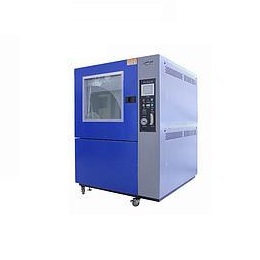
Why dust test chamber calibration matters
A dust test chamber is typically used to expose samples to controlled particulate conditions in order to evaluate enclosure integrity, product durability, and resistance to contamination. If the chamber drifts from its intended operating range, test outcomes may become difficult to trust, especially when different batches, production periods, or test programs need to be compared.
Calibration helps establish confidence in the chamber’s performance by checking the measurement and control functions that affect the test environment. In a professional setting, this supports better documentation, more consistent testing workflows, and reduced uncertainty when results are used for engineering decisions or customer requirements.
What is commonly reviewed during calibration
The exact calibration scope can vary depending on the chamber design, installed instrumentation, and site procedures. In general, the service focuses on the parameters that influence how the chamber creates, monitors, and maintains the required dust exposure conditions.
This may include verification of key indicators, controller behavior, and related operating points that affect repeatability. The goal is not simply to confirm a displayed value, but to evaluate whether the equipment performs in a controlled and measurable way under normal working conditions. If the chamber is part of a wider environmental testing workflow, users may also need related services such as furnace calibration support for adjacent thermal processes.
When to schedule calibration service
Calibration intervals are usually influenced by usage frequency, internal quality requirements, audit needs, and the criticality of the test program. A chamber used regularly for qualification or acceptance testing often benefits from scheduled calibration rather than waiting for visible problems to appear.
It is also wise to arrange calibration after relocation, repair, major maintenance, controller replacement, or any event that could affect chamber performance. If test results begin to show unusual variation, delayed response, or poor correlation with previous records, calibration can help identify whether the issue is linked to the equipment itself or to another part of the test setup.
Choosing the right service approach
Not every calibration requirement is identical. Some users need routine verification to maintain internal records, while others require a more formal process aligned with documented quality systems and traceable measurement practices. A suitable service should match the actual role of the dust chamber in your organization, whether for R&D, production validation, or third-party laboratory work.
It is also useful to clarify the service scope in advance: what parameters will be checked, what records will be issued, and whether any adjustment or follow-up recommendations are included. For facilities managing several types of physical test equipment, planning calibration together with services such as abrasion tester calibration can simplify maintenance scheduling and reduce equipment downtime.
How calibration supports test quality and compliance
In many industrial environments, test data is used to support technical reports, supplier qualification, product claims, and internal release decisions. A chamber that has been properly checked provides a stronger basis for these activities because the measurement chain is better controlled and deviations are easier to detect.
Traceability, documented results, and consistent service intervals are especially valuable in audited systems. They help teams demonstrate that environmental testing equipment is being maintained with appropriate oversight, which in turn supports more robust quality assurance and more credible test records.
Working within a broader calibration program
Dust test chambers are rarely used in isolation. Many laboratories and production sites operate multiple instruments across mechanical, physical, and barrier-property testing. Building a structured calibration program across this equipment base can improve planning, documentation, and service consistency.
Depending on the application, related services may also be relevant, such as water vapor transmission rate test system calibration or oxygen permeation system calibration. While these instruments serve different testing purposes, the underlying need is similar: dependable measurement performance and documented control of critical equipment.
Practical considerations before arranging calibration
Before service is scheduled, it helps to review the chamber’s current condition, service history, and operating environment. Clear records of past maintenance, observed issues, and normal operating use can make the calibration process more efficient and help define an appropriate scope.
Users should also confirm whether the chamber will be calibrated on site or through another service arrangement, and whether production planning allows enough time for inspection, verification, and any necessary corrective action. A well-prepared calibration process usually leads to clearer results and better long-term equipment management.
Supporting reliable dust testing over time
Consistent environmental simulation is essential when dust exposure testing is part of product evaluation or process control. With a defined calibration routine, organizations can reduce uncertainty, improve repeatability, and maintain better confidence in the performance of their test chamber.
For teams responsible for laboratory quality, production verification, or environmental test equipment upkeep, a well-scoped dust test chamber calibration service is a practical step toward more stable testing conditions and more dependable technical records.
Get exclusive volume discounts, bulk pricing updates, and new product alerts delivered directly to your inbox.
By subscribing, you agree to our Terms of Service and Privacy Policy.
Direct access to our certified experts