Oxygen Permeation System Calibration Service
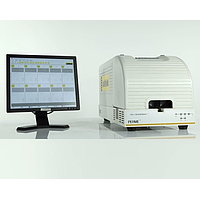
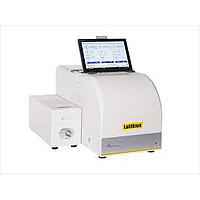
Accurate oxygen transmission measurement is critical when packaging performance, barrier verification, and product shelf-life decisions depend on dependable test data. In laboratories and quality environments that work with films, containers, sheets, and flexible packaging materials, regular Oxygen Permeation System Calibration Service helps keep test instruments aligned with required measurement performance and day-to-day operating confidence.
This service category is intended for organizations that use oxygen permeation or oxygen transmission testing systems and need a reliable approach to calibration, inspection, and ongoing instrument verification. Whether the goal is routine preventive calibration, support before an audit, or performance checks after extended use, proper service planning can reduce uncertainty and improve consistency across test results.
Why calibration matters for oxygen permeation testing
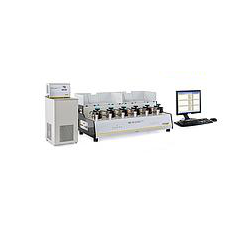
Oxygen permeation systems are used to evaluate how much oxygen passes through a material under controlled test conditions. Because these instruments support packaging development, material comparison, and quality control, even small deviations in measurement behavior can affect technical decisions, specification approval, or product validation work.
A well-executed calibration service helps verify that the instrument is operating within expected performance limits. It also supports traceability, improves confidence in reported values, and helps teams identify issues such as drift, sensor instability, environmental influence, or system setup errors before they lead to unreliable data.
Typical situations when this service is needed
Calibration is often scheduled as part of periodic maintenance, but there are many practical situations where it becomes especially important. Laboratories may require service before customer qualification, internal validation, method comparison, or third-party review. In production support settings, calibration also helps maintain confidence when material lots are being accepted or rejected based on oxygen barrier performance.
It can also be useful after relocation, extended continuous operation, unusual test results, repair activity, or a long period without documented verification. If your team relies on oxygen barrier data for compliance or product development, regular service intervals are usually a better strategy than waiting for obvious measurement problems to appear.
What an oxygen permeation system calibration service generally supports
Although the exact service scope depends on the instrument and service procedure, this category typically supports the verification of key measurement functions related to oxygen permeation testing. The aim is not just to check whether the instrument powers on, but to assess whether the system continues to perform in a technically reliable way for its intended use.
In many cases, service work may include inspection of instrument condition, review of core operating parameters, performance verification, and documentation of calibration results. For laboratories using Labthink instruments, service planning may also be aligned with manufacturer-specific operating practices and maintenance expectations where applicable.
Suitable users and application environments
This service is relevant to packaging laboratories, material testing facilities, quality assurance departments, R&D teams, converters, and manufacturers working with barrier materials. Any operation that depends on accurate oxygen transmission data can benefit from scheduled calibration, especially where test reports influence purchasing, release decisions, or technical claims.
It is particularly useful in environments where multiple barrier properties are tested as part of one workflow. For example, companies that monitor both oxygen and moisture barrier performance may also review related services such as water vapor transmission rate test system calibration to keep their broader testing process consistent.
Examples of services available in this category
This category includes service options such as Lapthink Inspection Service, which may be relevant when an instrument requires a condition check, technical evaluation, or service assessment as part of maintenance planning. Inspection work can be a useful first step when users are seeing inconsistent behavior but have not yet determined whether calibration alone is sufficient.
Another representative option is the Labthink Oxygen Permeability Tester Calibration Service, intended for users who need calibration support for oxygen permeability testing equipment from this manufacturer. These examples help illustrate the type of service support available within the category without limiting the broader service intent to a single workflow.
How to choose the right calibration support
When selecting a service, it helps to start with the role of the instrument in your process. Consider how often the system is used, whether results are part of formal quality records, and whether your team must maintain documented evidence for customer, regulatory, or audit purposes. Instruments used for routine release testing generally require a more structured calibration schedule than systems used only occasionally for internal comparison.
You should also review whether the current need is primarily calibration, inspection, or a combination of both. If there are concerns about broader system condition or unexplained test variation, an inspection-focused service may be appropriate before or alongside calibration. Where laboratories manage several types of physical testing equipment, related services such as abrasion tester calibration may also be part of a wider equipment control program.
Benefits of regular service planning
A structured service interval can do more than satisfy maintenance routines. It helps reduce the risk of unnoticed performance drift, supports repeatable testing, and makes it easier to compare results over time. This is especially important in organizations where multiple users operate the same system or where test data must remain credible across product development, incoming inspection, and final quality review.
Regular calibration planning can also improve operational efficiency. Instead of reacting to unexpected instrument issues during critical testing periods, teams can schedule service proactively and keep documentation organized. Over time, this supports a more stable testing environment and better decision-making based on oxygen barrier data.
Support dependable oxygen barrier measurement
Choosing the right oxygen permeation system calibration service is ultimately about protecting the quality of your measurement process. When oxygen transmission data is used to evaluate packaging materials, verify barrier performance, or support technical documentation, calibration becomes a practical part of risk control rather than an administrative task.
If your laboratory uses oxygen permeation equipment regularly, this category provides a focused starting point for inspection and calibration support. Reviewing the appropriate service option based on instrument condition, usage frequency, and documentation needs can help maintain dependable performance and stronger confidence in every test result.
Get exclusive volume discounts, bulk pricing updates, and new product alerts delivered directly to your inbox.
By subscribing, you agree to our Terms of Service and Privacy Policy.
Direct access to our certified experts