Calibration of thermal endurance tester
Reliable thermal aging and heat resistance data depend on more than the tester itself. In materials labs, quality departments, and packaging or polymer evaluation workflows, consistent results come from equipment that has been checked, adjusted, and verified against appropriate calibration practices. When thermal endurance measurements begin to drift, even small deviations can affect product qualification, incoming inspection, and long-term comparison of test data.
Calibration of thermal endurance tester services help maintain confidence in temperature-related testing by confirming that the instrument performs within expected measurement conditions. This is especially important where thermal exposure, endurance comparison, or heat-related material behavior is part of routine evaluation.
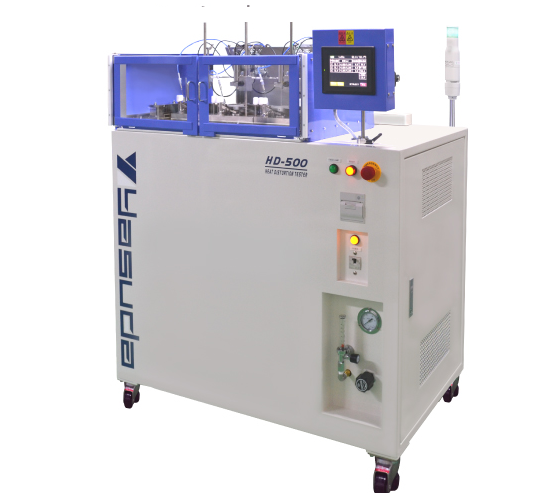
Why calibration matters for thermal endurance testing
A thermal endurance tester is typically used where repeatable temperature control and dependable test conditions are essential. If the instrument no longer reflects true operating conditions, test results may become difficult to compare across batches, production periods, or validation cycles. Calibration reduces that risk by helping identify deviation before it becomes a larger quality issue.
In many industrial environments, calibration is also part of broader quality assurance and preventive maintenance practice. It supports traceable testing, improves confidence in internal test records, and helps teams make more informed decisions when approving materials, monitoring durability, or investigating performance changes.
What is typically covered in the service
The exact scope can vary by instrument design and operating principle, but the service generally focuses on the measurement and control elements that influence thermal endurance testing. This may include verification of temperature-related performance, checking indication accuracy, and confirming that the tester operates consistently under the intended test conditions.
Calibration can also help reveal issues such as sensor drift, control instability, or differences between displayed and actual values. In practice, this gives maintenance teams and laboratory users a clearer basis for deciding whether the equipment can remain in service, requires adjustment, or should be reviewed further.
When to schedule calibration
A regular calibration interval is usually the most effective approach, particularly in laboratories that depend on repeatable thermal test data for audits, supplier qualification, or product development. Scheduling may also be necessary after relocation, repair, unusual readings, prolonged heavy use, or any event that could affect temperature control or test stability.
If your test program includes multiple thermal or barrier-related instruments, it can be useful to align calibration planning across similar assets. For example, teams managing environmental and material performance workflows may also review services such as furnace calibration or oxygen permeation system calibration to keep broader test capability under control.
Support for different equipment brands
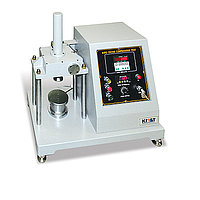
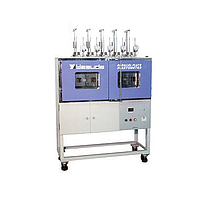
Brand compatibility often matters in calibration planning, especially when a facility operates instruments from multiple suppliers. This category is relevant for users working with equipment from KMT, Yasuda, and MStech, where calibration requirements need to fit the practical use of each tester in the field or laboratory.
Although calibration methods should follow the instrument’s intended function, the main objective remains the same: confirm reliable operation and restore confidence in the test process. In mixed-brand environments, a structured calibration program also helps standardize documentation and reduce variability between workstations or departments.
Examples of related calibration services in active use
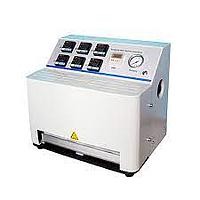
Some representative service items in this ecosystem include the MStech Portable Heat Seal Strength Tester Calibration Service, Yasuda Portable Heat Seal Strength Tester Calibration Service, and KMT Portable Heat Seal Strength Tester Calibration Service. These examples show how calibration services are often organized around specific test equipment families and practical application needs rather than as a one-size-fits-all activity.
Even when the instrument type differs, the underlying goal is similar: maintain dependable measurement performance, support reproducibility, and reduce uncertainty in routine testing. This is particularly relevant in manufacturing and R&D environments where data consistency influences release decisions or comparative material assessment.
How to choose the right calibration service
When selecting a service, it helps to start with the tester’s role in your process. Consider how often the equipment is used, whether results are used for compliance or customer reporting, and how sensitive your application is to temperature deviation. The more critical the data, the more important it is to define a clear calibration interval and documentation requirement.
You should also consider the broader test environment. Facilities that handle physical durability, appearance, or barrier performance may benefit from coordinating related services such as abrasion tester calibration or water vapor transmission rate test system calibration as part of a unified equipment control plan.
Benefits for laboratories, QA teams, and manufacturers
A well-managed calibration program supports more than equipment upkeep. It helps laboratories improve measurement consistency, gives QA teams better confidence in historical test records, and allows manufacturers to compare results over time with fewer questions about instrument drift. This becomes increasingly valuable when multiple operators, test lots, or production sites are involved.
From a practical standpoint, calibration also contributes to better troubleshooting. When unexpected material behavior appears in testing, teams can more quickly determine whether the change comes from the sample itself or from the measurement system. That distinction can save time in both process improvement and failure analysis.
Keeping thermal endurance testing dependable over time
Thermal endurance evaluation is only as useful as the stability of the instrument behind it. By keeping calibration current, organizations can protect the integrity of their thermal test workflow and reduce uncertainty in day-to-day decision-making.
For buyers and technical teams reviewing this category, the main priority should be a service approach that matches actual usage, documentation needs, and equipment brand compatibility. A well-planned calibration service helps keep thermal testing reliable, comparable, and easier to manage across the full equipment lifecycle.
Get exclusive volume discounts, bulk pricing updates, and new product alerts delivered directly to your inbox.
By subscribing, you agree to our Terms of Service and Privacy Policy.
Direct access to our certified experts