Discoloration Meter Calibration Service
Consistent color evaluation depends on more than the test method itself. When a laboratory or quality control team relies on a discoloration meter, even small measurement drift can affect pass/fail decisions, trend analysis, and confidence in product appearance testing. A well-planned Discoloration Meter Calibration Service helps keep results reliable, traceable, and suitable for day-to-day industrial use.
This category is intended for users who need calibration support for discoloration and color fastness testing equipment used in textile, material, and product quality assessment workflows. It is especially relevant where repeatability, comparison between batches, and long-term measurement consistency are important.
Why calibration matters for discoloration measurement
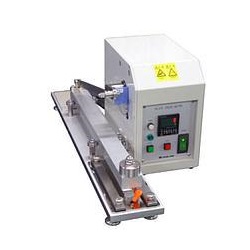
Discoloration testing is often used to evaluate how materials change after exposure to heat, light, rubbing, washing, or other environmental conditions. In this context, the instrument must provide stable readings so engineers, laboratory staff, and QA teams can compare samples with confidence. Calibration supports that process by verifying that the equipment performs within expected measurement behavior.
For B2B users, the value of calibration is practical rather than theoretical. It helps reduce uncertainty in quality decisions, supports internal quality systems, and improves consistency between operators, production sites, or testing schedules. Where related equipment is also part of the test flow, services such as abrasion tester calibration may also be relevant for broader material performance evaluation.
Typical use cases in quality control and testing labs
Discoloration meters are commonly associated with applications where visual change needs to be quantified or monitored under controlled test conditions. This can include textile assessment, material comparison, product aging studies, and checks related to color fastness workflows. In these environments, dependable calibration helps ensure that results remain comparable over time rather than shifting because of instrument drift.
Many organizations also use discoloration measurement alongside other physical or environmental tests. For example, packaging, film, or barrier-material labs may combine color-change evaluation with permeability verification, making related services like oxygen permeation system calibration useful within the same quality infrastructure.
What this service category covers
This category focuses on calibration support for discoloration measurement equipment and closely related systems used in appearance and color fastness assessment. The goal is to help users maintain measurement consistency and reduce the risk of inaccurate comparisons between reference samples and tested specimens.
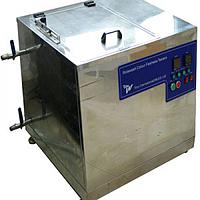
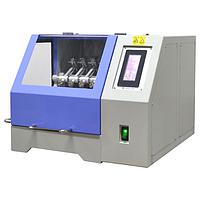
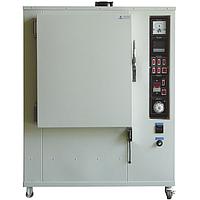
Depending on the installed equipment base, users may also look for calibration support tied to chamber-based or color fastness testing setups. Examples listed in this category context include the Cometech Discoloration Chamber Calibration Service, Yasuda discoloration chamber calibration service, and TONYHK color fastness machine calibration service. These examples show how discoloration evaluation often sits within a wider testing ecosystem rather than as a standalone measurement task.
Supported manufacturers and equipment ecosystem
Calibration planning is often easier when service requirements are aligned with the original equipment platform. In this category, commonly referenced manufacturers include Cometech, Yasuda, and TONYHK. These brands are frequently associated with laboratory testing equipment used for controlled color-change and fastness evaluation.
Brand compatibility matters because service scope, test workflow, and equipment configuration can vary by platform. Even when the calibration objective is similar, the surrounding fixture arrangement, operating sequence, and reporting expectations may differ. Referring to the manufacturer ecosystem helps users identify a service path that better fits their existing laboratory setup.
How to choose the right calibration service
The most useful starting point is the role the instrument plays in your process. If the device is used to verify subtle color changes for release decisions or customer specifications, calibration intervals and documentation requirements may need closer attention. If it supports internal comparison only, the service approach may be shaped more by usage frequency and process criticality.
It is also worth considering whether the instrument works independently or as part of a larger test sequence. Some labs need calibration support not only for the discoloration meter itself but also for equipment that creates the exposure or aging condition. In thermal-aging environments, for example, furnace calibration service can be relevant when temperature-controlled testing influences the final discoloration result.
Benefits of regular calibration for industrial users
Regular calibration supports traceable testing, more dependable trend monitoring, and better communication between production, QA, and laboratory teams. It can also help reduce avoidable rechecks caused by questionable readings or inconsistent instrument behavior. For organizations serving regulated markets or customer-driven audit environments, this consistency can be especially important.
Another benefit is improved confidence when comparing historical data. When calibration is managed systematically, users can review older test records with greater assurance that changes in results reflect actual sample behavior rather than instrument instability. This is particularly valuable in long-term product development, supplier qualification, and material comparison programs.
Related calibration needs in the same testing workflow
Discoloration assessment rarely exists in isolation. In many test laboratories, appearance-related evaluation is connected to moisture, gas barrier, abrasion, or thermal exposure testing. Reviewing calibration needs across the full workflow can help avoid weak points where one unverified instrument affects the credibility of the entire test sequence.
For that reason, users who manage broader physical testing systems may also explore services such as water vapor transmission rate or abrasion-related calibration, depending on the materials being tested and the decisions those results support. Looking at calibration as part of an integrated quality system usually provides better long-term value than treating each instrument separately.
Choosing a service path that fits your lab
The right service approach depends on instrument type, usage intensity, internal quality requirements, and the surrounding test process. A laboratory running frequent comparative testing may prioritize tighter control and scheduled verification, while another may focus on maintaining baseline reliability for periodic product checks. In both cases, the aim is the same: preserve reliable measurement performance and support defensible test results.
If your workflow includes discoloration meters, discoloration chambers, or color fastness machines from brands such as Cometech, Yasuda, or TONYHK, this category provides a focused starting point for identifying the appropriate calibration service. A clear calibration plan helps keep testing dependable, improves confidence in reported results, and supports more consistent quality decisions over time.
Get exclusive volume discounts, bulk pricing updates, and new product alerts delivered directly to your inbox.
By subscribing, you agree to our Terms of Service and Privacy Policy.
Direct access to our certified experts