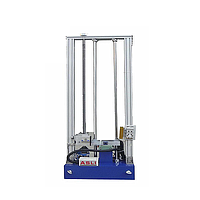
Mechanical Shock Tester Calibration Service
When impact and shock data are used to qualify products, verify packaging performance, or support reliability testing, confidence in the test setup becomes just as important as the test result itself. A well-executed Mechanical Shock Tester Calibration Service helps ensure that shock equipment is operating within the expected range so engineers, quality teams, and laboratories can make decisions based on trustworthy measurements.
This category is intended for organizations that rely on mechanical shock testing as part of product validation, material evaluation, or routine quality control. Whether the goal is maintaining traceability, improving repeatability, or restoring confidence after maintenance or relocation, calibration plays a practical role in keeping shock test equipment aligned with actual operating conditions.
Why calibration matters for mechanical shock testing
Mechanical shock testers are used to reproduce sudden impact conditions that may occur during transport, handling, field use, or durability assessment. In these applications, even small deviations in measured response, timing, or shock level can affect whether a product passes, fails, or requires further investigation. Regular calibration helps reduce that uncertainty.
For many industrial users, calibration is not only a technical requirement but also part of a broader quality assurance process. It supports more consistent test records, better comparison between test cycles, and improved confidence when results are reviewed by internal stakeholders, customers, or external auditors.
What this service typically supports
A mechanical shock tester calibration service is generally used to verify that the instrument or system measures and performs as intended within its operating function. This may include assessment of key parameters related to shock generation, measurement response, or system behavior under controlled conditions, depending on the equipment configuration and the calibration scope.
In practical terms, this type of service is relevant for manufacturers, packaging labs, R&D teams, contract test facilities, and maintenance departments that use shock testing in a repeatable and documented way. It is especially important where test data must support qualification programs, supplier approval, engineering change validation, or compliance-driven documentation.
Suitable applications across industrial testing environments
Mechanical shock testing appears in many sectors, including electronics, industrial components, automotive subassemblies, materials evaluation, and packaged product testing. In each case, the objective is similar: simulate a defined shock event and observe how the sample or system responds. Calibration helps confirm that the equipment used for that simulation remains dependable over time.
Organizations that operate several forms of laboratory equipment often manage calibration as part of a wider testing ecosystem. For example, facilities that also require abrasion tester calibration or furnace calibration services often benefit from a more structured calibration schedule across different equipment types.
Example service option in this category
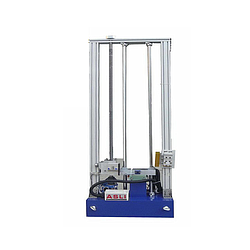
A representative offering in this category is the ASLI Mechanical Shock Tester Calibration Service. This service is relevant for users working with ASLI equipment and looking for calibration support tied to shock testing applications. If your facility standardizes around this brand, it may also be helpful to review the broader ASLI product range for related equipment and support context.
While calibration needs vary by model, setup, and testing practice, selecting a service aligned with the actual equipment manufacturer can help simplify communication, documentation review, and service matching. This is particularly useful when laboratories need to maintain clear equipment histories and organized service records.
How to choose the right calibration service
The most appropriate service depends on how the shock tester is used in your process. Buyers typically consider factors such as test criticality, required documentation, calibration interval, equipment condition, and whether the system is used for routine production checks or more formal validation work. A good starting point is to define what measurements or performance characteristics are most important to your internal test method.
It is also useful to review the instrument’s service history, frequency of use, and whether the system has recently been moved, repaired, or exposed to unusually heavy operation. In many labs, calibration is scheduled alongside other specialized services such as oxygen permeation system calibration when multiple test platforms must be maintained under one quality framework.
When recalibration should be considered
Periodic calibration is common, but fixed intervals are not the only trigger. Recalibration may also be appropriate after maintenance, replacement of critical parts, relocation of the tester, unexpected measurement drift, or questionable test results. If your team notices changes in repeatability or difficulty matching previous shock profiles, calibration should be part of the troubleshooting process.
For organizations working under documented procedures, keeping calibration current supports traceability and reduces the risk of relying on uncertain data. This is particularly important where test outcomes are tied to release decisions, customer reports, or long-term product reliability studies.
Supporting consistent test data over time
Reliable shock testing depends on more than the machine alone. Fixture condition, operating practice, environment, and test method discipline all influence the final result. Even so, calibration remains a core element because it provides a defined reference point for evaluating whether the equipment continues to perform as expected.
Used as part of a broader maintenance and quality plan, calibration service helps laboratories reduce avoidable variation and improve confidence in reported outcomes. For teams managing multiple physical test systems, a structured calibration approach makes it easier to maintain continuity across projects, operators, and reporting periods.
Conclusion
Choosing a mechanical shock tester calibration service is ultimately about protecting the value of your test data. When impact-related measurements influence engineering decisions, product release, or customer requirements, calibration helps keep the underlying equipment dependable and the testing process more defensible.
If your operation relies on shock testing as part of routine validation or quality control, this category provides a focused starting point for identifying the right service option. A clearly matched calibration scope, supported by proper records and service planning, can make a meaningful difference in long-term testing consistency.
Get exclusive volume discounts, bulk pricing updates, and new product alerts delivered directly to your inbox.
By subscribing, you agree to our Terms of Service and Privacy Policy.
Direct access to our certified experts