
Wave Test Equipment Calibration Service
Reliable RF and telecom measurements depend on more than instrument capability alone. Over time, normal use, environmental changes, and component drift can affect accuracy, which is why a professional Wave Test Equipment Calibration Service is an important part of maintaining traceable and repeatable test results.
For laboratories, service teams, and manufacturing environments working with wave and RF-related test instruments, calibration helps confirm that equipment continues to perform within intended tolerances. It also supports better confidence in verification work, maintenance routines, and day-to-day measurement consistency across critical applications.
Why calibration matters for wave test equipment
Wave and RF testing often involve measurements where small deviations can lead to incorrect conclusions about signal behavior, device performance, or system compliance. Regular calibration helps reduce uncertainty by checking instrument response against recognized references and identifying whether adjustment or corrective action is needed.
In practical terms, this means fewer hidden measurement errors, better comparability between instruments, and improved confidence when results are used for troubleshooting, validation, or quality control. For organizations that rely on documented maintenance programs, calibration is also a key part of equipment lifecycle management.
Typical use cases for this service
This category is relevant for companies and technical teams working in telecom, electronics, RF development, broadcast-related environments, and service operations where signal measurement quality needs to be maintained. Calibration is especially useful when instruments are used frequently, moved between locations, or exposed to demanding production and field conditions.
It is also a sensible choice before critical test campaigns, after repair, or when measurement results appear inconsistent with expected values. In many workflows, calibration is not only about compliance documentation but also about protecting the integrity of engineering decisions based on test data.
What to look for when selecting a calibration service
When evaluating a calibration option, it helps to focus on the instrument type, the intended measurement range, and the role that equipment plays in your process. A suitable service should align with the technical function of the instrument and the level of confidence required for your application, whether that is routine verification or more demanding RF measurement work.
It is also useful to consider service continuity across related instruments in the same test chain. For example, teams managing broader RF measurement setups may also need support for a vector network analyzer calibration service or for a power meter calibration program, depending on how signals are generated, measured, and verified across the workflow.
Representative calibration services in this category
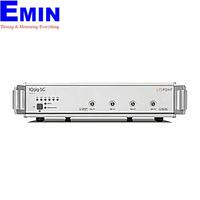
This category includes calibration service options for recognized test equipment brands used in electronic measurement environments. Examples include the GW INSTEK Wave Testing Equipment Calibration Service and the Litepoint Wave Testing Equipment Calibration Service, both of which can help support structured maintenance planning for installed instrument fleets.
For buyers who already standardize around a manufacturer ecosystem, it can be practical to review related brand information such as GW INSTEK instruments or Litepoint solutions. This can make it easier to align calibration activity with the brands already used across test benches, repair stations, or production support environments.
How this category fits into a broader RF calibration workflow
Wave-focused instruments are rarely used in isolation. In many RF and telecom setups, test confidence depends on the performance of multiple devices working together, from signal path verification to level measurement and system analysis. That is why calibration planning is often most effective when viewed as part of a broader instrument management strategy rather than a one-time service event.
Depending on the equipment mix in your facility, related services may be relevant for adjacent measurement tasks. For example, organizations that monitor signal levels directly may also review RF voltmeter calibration services to maintain consistency across supporting instruments used alongside wave test equipment.
Benefits of regular calibration for technical teams
A structured calibration schedule helps reduce downtime caused by unexpected measurement issues and supports smoother troubleshooting when results need to be trusted quickly. It can also improve coordination between engineering, maintenance, and quality teams by providing a clearer basis for instrument status and service planning.
From an operational perspective, regular calibration supports measurement reliability, more stable test processes, and better long-term use of high-value equipment. This is particularly important in B2B environments where instrument performance affects product validation, service quality, or customer-facing technical outcomes.
Choosing the right service approach
The right calibration path depends on how the instrument is used, how critical the measurements are, and whether the equipment is part of a larger RF or telecom test chain. Buyers often review usage frequency, historical drift, and internal quality requirements before deciding how often to schedule service.
If your team manages multiple instrument types, it can be helpful to build a coordinated plan around the equipment that most directly influences decision-making. A well-organized calibration service approach can simplify maintenance planning while helping ensure that wave-related measurements remain dependable over time.
Final considerations
Maintaining confidence in RF and telecom measurements starts with making sure test equipment is checked at the right intervals and by the right type of service. This wave test equipment category is intended to support buyers looking for relevant calibration options for commonly used brands and measurement environments.
Whether you are managing a single instrument or a broader installed base, choosing an appropriate calibration service helps protect result quality, improve traceability, and support more consistent technical work across the full testing process.
Get exclusive volume discounts, bulk pricing updates, and new product alerts delivered directly to your inbox.
By subscribing, you agree to our Terms of Service and Privacy Policy.
Direct access to our certified experts
