Flow Calibrator Inspection Service
Reliable flow measurement depends on more than the process instrument alone. When a calibrator is used to verify or adjust flow-related devices, its own condition needs to be checked regularly to maintain confidence in testing, maintenance, and quality records. A Flow Calibrator Inspection Service helps confirm that the instrument is operating properly, remains suitable for use, and can continue supporting accurate work in production, utilities, laboratories, and field service environments.
This category is intended for users who need inspection support for flow calibration equipment used in maintenance and verification workflows. It is especially relevant where traceability, repeatability, and documented instrument condition matter as part of routine quality control or scheduled service planning.
Why flow calibrator inspection matters
Flow calibrators are often used as reference tools in environments where process stability and measurement accuracy are critical. Over time, normal handling, transport, environmental exposure, and repeated use can affect instrument performance. An inspection service helps identify whether the device remains in acceptable working condition before it impacts downstream checks or maintenance results.
For many technical teams, inspection is not only about fault finding. It also supports preventive maintenance, reduces uncertainty in day-to-day verification tasks, and helps ensure that calibration-related workflows remain consistent across sites and technicians. In practice, this is important for facilities that rely on documented measurement integrity during audits, shutdowns, or routine service intervals.
What is typically covered in this service category
A flow calibrator inspection service generally focuses on the overall health and usability of the instrument. Depending on the device and service scope, this may include checks on operational status, functional condition, physical integrity, and whether the calibrator is ready for continued use in industrial or laboratory settings.
Unlike a simple visual review, a structured inspection is meant to support informed maintenance decisions. It helps users determine whether equipment should return to service, undergo further evaluation, or be scheduled together with related support such as process signal calibrator inspection services when multiple reference instruments are managed under one maintenance plan.
Typical applications and user needs
This service is relevant in industries where flow-related measurements influence process efficiency, product quality, utility monitoring, or system validation. Maintenance contractors, instrumentation engineers, quality departments, and calibration coordinators often need a practical way to review the condition of their reference equipment without relying on assumptions based on age or appearance alone.
Flow calibrator inspection is also useful when instruments are shared across teams or moved between sites. In these cases, a documented inspection can support better control of equipment availability and reduce the risk of using a reference tool that may no longer perform as expected. Where calibration programs cover multiple instrument types, users may also review adjacent service needs such as electrical calibrator inspection to keep service schedules aligned.
Representative brands and service options
This category includes service options related to established manufacturers such as Fluke (Calibration) and BUCK. These brands are commonly associated with calibration and measurement workflows, and service selection is often based on the installed equipment already used within a plant, service bench, or metrology program.
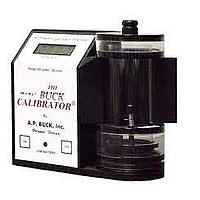
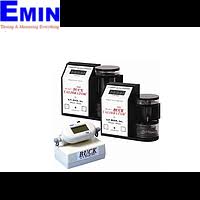
Examples in this category include the FlukeCal Flow Calibrator Inspection Service and the BUCK Flow Calibrator Inspection Service. These listings help users identify service availability by brand and align support with the equipment already deployed in their operation, rather than searching broadly across unrelated instrument types.
How to choose the right inspection service
The most practical starting point is the specific make and model of the flow calibrator in use, followed by the role that instrument plays in your workflow. A calibrator used as a routine field reference may have different service priorities than one used in a controlled bench environment. Service planning should also consider equipment history, usage frequency, storage conditions, and whether the instrument supports regulated or quality-sensitive processes.
It is also useful to think in terms of the broader calibration ecosystem. Many organizations maintain several reference devices at once, including pressure, electrical, and temperature-related equipment. If your maintenance strategy covers complementary tools, related categories such as pressure comparator inspection service can help streamline internal planning across instrument groups.
Supporting service life and measurement confidence
Regular inspection supports more than instrument uptime. It contributes to better decision-making around repair, replacement, and scheduling, especially when calibrators are part of a larger asset management or quality assurance program. A device that appears functional may still benefit from inspection if it has been exposed to transport stress, demanding operating conditions, or long intervals between service events.
For teams responsible for documented measurement performance, this kind of service helps maintain confidence in reference equipment. That can be especially important when calibrators are used to verify other devices, because any uncertainty at the reference level may affect the reliability of the entire maintenance chain.
When to review your flow calibrator for inspection
Users often arrange inspection after extended use, before critical maintenance campaigns, after unusual handling events, or as part of periodic quality procedures. Another common trigger is inconsistency in test results, where the process instrument under test may not be the only possible source of error. Reviewing the calibrator itself can be a sensible step before wider troubleshooting begins.
Inspection is also a practical option when building a more structured service schedule for calibration assets. Instead of treating each instrument separately only when issues appear, many organizations group services by function and review intervals. This approach can improve visibility, reduce disruption, and support a more consistent standard of instrument readiness across teams.
Final considerations
Choosing a suitable flow calibrator inspection service is ultimately about protecting the reliability of the tools used to verify other instruments. Whether you are managing a single branded device or coordinating a broader calibration program, a clear inspection path helps support stable measurement practices and more predictable maintenance outcomes.
Within this category, users can compare relevant service options by brand and align them with existing equipment in the field or lab. That makes it easier to keep critical calibration tools in suitable condition and to plan service activity in a way that supports long-term operational control.
Get exclusive volume discounts, bulk pricing updates, and new product alerts delivered directly to your inbox.
By subscribing, you agree to our Terms of Service and Privacy Policy.
Direct access to our certified experts