Calibrator Inspection Service
Reliable calibration work depends not only on the performance of the instrument itself, but also on the condition of the calibrator used as the reference source. In laboratories, manufacturing plants, utilities, and maintenance environments, regular inspection helps confirm that calibrators remain suitable for electrical, pressure, flow, mechanical, audio, and process verification tasks.
Calibrator Inspection Service supports organizations that need confidence in their reference equipment before it is used in testing, adjustment, or quality assurance workflows. This category covers inspection services for a wide range of calibrator types used across industrial measurement and control applications.

Why calibrator inspection matters in industrial measurement
A calibrator often sits at the center of a verification chain. If its output, stability, operating condition, or functional integrity is uncertain, every downstream check can become less trustworthy. That is why inspection is an important part of maintaining a dependable measurement system, especially in regulated or quality-sensitive environments.
Inspection can help identify signs of wear, handling damage, connector issues, performance drift, or other conditions that may affect serviceability. For companies managing a broader fleet of test assets, this work is closely related to services such as electrical and electronic meter inspection, where measurement consistency across instruments also matters.
Scope of equipment covered in this category
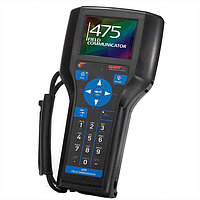
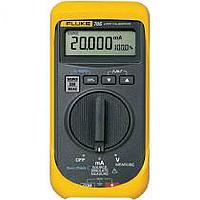
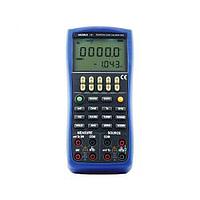
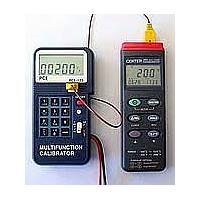
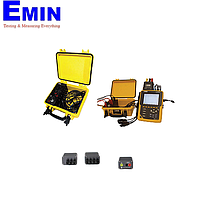
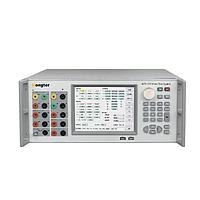
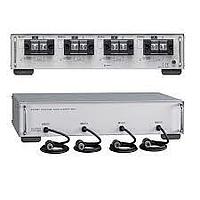
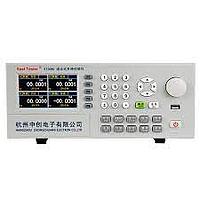
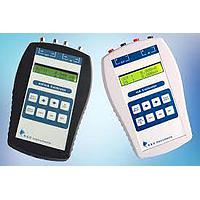
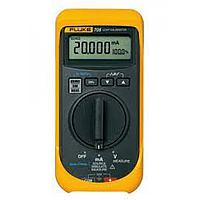
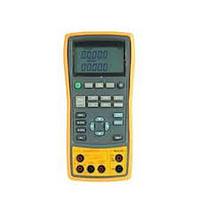
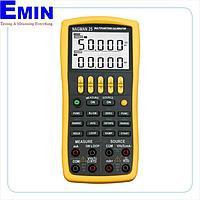
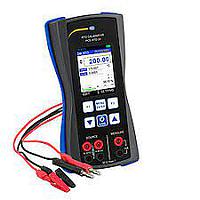
This category is relevant for many common calibrator families used in technical B2B environments. Typical examples include electrical calibrators, process signal calibrators, pressure-related calibrators, oscilloscope calibrators, flow calibrators, audio calibrators, and mechanical calibration equipment. It also extends to specialized reference devices used for resistance, capacitance, inductance, vibration, force, load, and safety-related checks.
Because calibrators are used in very different disciplines, inspection needs can vary significantly. A portable field unit used for loop checks in process maintenance will not be assessed in exactly the same way as a bench-oriented device used in metrology support, pressure generation, or waveform-related verification.
Typical applications and user needs
Inspection services in this category are commonly used by calibration labs, electronics manufacturers, utilities, maintenance contractors, pharmaceutical and food processing plants, and engineering teams responsible for preventive maintenance. In these environments, calibrators are used to simulate, source, compare, or verify known values so technicians can evaluate the performance of another instrument or system.
For example, pressure service teams may need inspection support for pumps, portable pressure calibrators, or precision test gauges. Electronics and R&D teams may focus more on electrical or oscilloscope-related calibration equipment. Facilities working with broader test portfolios may also review adjacent services such as specialty meter inspection when their equipment base includes multiple reference and measurement platforms.
Representative brands and service examples
This category includes inspection service options associated with widely recognized manufacturers in test and measurement. Brands appearing in the available range include FLUKE, Fluke (Calibration), KEYSIGHT, KEITHLEY, Chauvin Arnoux, Mahr, TESTO, and WIKA. The presence of these names is useful for buyers who need service support aligned with instruments already deployed in their facilities.
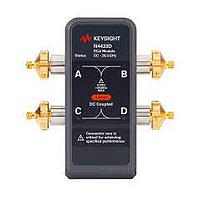
Representative examples in the category include the KEYSIGHT Hipot Tester Calibrator Inspection Service, FlukeCal Electric Cablibrator Inspection Service, Keithley Electric Cablibrator Inspection Service, FLUKE Pressure Calibration Pump Inspection Service, FlukeCal Flow Calibrator Inspection Service, Mahr Mechanical Calibration Equipment Inspection Service, TESTO Sound Calibrator Inspection Service, FLUKE Oscilloscope Calibrator Inspection Service, and WIKA Precision Pressure Test Gauge Inspection Service.
These examples show the breadth of the category rather than a single equipment type. Some services are focused on electrical calibration, others on pressure generation and verification, while others support acoustic or mechanical reference equipment. That makes this category useful for organizations managing mixed instrumentation across production, maintenance, and laboratory functions.
How to choose the right inspection service
When selecting a service, start with the calibrator’s function in your process. The most important question is not just the brand or model, but what physical quantity the device generates or verifies: voltage, current, pressure, flow, sound, mechanical dimension, or another parameter. This determines the most relevant service path and helps avoid delays caused by mismatched scope.
It is also useful to consider where and how the unit is used. Field instruments may face transport stress, environmental exposure, and frequent connection cycles, while laboratory equipment may require closer attention to stability and reference integrity. If your workflow involves dimensional references or related hardware, mechanical measuring instruments inspection service may also be relevant within the same asset management program.
Common equipment groups within calibrator inspection
Within this category, inspection requests often align with a few major groups. One group covers electrical and electronic reference devices, including electrical calibrators, process signal units, oscilloscopic calibration tools, and electrical safety-related equipment. Another group centers on pressure instruments such as calibration pumps, portable pressure calibrators, and precision pressure gauges used for comparison or source generation.
A third group includes flow, audio, vibration, and mechanical calibration tools that support more specialized maintenance or test procedures. There are also services for standard passive references such as resistance, capacitance, and inductance devices. For facilities maintaining a broad instrumentation estate, this category can form part of a larger inspection strategy alongside areas such as gas detector and meter inspection.
What buyers should prepare before requesting service
To streamline the inspection process, it helps to gather the equipment identity, current operating status, and the intended use of the calibrator. If the unit is used as a working standard, transfer standard, field service tool, or production support device, that context can help determine the appropriate handling and inspection approach.
Buyers should also identify whether the concern is routine condition assessment, suspected drift, functional abnormality, or post-use verification after heavy service. Clear documentation of accessories, connection interfaces, and any recent issues can reduce turnaround uncertainty and improve communication between the equipment owner and service provider.
Supporting a more reliable calibration workflow
Inspection is a practical step in protecting the reliability of reference equipment across electrical, pressure, mechanical, acoustic, and process applications. For B2B users, the value is not limited to the calibrator itself; it extends to the quality of every measurement decision that depends on that device.
Whether you manage a small service toolkit or a larger metrology asset base, this category helps you locate inspection support for a broad range of calibrator types and brands. A well-matched service selection makes it easier to maintain confidence in your instruments, reduce uncertainty in routine checks, and support more consistent quality outcomes across the operation.
Get exclusive volume discounts, bulk pricing updates, and new product alerts delivered directly to your inbox.
By subscribing, you agree to our Terms of Service and Privacy Policy.
Direct access to our certified experts