
Oscilloscope Calibrator Inspection Service
Reliable oscilloscope calibration starts with confidence in the calibrator itself. When a calibrator is used to verify waveform accuracy, timing performance, amplitude response, or triggering behavior, its own condition and measurement integrity become critical. A professional Oscilloscope Calibrator Inspection Service helps confirm that this reference equipment remains suitable for test, maintenance, and laboratory workflows.
For service teams, metrology labs, and manufacturers, periodic inspection is not only about finding faults. It also supports more stable measurement results, reduces uncertainty in verification work, and helps maintain trust in the instruments used across production, troubleshooting, and quality control environments.
Why oscilloscope calibrator inspection matters
Oscilloscope calibrators are used in environments where signal accuracy directly affects pass/fail decisions. If the calibrator output drifts, becomes unstable, or develops functional issues, the impact can extend to multiple oscilloscopes and test benches. Inspection helps identify these risks before they affect broader maintenance or calibration programs.
In practice, inspection may be relevant when equipment has been used heavily, transported frequently, stored for a long period, or exposed to demanding industrial conditions. It is also useful when organizations need a clearer view of instrument condition before scheduling deeper calibration, repair, or asset lifecycle planning.
Typical scope of service
An inspection service for this type of equipment generally focuses on the overall operating condition of the calibrator, its basic functional readiness, and whether the unit appears suitable for continued use. This can include checks related to power-up behavior, interface condition, control response, display status, connectors, and signs of wear that may affect normal operation.
For users working across multiple instrument types, this service fits naturally within a broader calibrator support strategy. Depending on the equipment mix in your facility, related services such as electrical calibrator inspection or process signal calibrator inspection may also be relevant when building a consistent maintenance schedule.
When to consider this service
Inspection is often requested when there are early signs that equipment performance may no longer be fully dependable. Examples include unexpected output behavior, inconsistent results during oscilloscope verification, physical damage around terminals or controls, or uncertainty after relocation between sites.
It is also a practical option before assigning a calibrator to critical work. In many B2B environments, inspection helps maintenance managers and quality teams decide whether to continue using the unit as-is, send it for additional service, or plan replacement based on operational risk rather than guesswork.
Suitable applications and users
This category is relevant for organizations that rely on waveform-related test equipment in production support, electronics maintenance, R&D, field service, and calibration laboratories. Wherever oscilloscopes are verified or checked against a known source, the calibrator behind that process needs to remain in dependable condition.
Facilities that manage mixed reference equipment may also benefit from aligning service intervals across categories. For example, teams responsible for broader metrology assets sometimes review oscilloscope calibrators alongside tachometer calibrator inspection or dry block and bath calibrator inspection to simplify asset oversight.
Featured service and brand context
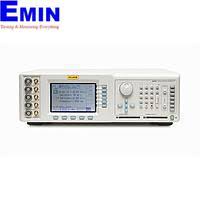
A representative offering in this category is the FLUKE Oscilloscope Calibrator Inspection Service. This service is relevant for users who already operate equipment from FLUKE and want support that aligns with established test and measurement workflows.
When choosing a service, buyers typically look beyond the brand name alone. The more important consideration is whether the inspection approach matches the role of the instrument in the organization: routine bench verification, lab reference support, maintenance troubleshooting, or quality-related instrument control.
What to evaluate before requesting inspection
Before sending a unit for service, it helps to gather a few practical details: the instrument’s current symptoms, usage frequency, storage history, and whether the issue is suspected to be functional, physical, or stability-related. This context can make the inspection process more efficient and helps clarify whether the next step should be continued use, calibration, or repair assessment.
It is also useful to review how the calibrator is used in your process. A unit supporting occasional bench checks may be managed differently from one used as a regular reference instrument in high-dependency environments. Understanding that role makes it easier to prioritize service and minimize disruption.
How this service supports measurement quality
Inspection contributes to a healthier measurement system by reducing uncertainty around the condition of key support equipment. Even before full calibration is considered, a structured check can reveal obvious limitations that might otherwise go unnoticed in day-to-day use. That is especially important when the calibrator is part of a chain used to validate other instruments.
From an asset management perspective, this kind of service supports better planning. Instead of reacting only after test problems appear, organizations can use inspection to maintain visibility into equipment health, improve uptime, and protect the reliability of their broader test and calibration workflow.
Choosing the right service path
The right approach depends on the condition of the unit, the criticality of the application, and how the instrument is used within your maintenance or metrology process. If the goal is to confirm general condition and identify potential issues early, an inspection service is a sensible first step. If deeper performance verification is required, it can also help determine whether further service action is justified.
For companies that depend on accurate verification tools, keeping calibrators in good operating condition is part of maintaining a dependable measurement environment. A well-timed inspection service helps protect instrument confidence, supports better service decisions, and keeps oscilloscope-related testing on a more stable footing.
Get exclusive volume discounts, bulk pricing updates, and new product alerts delivered directly to your inbox.
By subscribing, you agree to our Terms of Service and Privacy Policy.
Direct access to our certified experts
