
Pressure Deadweight Testers Inspection Service
When pressure calibration work depends on stable reference standards, even small mechanical issues can affect confidence in the result. A professional Pressure Deadweight Testers Inspection Service helps verify that this primary pressure generation equipment remains suitable for laboratory, maintenance, and field support tasks where traceability and repeatability matter.
Deadweight testers are widely used because they provide pressure through a fundamental mass-and-area principle rather than relying only on electronic sensing. That also means their condition must be checked carefully over time. Inspection is important not only for accuracy, but also for piston-cylinder performance, mass set condition, pressure generation smoothness, sealing quality, and overall usability in real calibration workflows.
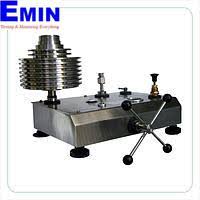
Why pressure deadweight tester inspection matters
In many calibration environments, a deadweight tester is treated as a high-confidence reference for pressure instruments. If the piston-cylinder assembly is contaminated, worn, or affected by improper handling, the generated pressure may no longer reflect expected performance. Regular inspection helps identify these issues before they lead to unreliable calibration results or unnecessary downtime.
This is especially relevant in industries where pressure measurement supports process safety, product quality, or regulatory documentation. An inspection service can help determine whether the instrument is operating smoothly, whether critical mechanical parts show abnormal behavior, and whether the unit remains appropriate for continued use in its intended range and application.
What is typically checked during the service
A deadweight tester inspection usually focuses on the core mechanical and functional elements that influence pressure generation. This may include visual condition, cleanliness, weight set integrity, piston movement, pressure connection points, seals, and the general behavior of the system during operation. The purpose is to assess whether the tester can still support reliable calibration practice.
Because these instruments are precision mechanical devices, inspection is not limited to obvious damage. Technicians also look for signs of friction, unstable rotation, leakage, contamination, or handling-related wear that may not be immediately visible during routine use. In practice, these small issues often have a direct impact on repeatability and ease of operation.
- Condition of the piston-cylinder assembly
- Smoothness and stability during pressure generation
- Integrity of masses, fittings, and pressure ports
- Signs of leakage, contamination, or mechanical wear
- Overall suitability for continued calibration service
Common situations that indicate inspection is needed
Inspection is often scheduled as part of preventive maintenance, but there are also practical signs that suggest a deadweight tester should be checked sooner. If the unit becomes harder to operate, takes longer to stabilize, shows inconsistent performance between sessions, or has been moved frequently between sites, an inspection can help confirm its condition.
It is also a sensible step after long storage periods, exposure to contaminated media, or use in demanding industrial environments. When calibration teams rely on the same reference equipment for multiple jobs, verifying the mechanical condition of the deadweight tester can reduce uncertainty and help avoid problems further down the measurement chain.
How this service supports broader calibration quality
Pressure reference equipment does not work in isolation. The quality of a calibration process depends on the condition of the reference source as well as the device under test, operating method, and environmental handling. A well-timed inspection supports measurement reliability by helping users maintain confidence in the foundation of their pressure calibration setup.
For organizations that also maintain other calibration assets, it can be useful to review related service categories. For example, teams working across multiple disciplines may also need pressure comparator inspection or support for process signal calibrator inspection as part of a broader maintenance and quality program.
Suitable users and application environments
This category is relevant for calibration laboratories, industrial maintenance departments, quality assurance teams, utilities, process plants, and service providers that use pressure standards in routine or specialized work. Any operation that depends on dependable pressure generation for checking gauges, transmitters, switches, or reference devices can benefit from structured inspection of its deadweight tester.
In B2B settings, the value of inspection is not only technical. It also supports asset planning, maintenance scheduling, and documentation control. When equipment condition is known and reviewed systematically, teams can make better decisions about continued use, servicing, or replacement within a controlled calibration program.
Related inspection services in the same workflow
Pressure calibration often connects with other test and verification tasks. Some organizations maintain multiple calibrator types, especially when their work spans process instrumentation, electrical maintenance, or rotational measurement. In those cases, related services such as electrical calibrator inspection or dry block and bath calibrator inspection may be relevant alongside pressure equipment checks.
Looking at inspection needs across the full calibration ecosystem can help standardize maintenance practices and reduce disruptions. It also makes it easier to align service intervals with how equipment is actually used in the field or in the lab.
Choosing the right inspection scope
The right service scope depends on how the deadweight tester is used, how frequently it is handled, and how critical it is within the calibration chain. Equipment used as a primary or high-confidence reference generally deserves more disciplined review than equipment used only occasionally. Usage history, storage conditions, transported applications, and media compatibility should all be considered when planning inspection intervals.
It is also important to distinguish between inspection, calibration, and repair. Inspection service is intended to assess the condition and functional state of the equipment. Where necessary, inspection findings can help determine whether further calibration work, maintenance action, or corrective service should be scheduled next.
Maintain confidence in pressure reference equipment
A pressure deadweight tester is only as useful as its actual operating condition in day-to-day work. Routine inspection helps reveal wear, contamination, and functional issues before they compromise calibration quality or slow down critical testing activity.
For organizations that depend on stable pressure standards, this service provides a practical way to support consistent calibration performance, improve equipment oversight, and keep essential reference tools aligned with real operational demands.
Get exclusive volume discounts, bulk pricing updates, and new product alerts delivered directly to your inbox.
By subscribing, you agree to our Terms of Service and Privacy Policy.
Direct access to our certified experts