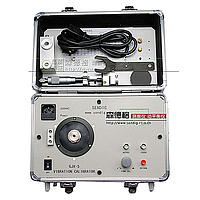
Vibration Calibrator Inspection Service
Accurate vibration measurement depends on more than the sensor alone. When a vibration calibrator is used to verify accelerometers, vibration meters, or monitoring systems, its own performance needs to be checked regularly so that reference values remain reliable in maintenance, quality control, and laboratory work.
Vibration Calibrator Inspection Service helps confirm that a calibrator is operating as expected, supports traceability in inspection workflows, and reduces the risk of measurement drift affecting downstream decisions. This is especially important in industrial environments where vibration data is used to assess machine condition, detect imbalance, or support predictive maintenance programs.
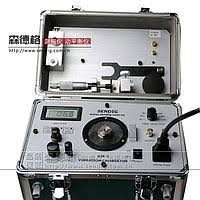
Why vibration calibrator inspection matters
A vibration calibrator is often treated as a reference device within a broader test and measurement process. If its output is not verified on a scheduled basis, errors can propagate into field instruments, handheld testers, or sensor validation routines. Over time, this can affect maintenance planning, equipment diagnostics, and acceptance testing.
Regular inspection helps users maintain confidence in measurement integrity. It also supports organizations that need documented checks for internal quality systems, service records, or audit preparation. In practice, inspection is not only about compliance; it is also about keeping vibration-based decisions technically defensible.
Typical use cases across industrial and technical environments
This service is relevant wherever vibration measurement devices are used as part of maintenance or product verification. Common examples include rotating machinery monitoring, motor and pump maintenance, fan and gearbox inspection, and general condition monitoring programs in production plants.
Engineering teams, service providers, laboratories, and maintenance departments may all require periodic inspection of their calibrators. Where multiple calibration tools are used together, it is also common to review related services such as tachometer calibrator inspection or process signal calibrator inspection to maintain consistency across the wider instrument chain.
What is typically checked during inspection
The exact inspection scope can vary depending on the calibrator design and application, but the purpose is consistent: verify that the device can still provide stable and dependable reference vibration output. This may include assessment of operating condition, output behavior, functional response, and general suitability for continued use in verification tasks.
For technical users, the main concern is whether the calibrator remains fit for its role in checking sensors and vibration instruments. A proper inspection process helps identify signs of wear, drift, or performance deviation before they affect routine measurement work. That makes periodic verification a practical part of instrument lifecycle management rather than an administrative formality.
Supported brands and example services
This category covers inspection services for commonly used vibration calibrator brands, including PCE, ACO, MMF, and Agate. These brands are often found in maintenance teams, inspection departments, and technical service organizations that rely on portable reference devices for day-to-day field validation.
Representative service listings in this category include ACO Vibration Calibrator Inspection Service, MMF Vibration Calibrator Inspection Service, Agate Vibration Calibrator Inspection Service, and PCE Vibration Calibrator Inspection Service. Rather than treating all devices the same, users should match the service to the actual manufacturer and equipment type so that the inspection process remains relevant to the instrument in use.
How to choose the right service for your calibrator
The most important starting point is the manufacturer and model family of the device being checked. Even when two vibration calibrators serve a similar purpose, their design, operating method, and service requirements may differ. Selecting the correct inspection service helps avoid delays and ensures that the evaluation aligns with the equipment’s intended application.
It is also useful to consider how the calibrator fits into your broader maintenance or calibration workflow. Some facilities manage several reference devices at the same time, such as vibration, electrical, and temperature-related calibrators. In that case, reviewing services like electrical calibrator inspection or dry block and bath calibrator inspection can help standardize service planning across departments.
When inspection should be considered
Inspection intervals depend on usage intensity, handling conditions, and internal quality requirements. Devices used frequently in field service, exposed to transport, or relied upon as working references may need closer attention than units used only occasionally. Any sign of unstable behavior, questionable output, or inconsistent results in downstream instruments is also a reason to review the calibrator.
Many organizations schedule inspection as part of preventive instrument management. This approach supports traceable maintenance practices and reduces the chance of discovering a problem only after questionable measurement data has already been used in service reports or equipment assessments.
Supporting reliable vibration measurement over time
In vibration work, confidence in the reference device is essential. A well-managed inspection program helps preserve the usefulness of the calibrator as a practical tool for checking sensors, meters, and portable analyzers in real operating environments.
If your team depends on vibration measurement for machine health or technical verification, choosing the right inspection service is a sensible step toward more dependable results. This category is intended to help users identify suitable service options for vibration calibrators from established brands and integrate them into a consistent instrument quality process.
Get exclusive volume discounts, bulk pricing updates, and new product alerts delivered directly to your inbox.
By subscribing, you agree to our Terms of Service and Privacy Policy.
Direct access to our certified experts