Dehumidifiers, humidifiers, Moisture Meter Inspection Service
Reliable humidity and moisture readings are critical in storage, production, construction, agriculture, and environmental control. When dehumidifiers, humidifiers, and moisture meters drift out of tolerance, the result can be material damage, unstable process conditions, or measurement data that no longer supports confident decisions. This category brings together inspection services for equipment used to control or verify moisture-related conditions across a wide range of industrial and technical applications.
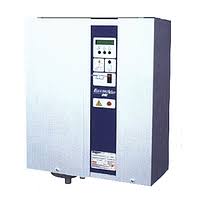
From field moisture meters to facility humidity-control devices, proper inspection helps confirm that instruments remain suitable for routine use. It is especially important where moisture content affects product quality, storage stability, drying performance, or compliance with internal quality procedures.
Why inspection matters for humidity and moisture-related equipment
Moisture measurement and humidity control are closely tied to product integrity. In wood, paper, textiles, soil, or agricultural materials, even a small deviation in readings can influence acceptance decisions, drying cycles, storage conditions, or maintenance planning. For humidifiers and dehumidifiers, incorrect operation may affect room conditions, preservation environments, and process consistency.
An inspection service typically supports users who want to verify equipment condition, functional performance, and overall measurement reliability. This is relevant for maintenance teams, laboratories, production plants, warehouses, construction professionals, and agricultural operations that depend on repeatable moisture-related data.
Equipment covered in this category
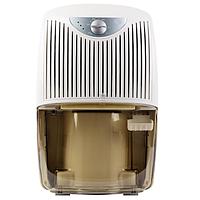
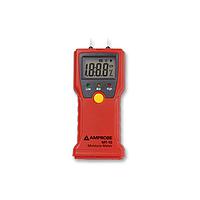
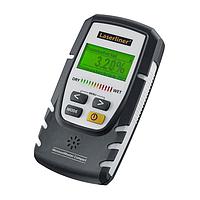
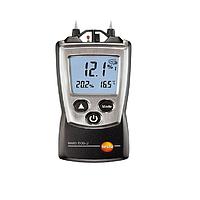
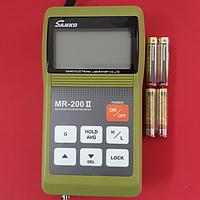
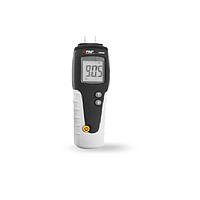
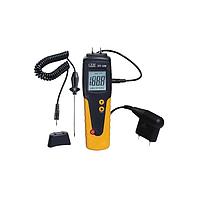
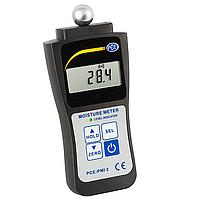
This category is centered on inspection services for dehumidifiers, humidifiers, and different types of moisture meters. The scope includes instruments used in agriculture, soil assessment, construction, wood processing, textile handling, paper applications, and multifunction measurement tasks. Rather than treating all devices the same way, inspection should reflect the intended use of each instrument and the type of material or environment being checked.
Typical examples in this category include the DELMHORST textile moisture meter inspection service, paper moisture meter inspection service, and multifunction moisture meter inspection service. It also includes services associated with soil and construction-related devices from brands such as EXTECH, FLIR, ELCOMETER, TESTO, and Chauvin Arnoux.
Typical applications across industry
In construction and building maintenance, moisture meters are commonly used to assess wood, concrete-adjacent materials, and building envelopes before finishing or repair work. Inspection helps ensure these readings remain dependable when identifying excess moisture, tracing water intrusion, or monitoring drying progress.
In agriculture and materials handling, accurate moisture content data can influence storage, processing, and quality control. Services such as the DICKEY john Moisture Meter for Agriculture Inspection Service or the EXTECH Soil Moisture Meter Inspection Service are relevant where operators need confidence in measurements that affect harvest evaluation, soil checks, or raw material handling.
Textile and paper workflows also benefit from routine verification. Moisture levels can affect material behavior, storage condition, and downstream production steps, so dedicated services such as the DELMHORST Textile Moisture Meter Inspection Service and DELMHORST Paper Moisture Meter Inspection Service fit well in environments that rely on stable material condition and repeatable checks.
How to choose the right inspection service
The most practical starting point is the equipment type. Humidifiers and dehumidifiers are generally evaluated from an operational and condition-based perspective, while moisture meters require inspection approaches aligned with their sensing method, application range, and intended material. A soil meter, for example, should not be treated exactly like a wood or textile instrument.
It is also useful to consider the usage environment. Portable field instruments may be exposed to impact, contamination, or frequent transport, while fixed environmental-control devices may be affected by continuous operation, filter condition, or installation context. If your workflow depends on related instruments as well, you may also want to review our specialty meters inspection services for broader support planning.
Representative brands and service examples
This category includes inspection services associated with widely used brands in industrial measurement and testing. Among the leading names are FLIR, FLUKE, TESTO, Chauvin Arnoux, DELMHORST, EXTECH, ELCOMETER, and DICKEY john. Brand-specific service references help users quickly identify relevant support for the instruments already deployed in their operations.
Examples shown in this category include the FLIR Soil Moisture Meter Inspection Service, TESTO Multifunction Moisture Meter Inspection Service, FLUKE Multifunction Moisture Meter Inspection Service, ELCOMETER Wood and Construction Moisture Meter Inspection Service, and Chauvin Arnoux Wood and Construction Moisture Meter Inspection Service. These examples illustrate the range of applications covered, from environmental and field use to material inspection in industrial settings.
When inspection should be considered
Many organizations schedule inspection at regular intervals as part of preventive maintenance or internal quality systems. It may also be appropriate after intensive field use, exposure to harsh environments, abnormal readings, suspected physical shock, or before critical measurement work where data quality matters more than routine screening.
For humidifiers and dehumidifiers, inspection can be especially relevant when room conditions appear unstable or when performance no longer matches expected operating behavior. For handheld meters, inconsistent results between operators, locations, or reference samples are often a practical sign that the instrument should be checked.
Related inspection categories for broader maintenance planning
Moisture-related equipment is often part of a wider measurement ecosystem. Facilities that use these devices may also operate electrical testers, gas detection instruments, or mechanical measuring tools as part of maintenance, safety, and quality workflows. Where that is the case, it can be useful to align service intervals across equipment groups instead of treating each device family separately.
Depending on your application, you may also explore electrical and electronic meter inspection service options or gas detector and meter inspection service pages to support a more complete instrument maintenance program.
Supporting reliable operation over time
Dehumidifiers, humidifiers, and moisture meters are often used in places where measurement confidence and environmental stability directly affect product quality, storage outcomes, or technical decisions. Choosing an inspection service suited to the actual device and application helps reduce uncertainty and supports more consistent day-to-day operation.
Whether you are managing portable moisture meters for field use or environmental-control equipment in a controlled area, this category is designed to help you identify the most appropriate service path. Reviewing the equipment type, application context, and brand-specific examples listed here is a practical way to narrow down the right inspection option for your process.
Get exclusive volume discounts, bulk pricing updates, and new product alerts delivered directly to your inbox.
By subscribing, you agree to our Terms of Service and Privacy Policy.
Direct access to our certified experts